 Writer Winona Lake wrote, “Food for us comes from our relatives, whether they have wings or fins or roots. That is how we consider food. Food has a culture. It has a history. It has a story. It has relationships.”
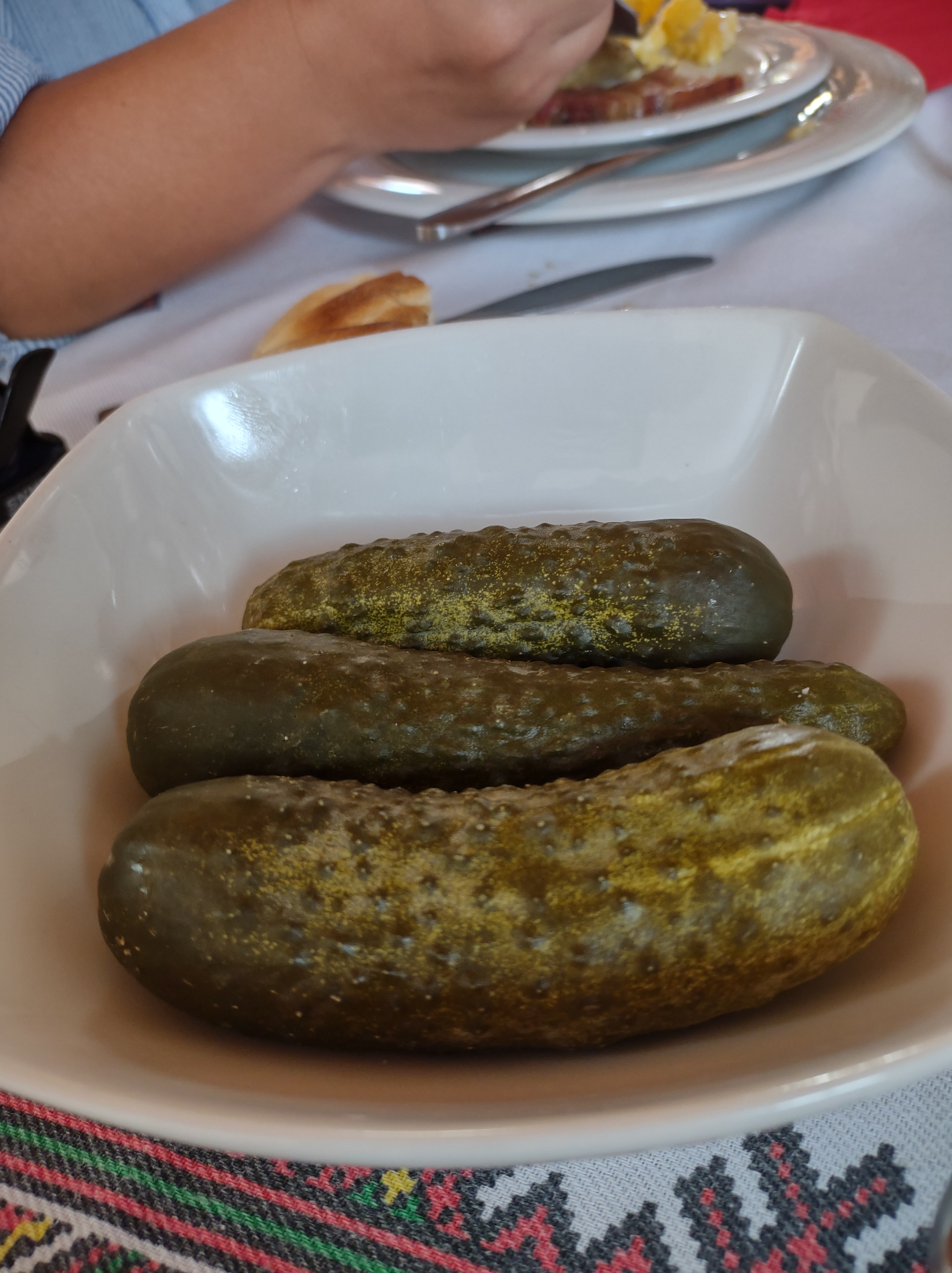
I discovered this first- hand on the Overseas Adventure Travel trip Eastern Balkan Discovery: Bulgaria and Romania, I had the most pleasant surprise when I walked right into my heritage in the form of food. My paternal Ukrainian grandmother used to proudly show us pickles she was making when we used to visit her during my childhood. I saw pickles, pickles everywhere on this trip, and greatly appreciated their presence considering also that my great grandmother was also born in Romania.
The part of Northern Romania which was annexed from Moldova and shares a border with both Moldova and Ukraine is where my heritage starts. It was also where the post trip began and out of the six on the post trip, four of us were Jewish. As we encountered unexpectedly food we were familiar with, we were explaining to our trip leader things she never knew about how her culture has influenced ours.
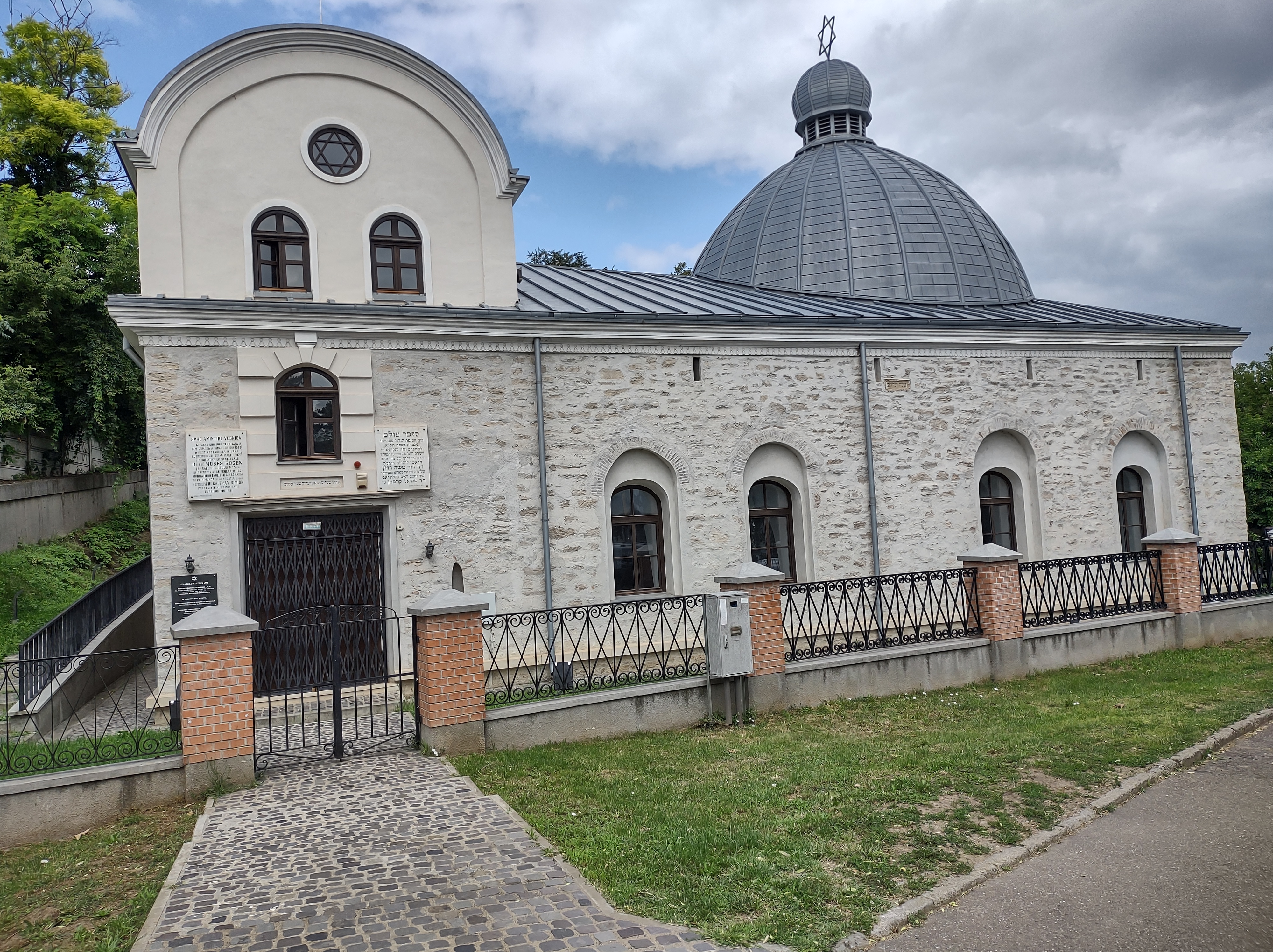 After departing Bucharest we flew into Iasi, the cultural capitol of Romania, and a city that at one time had 124 synagogues, four of which are active now. One third of the population was Jewish before the Holocaust. Yiddish theater was born there, and the song HaTikva, which is now the Israeli national anthem, was written there. When we sat down to eat lunch after our walking tour, one of the first items to arrive on the table was pickles. I started seeing pickled everything much to my delight on the pre- trip in Serbia, and this food theme continued all throughout the trip. After the pickles and other starters left the table, knishes arrived of all things, which I haven’t seen since the last Bar or Bat Mitzvah I’d attended. I said I wouldn’t be surprised to see blintzes next (we had to tell our trip leader what they were), and that sparked a debate between blintzes and crepes, and how each was made. We finished our day, saw the beautiful local synagogue and Orthodox church, then drove further into the country.
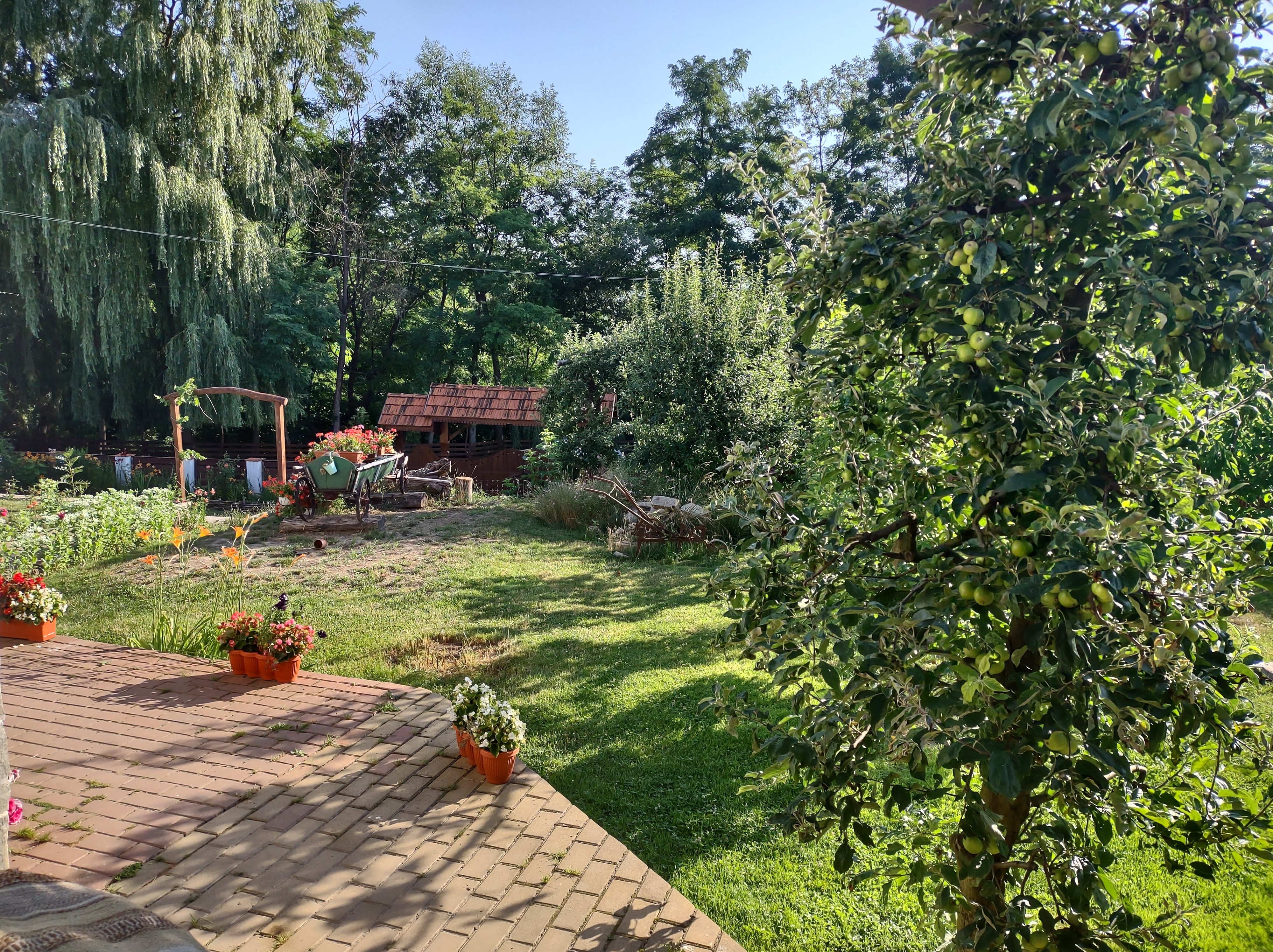 We drove after lunch to the rural forested area of Dolhetsi. A cow and sheep were near our guest house. We met at another house for dinner, and that’s when my heritage once again showed up in the form of foods Americans consider to be Jewish. First came a beautiful, large, braided egg bread known as challah, and the Romanians call it a similar name. We shared the bread of course, but we explained that in the Jewish tradition you take a big piece of the bread and share it with someone sitting next to you by having them pull a piece of your bread. That’s exactly what we proceeded to do, breaking bread with fellow travelers. Then came chicken soup so fantastic I’d never known anything like that was possible. Chicken soup on the entire trip was different one from another, but all different recipes we experienced were noting like what we have at home. We laughed about how Jewish the whole meal was, but a few mouths dropped open from the OAT travelers when they brought out dessert blintzes! Actually, they were made of crepes and had sour cherry jam inside, a specialty of Romania. I laughed and said ok, I rest my case from the lunch discussion… there are obviously variations on a theme going on, but these are clearly desert blintzes, shape and all. Our hostess left the sour cream out at my request, and said yes, they are also known to cover them with powdered sugar, but I was happy just to experience this extraordinary cultural connection. Through food down through the ages, we have all become one.
I came to the Eastern Balkans because I knew that’s where I am from. Now I know why my father always ate sour cream with his meals, why my mother cooked stuffed cabbage and stuffed bell peppers. But the discovery that so much of what I grew up eating is actually part of the region was a real find.
Poet Maya Angelou expressed what we literally experienced in Romania, in a home that recently had housed Ukrainian refugees. She wrote, “ Eating is so intimate. It’s very sensual. When you invite someone to sit at your table and you want to cook for them, you’re inviting a person into your life.” Our hostess in Dolhetsi shared her home and her life style with us, and that of course was steeped in the traditions of their food. It could not have been more personal.
 Travel the World with Passion