“The presence of a single bird can change everything for one who appreciates them.”- Julie Zickefoose
I was never much into birding. I didn’t understand why people on trips had bird books and ticked off which birds they saw as they traveled around the world. When I travel with groups, I use the services of Overseas Adventure Travel to sights that I cannot affordably or easily see on my own. Much to my surprise, this turned out to be the case with birding.
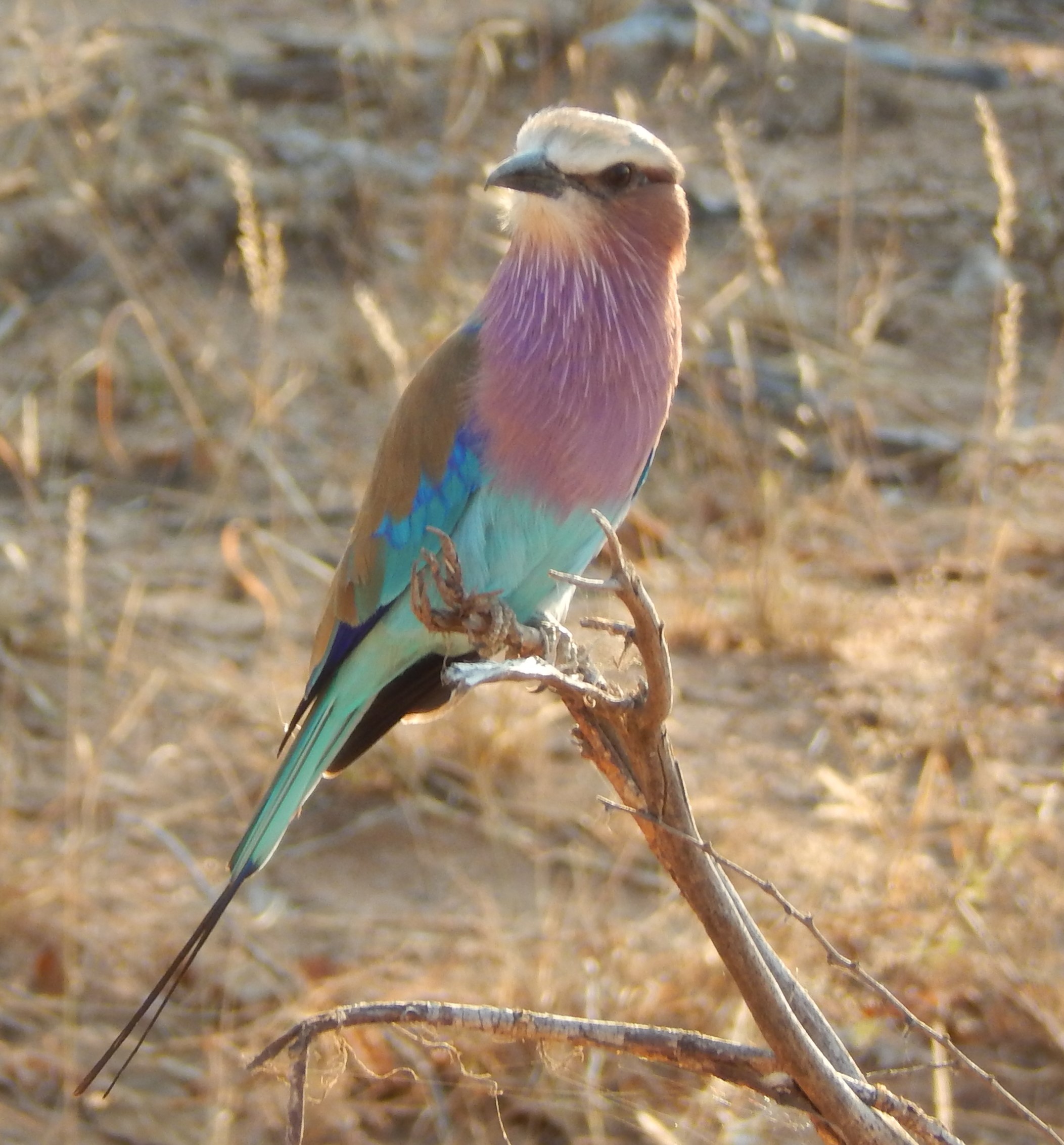 I became enchanted with birds on my two trips to Africa with OAT, one to South Africa and Swaziland and one to East Africa to explore Tanzania and Kenya. In both cases, the Lilac Breaster Roller and the Resplendent Blue Starling were standouts, among others. When I decided to return to Costa Rica on an OAT adventure, I knew that more birds awaited me, and by this time I was eager and ready to experience nature in one of its finest birding hours.
I selected the Costa Rica Natural Parks trip which has since been renamed to Costa Rica: Wildlife and Tropical Landscapes. The itinerary is the same, as is the hunt for the bird they are proudest of, the Resplendent Quetzal which is common in multiple parts of Central America and Mexico and is the name of the Guatemalan currency. These birds were once used for barter or exchange, so Guatemala adopted the name for their money. All these countries have adopted it out of pride for their immense beauty.
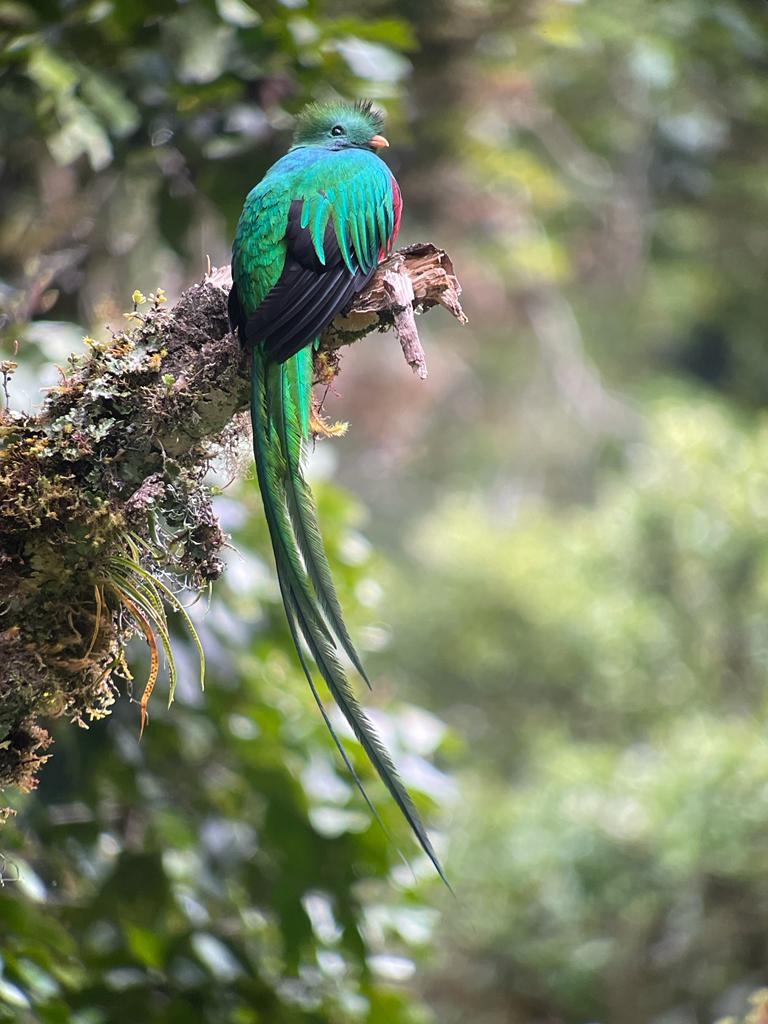 Although research indicates there are plentiful to find midday, we had to leave in the early hours to find them. They can be found in fruit or avocado trees where we were, even though they are omnivores. Our guide had a scope for viewing and excellent tracking abilities as well, so as soon as we arrived at a group of avocado trees where we met with other birders, he found the indigenous bird quickly. We saw both a male and a female through the lens of his scope, and with the naked eye we could see them flying to other tress to eat their avocadoes. Not everyone who tries to see them succeeds. We saw only the wing of one Resplendent Quetzal while hiking in the Monte Verde Cloud Forest.
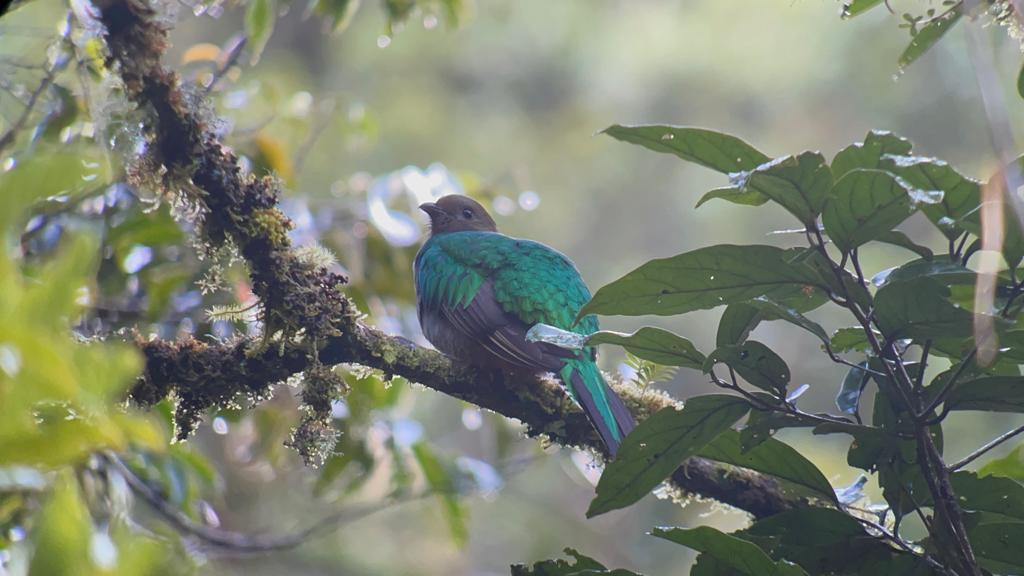 Resplendent Quetzals are part of the family of Trogonid and have two subspecies. These birds are so fantastically colorful, I compared them to the African Lilac Breasted Roller, calling them the Central American counterpart. And indeed, their beauty in the region is notable and perhaps unmatched, although many other beautiful creatures abound. The quetzal is a threatened species, so seeing them was a treat. It is possible that because of rainforest deforestation, the numbers of birds and other creatures are on the decline. Another one we saw that is rare is the great green McCaw.
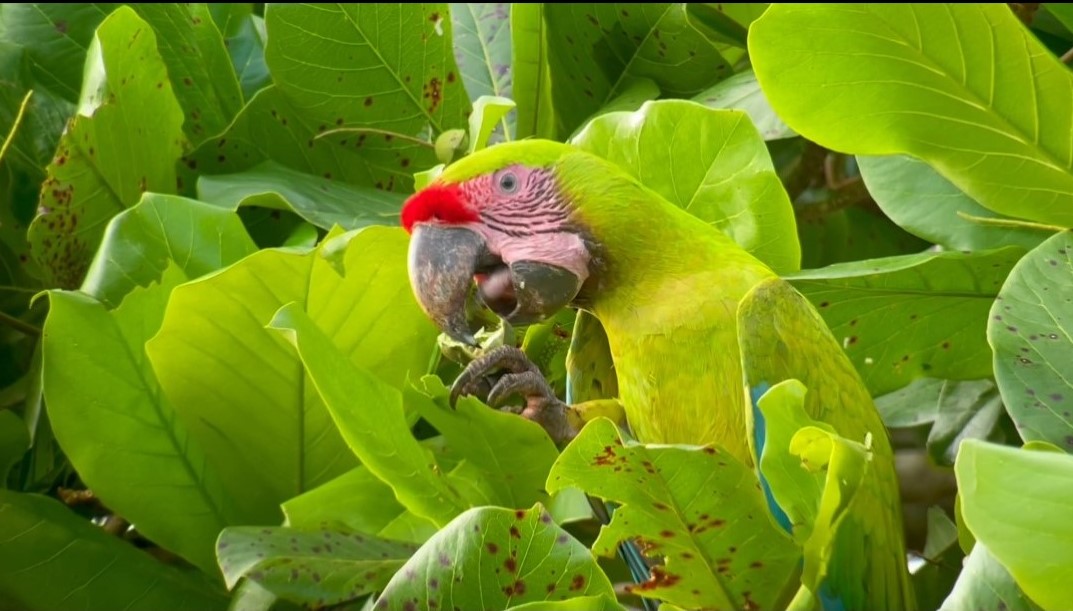 While we searched specifically for the Resplendent Quetzal, our guide saw the green McCraw by accident. That bird was well- hidden in the trees. What he saw through his telephoto scope was truly a wonder, and a type of bird I never knew existed. It is part of the nominate subspecies of the bird which lives in the western part of Costa Rica. In short, however, the great green McCaw is part of the family of birds known as large parrots. These birds are typically seen in pairs or small groups, but our guide only located the one. They eat many types of foods, but in Costa Rica, they are primarily known for eating fruits and nuts.
We travel to learn about and have new adventures and explore different cultures. For me, getting interested in birding was a complete surprise, but it has enhanced my visits to many countries. This new interest truly has changed my travel. I purchased a new camera to specifically capture wildlife, and now look into getting birding books for countries where they will be found in abundance. I also make a point to learn about them while traveling or after I return. For me, travel does not get any better than opening new vistas of knowledge.
 Travel the World with Passion