“Don’t go to a museum with a destination. Museums are wormholes to other worlds. They are ecstasy machines. Follow your eyes wherever they lead you…and the world should begin to change for you.”
– Jerry Saltz
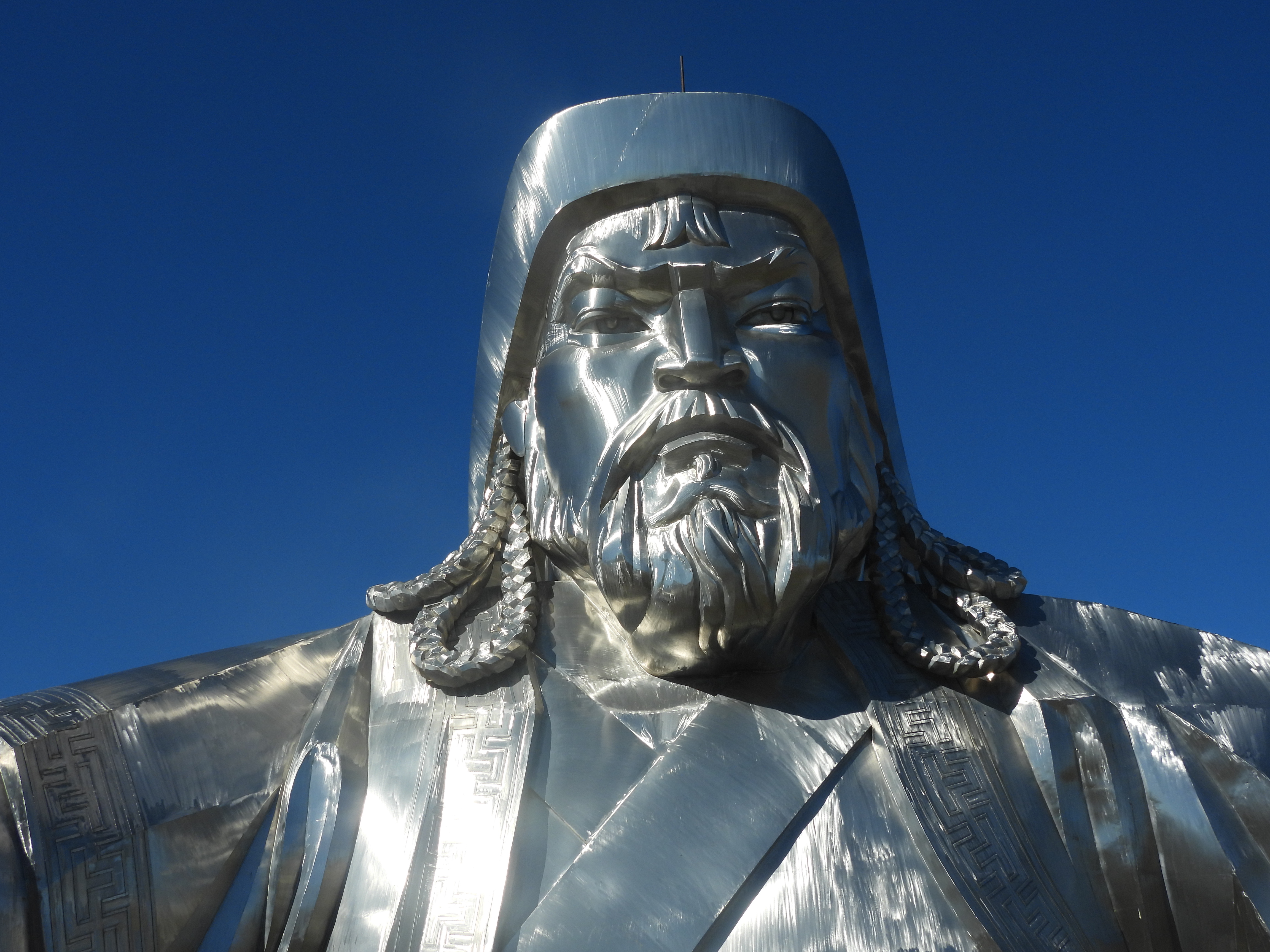 When I visited Mongolia with Overseas Adventure Travel on their trip Mongolia and the Gobi Desert, one pleasantly surprising aspect of the capital city of Ulaanbaatar was how many museums there were. There were so many, I got burned out on them, but pleasantly so. The whole city was a surprise, in some places paying homage to art and music, and surprisingly, the Beatles. Even on the drive from the airport, we saw statues we had to inquire about. They represented the three “manly sports” and the one we saw was of archers. The three sports are horse racing, Mongolian wresting, and archery. Statues of the other two were nearby.
 I am a firm believer on any trip, that an art museum or gallery will show you what you will experience on your trip if you see it at the start, or it will summarize your experience through art if you see it at the end. The Mongolian National Art Gallery, right across form our hotel and in the Cultural Palace, didn’t disappoint and showcased various artists, changing the exhibit a few weeks later, which others experienced at the end of our trip, The exhibit I saw definitely showed Mongolians living in Gers, riding horses, milking and herding yaks, and every other aspect of their culture and traditional living style as I experienced in my two weeks there.
There is also the National Museum of Mongolia, which has very little art, but it focused on the culture of the Mongolian people, including an exhibit on the history of tea between China, Mongolia, and extending into Russia. There were artifacts as part of the permanent collection showing various aspects of Mongolian life over the years including a space suit that was worn when one of their astronauts went into space with the Russians. Who knew there were Mongolian astronauts? It is considered a leading museum in Mongolia, and is much larger than it appears at first, so give yourself plenty of time to walk around all the rooms.
The Zanabazar Art Museum is a gem, especially if you are interested in Tibetan Buddhist art, the dominant religion in Mongolia (51 per cent). You will see the Tibetan Buddhist Thangka paintings, ornamental masks, and colorful outfits, and even a display which the Dali Lama himself said will send good karma just by looking at it. The building itself is historic and was once part of the original State Department Store set of buildings. A display downstairs shows the history of the building and displays folk art and artifacts which you may have encountered during your trine in Mongolia. It is definitely worth a visit.
The Natural History Museum in Ulaanbaatar is one of many you are likely to encounter in the country and has a fine display of dinosaur relics as well as dinosaur eggs. We also visited a small one in the middle of the Gobi Desert, and the amazing Paleontology Institute back in Ulaanbaatar with its lab or ongoing palenology findings, as well as the remains of two dinosaurs who died in battle with each other.
The Paleontology Institute is still actively digging for remains of dinosaurs from the Gobi Desert and the Flaming Cliffs area. They really have not stopped since they first found those dinosaur eggs in the 1920s. Sometimes they are tipped off as to locations by locals, especially after a big storm where fossils rise to the surface of the desert. I am not typically much into natural history, but this really was phenomenal, especially after having been to the Flaming Cliffs where the eggs were first found. One of the remains we saw was brought in 2 months ago and is 90,000 years old. We were able to see works in progress.
The Genghis Kahan Museum is a must see, especially with a trained guide who can talk you through the history of Mongolia as you experience in the museum. We learned so much thanks to our trip leader’s vast knowledge of history and even his archeology digs in Mongolia. Mongolia came into being due to so many other cultures down thru history. Turkey and even Hungary played a part, as well as the ancient Bohemians. Central Asia as we know it today was overtaken by many forces, and ultimately when it came to Mongolia, both the Russians and the Chinese took the spoils, left a barren and cold land greatly reduced in size which became current day Mongolia, and today Mongolia depends heavily on both Russia and China. They cannot even produce their own wind turbines for electricity because Russia will raise oil prices on them. This museum not only shows maps of the country during its various stages of existence, but all the many historical artifacts as well. Kahan means King. There really was a real place called Xanadu, which ultimately moved from Mongolia to China, when Kublai Kahan was in power in the 1200s.
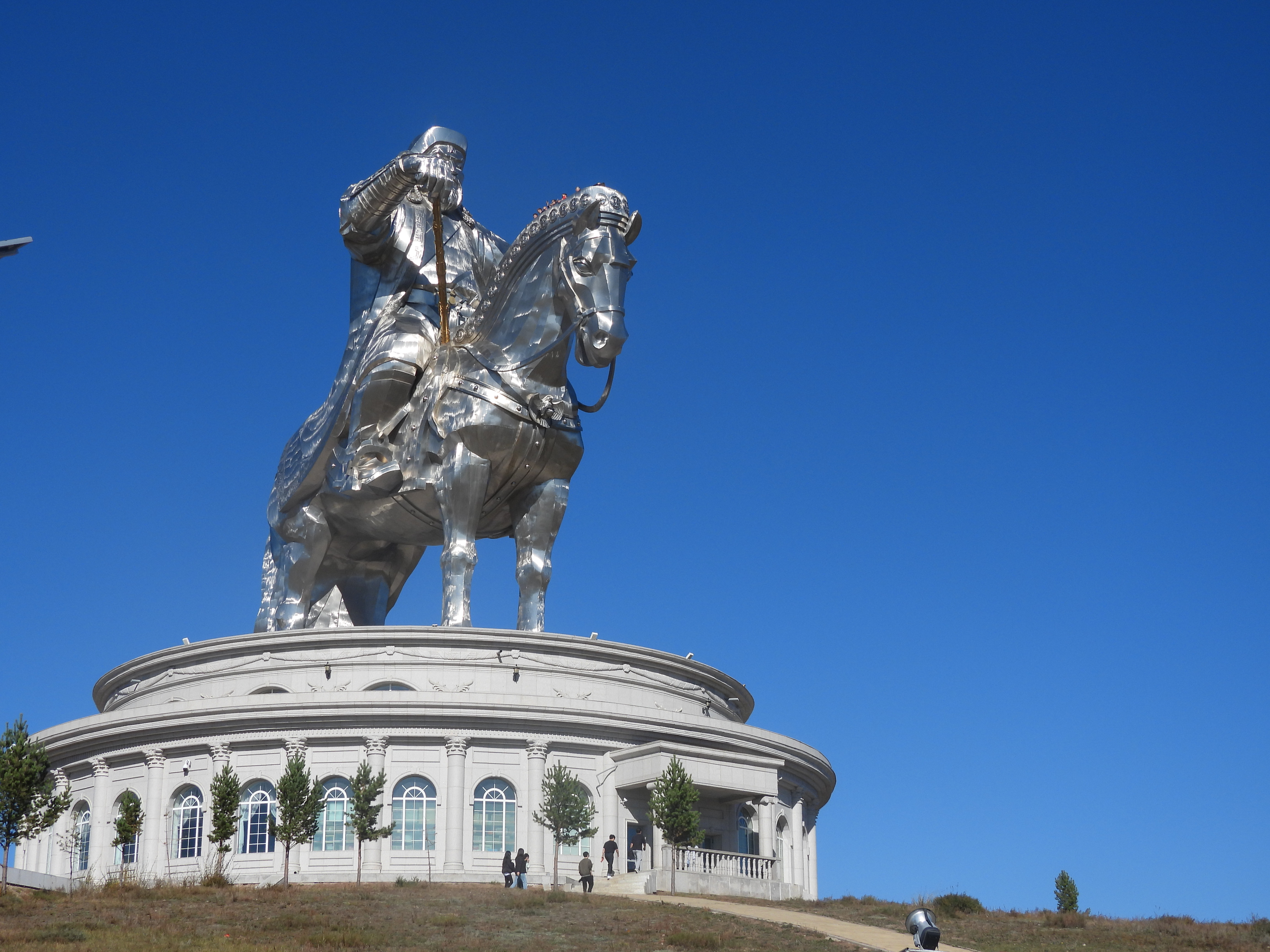 And to finish off the Genghis Khan experience, is the Genghis Kahan Museum further afield, with the largest equestrian statue in the world and a pair of Mongolian boots large enough ot fit it. It is thirty-three miles outside of Ulaanbaatar, but no visit to Mongolia is complete without having been to both Genghis Kahan museums.
If you are an adventure traveler looking for a destination that is not filed with too many tourists but rapt with fascinating sights and history, Overseas Adventure Travel check out their excellent Mongolia trip. You will not be disappointed!
All photos by Jann Segal
 Travel the World with Passion