 Mongolia is a country that will challenge a traveler on every level. Creature comforts, the unforgiving weather, the culture, and even the history and the local food will not be like anything a traveler has thus far experienced outside of Central Asia. But oh, how mighty and rich are the experiences when you leave your comfort zone! My trip Mongolia and the Gobi Desert with Overseas Adventure Travel was truly a world class adventure. And surprisingly enough, some of the culture was both introduced to me and subsequently reinforced by playing a tabletop game called Ankle Bones.
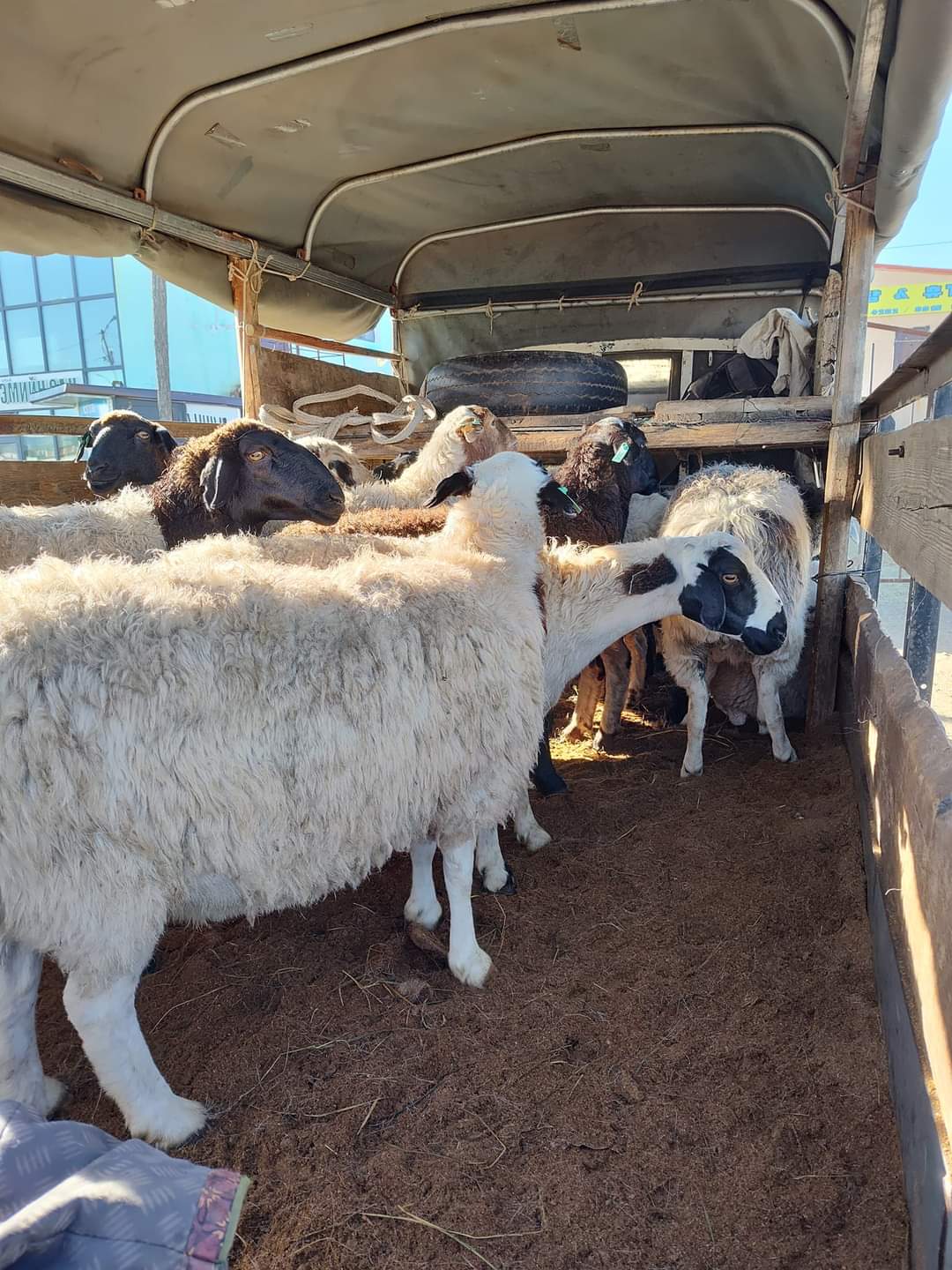 The game derives its name from the ankle bones of sheep or goats that are used as it’s playing pieces. After one of those animals goes to slaughter, two ankle bones are taken from each animal and used for this game, which is wildly popular around Mongolia. Children learn to play it and become competitive at an early age, and it isn’t hard to understand how families living in the gers could use it as entertainment during the unforgiving winters when they have to stay inside. During one rainy day in the Gobi Desert, when all our activities had to be inside, my friend and I decided to play Ankle Bones (which we had been taught while stating at another ger camp) while others watched a movie.
There are four pieces in one of the games, and depending on where they fall after the player throws them, the value of the piece is either a horse, a camel, a sheep, or a goat. These are, of course, all animals indigenous to Mongolia, which the nomadic people breed for purposes of eating, milking , and selling.
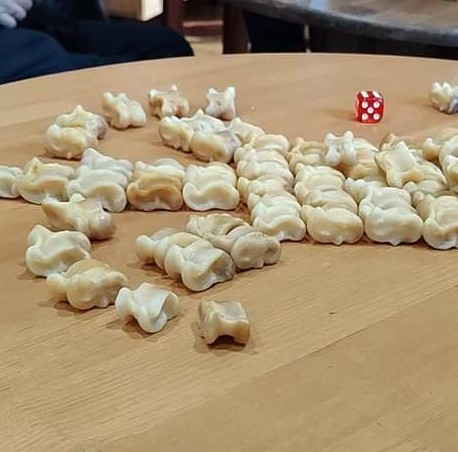 The ankle bones game is called shagai in Mongolian. It is enthusiastically played during the annual Naadam festival, and it not only has a wide variety of different games that have been developed over the years, it’s also used for fortune telling. The fortune is determined by how many of the four pieces fall in which of the four directions. There is a souvenir for purchase all over the country which sell the ankle bones insides a a small ger as well as a sheet depicting the fortunes to be told based on the value of the ankle bones.
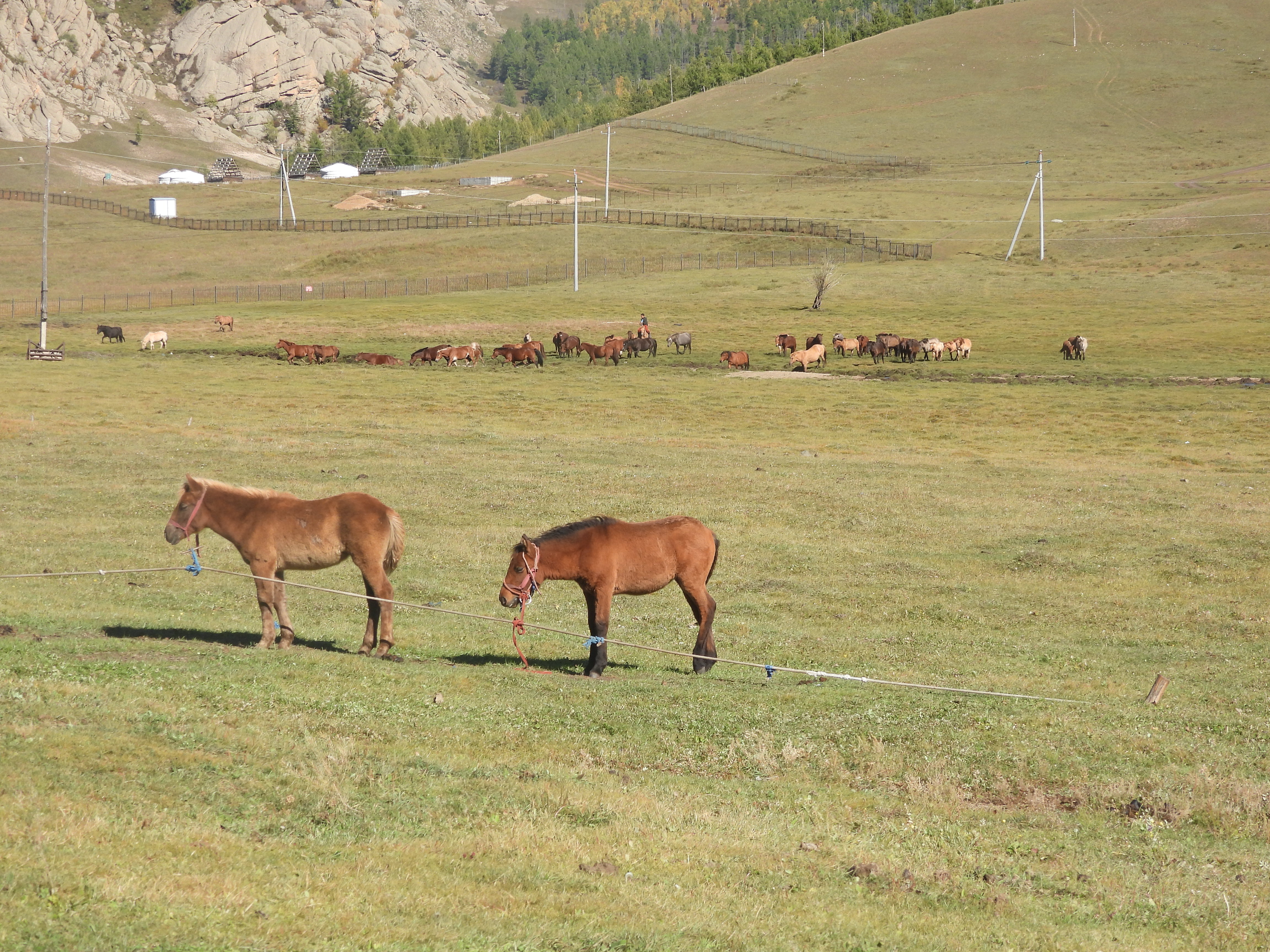 We learned a few games, but the one I enjoyed the most was called Turtle. The ankle bones are spread out on a table in the shape of a turtle. Turtles are found in Inner Mongolia (now part of China. We never saw any on our trip except for the famous Turtle Rock). The object of the game is to roll dice and based on the value of the dice, take the number of ankle bones from the turtle that match the value. The person with the most pieces wins, and if a player has none they can take from the turtle, they must put pieces in. If a player has no pieces left, they are out of the game. It was fun, competitive, and kept us both entertained and warm: exactly how the Mongolian nomadic people live in their harsh and unforgiving climate. We also played a game called Horse race, which was all a game of luck with rolling dice. The ankle bones were on the table in the shape of a horse. Each player’s pieces started at the heard of the horse, and tried to reach the front of the horse based on the value of the dice they threw. Of course there are horses all over Mongolia.
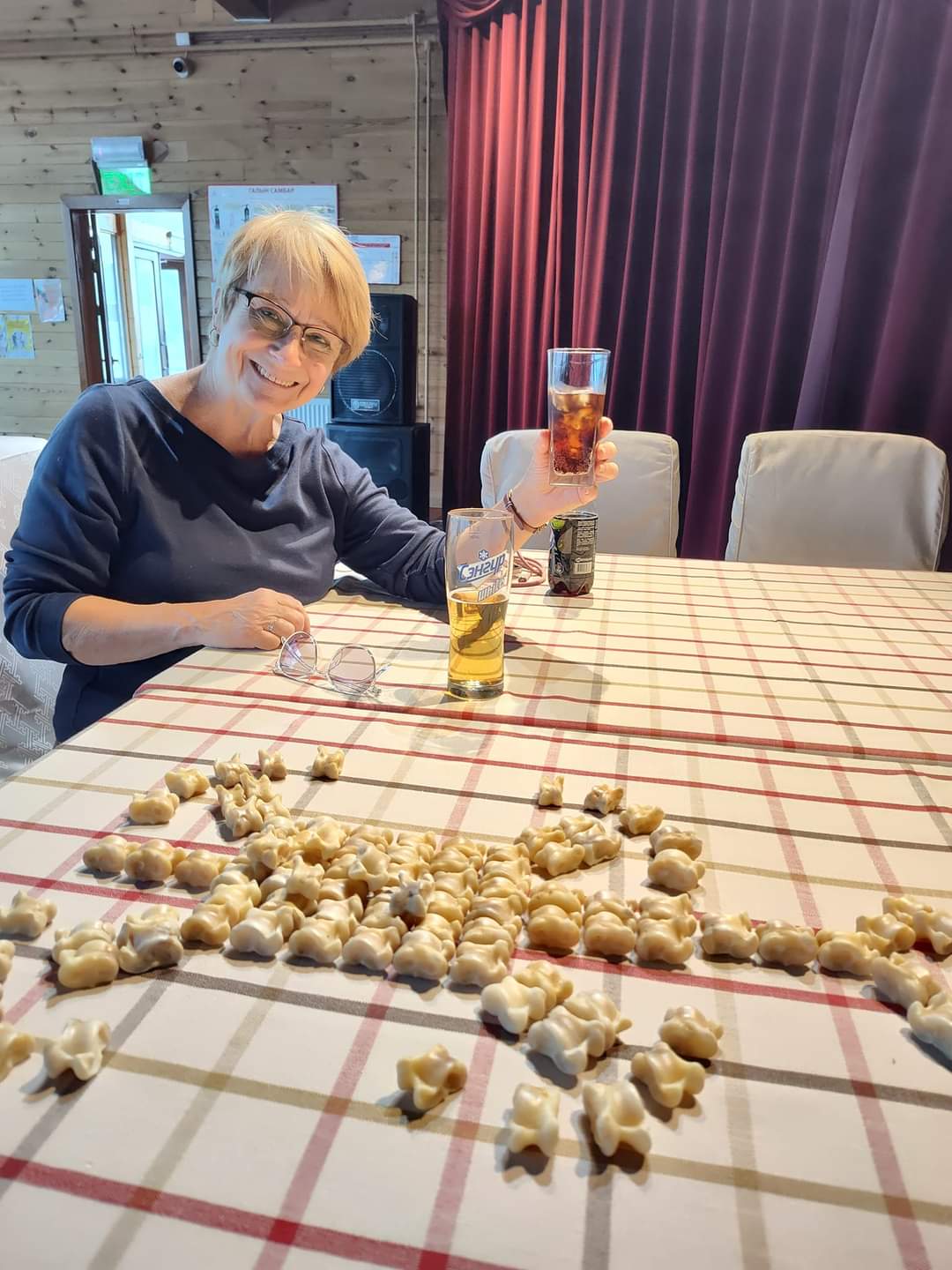 There was a time when people once said that if all the world leaders could meet in a hot tub, and enjoy the relaxation, wine, and conversation that occurred in such an environment, many of the world’s problems might be more easily solved and without war or violence. After being exposed to a Mongolian game like Ankle Bones, I think the same might be said for playing games in a foreign country. We relax in their environment, get closer to the culture and more fully realize it, and in a way that exposes us to the lifestyle unlike anything else. And we have fun while doing it. So next time I take a trip, I will look into the country’s game culture and see if there is anything unique that I as a traveler can learn from it. I am not the gaming type, so this was a revelation, the kind of learning and discovery in which OAT specializes. If my discoveries in other countries are anything like what I leaned in Mongolia, I might be pleasantly surprised. And if they are not, I will continue to have learned about a rich, unique, and fascinating aspect of Mongolian life.
All photos Jann Segal
 Travel the World with Passion