“Life’s most persistent and urgent question is, ‘What are you doing for others?’
Martin Luther King, Jr.
I felt truly blessed when I was in Zambia during “Green season” when I traveled with Overseas Adventure Travels on their marvelous trip, Ultimate Africa. Besides all the babies we saw in all the animal species we observed for two weeks during “green season,” we interacted with the locals on this part of the trip the most. OAT excels in this, and in African countries especially, giving back is crucial. But it is not hard to fall in love with Africa and its people. We crossed bridges and we helped build bridges.
When we first entered Zambia by road, we crossed a bridge from Zimbabwe, and below us was the Zambezi River, surrounded by Zimbabwe, Zambia, Botswana, and Namibia. Our first on ground encounter was when we walked across another bridge and saw Victoria falls from the Zambian side. This was a trickle compared to the Zimbabwe side which has a significantly higher water flow. People reached out to us wherever we went. We met many locals during our walk, most in want or in need of something, selling their wares for lunch food they told us. Walking across the bridge was almost symbolic for me because we were not only bridging two African countries, but we were about to explore the bridge between two countries and different cultures – that of the southern African nations and our own.
We passed many churches on the way to our first camp in Zambia, all of which were quite busy since it was Sunday. It was wonderful to see the spirit of the local community they had and to be hugged and welcomed into their house of worship, regardless of our own religious beliefs, as we paid a quick visit to see their church. I tried to leave the church service a bit early, but members of the community came out and brought me back into the church. They were building bridges with us, white American travelers, coming from a different culture (and in my case a different religion), and wanting to share their own.
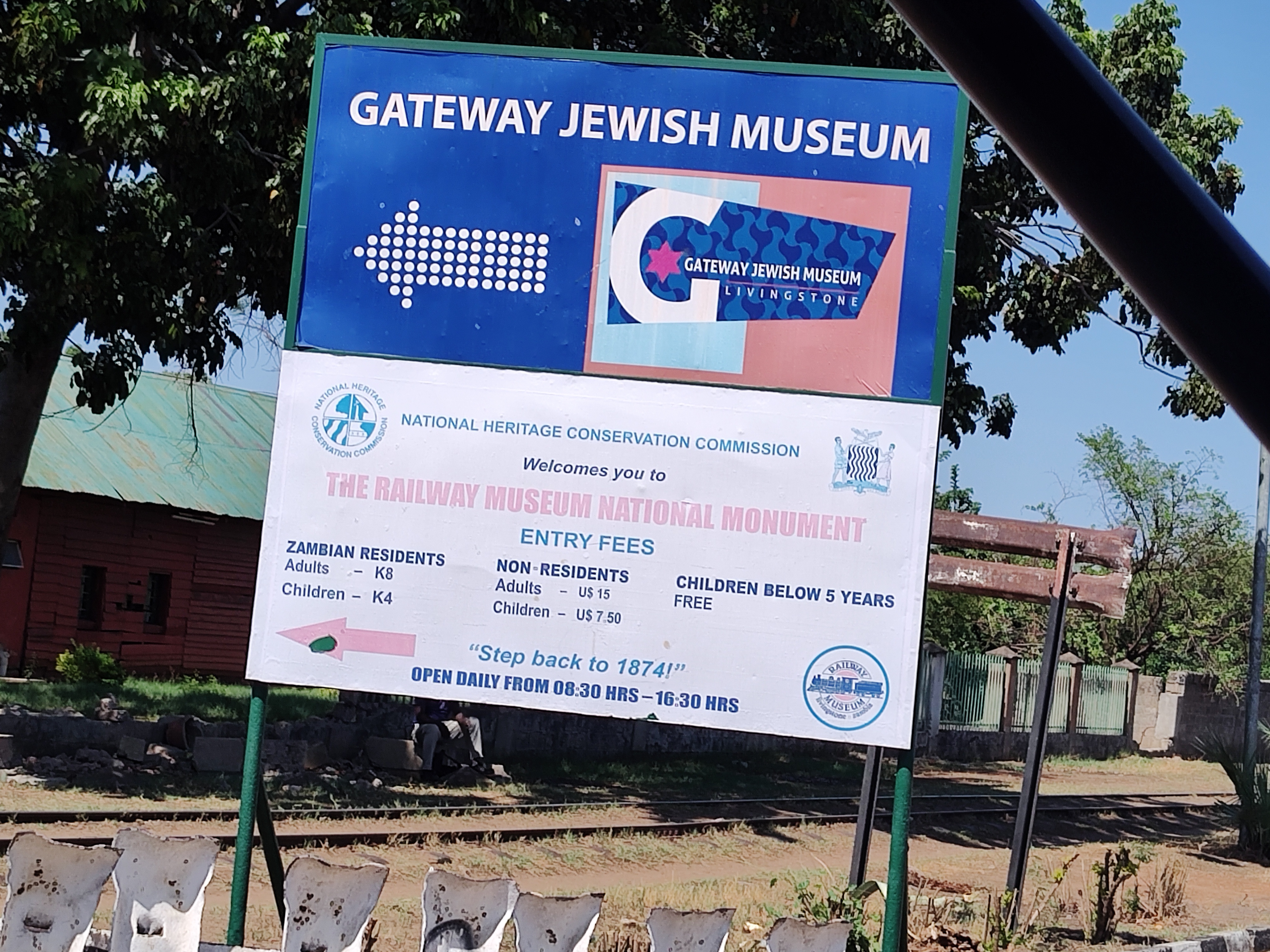 There was also a once Jewish part of Zambia, where a Jewish Museum now resides. The synagogue that was once there is now a church, and the church members help clean the graves of that one Jewish cemetery, although there are three total. Most Jews left when British rule ended in Zambia, which was once known as Northern Rhodesia. Only three Jews now remain in the country. Jews are revered there because of their connection to the Bible. Although there were churches one after the other on one side of the road (and bars across the street!), learning about how they celebrated their religion while simultaneously retaining the culture of past religions in the area was another bridge we had crossed.
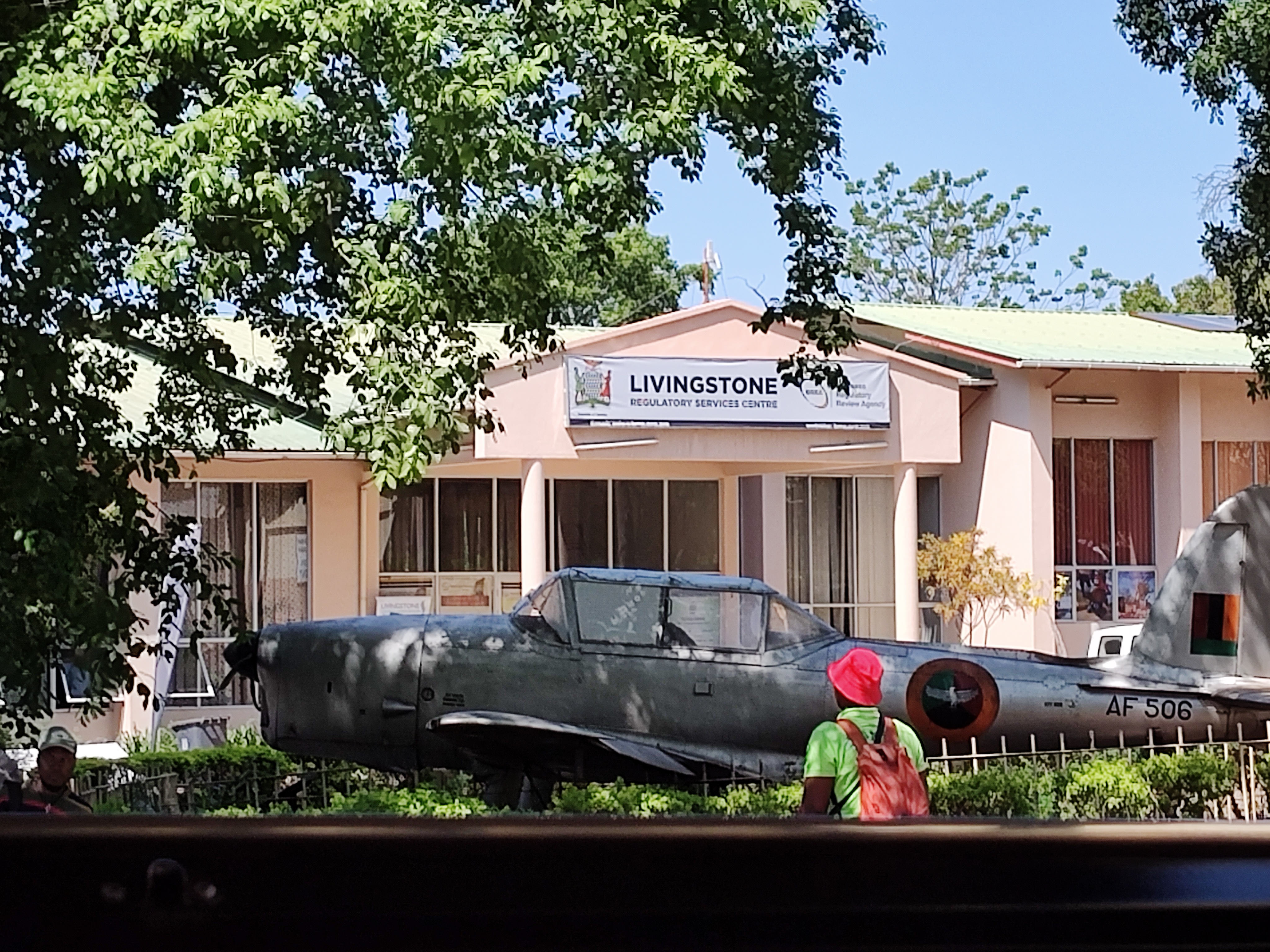 We went into Livingstone and saw the small town, which is larger than the others we saw along the way. I knew absolutely nothing about David Livingstone for whom the largest town in Zambia is named. He was a Scottish explorer, scientist, Christian missionary, anti-slavery crusader, and proponent of the British colonial expansion. He died of malaria in Zambia, and in Zimbabwe at Victoria Falls, a large statue of him is prominent. So, the giving spirit of David Livingstone is what we encountered in Zambia, where he resided for many years and developed a strong bond with the people. He too, built bridges, gave enormously, and helped the country grow despite (or maybe because of) British rule at the time.
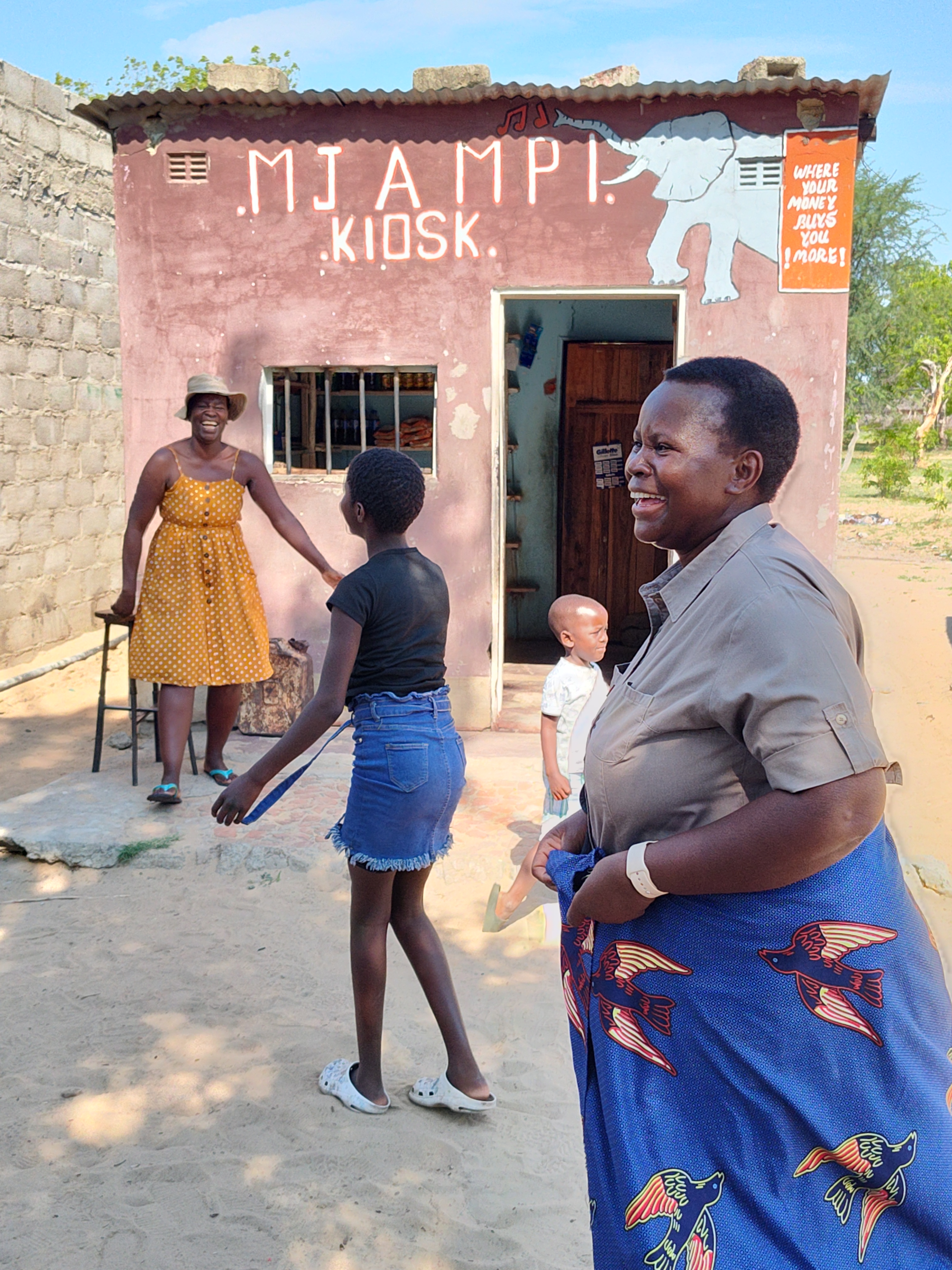
One evening a woman came to our hotel to teach us how to make peanut butter. The woman who showed us, also taught us about how they use their beautiful fabrics such as we purchased for all of two dollars, to make their traditional long skirts to traditional head dress. She told us the things parents told their children to keep the boys away from the girls, but the kids eventually figured out the attraction behind a termite mound. In my day it was the submarine races! People are the same wherever you go.
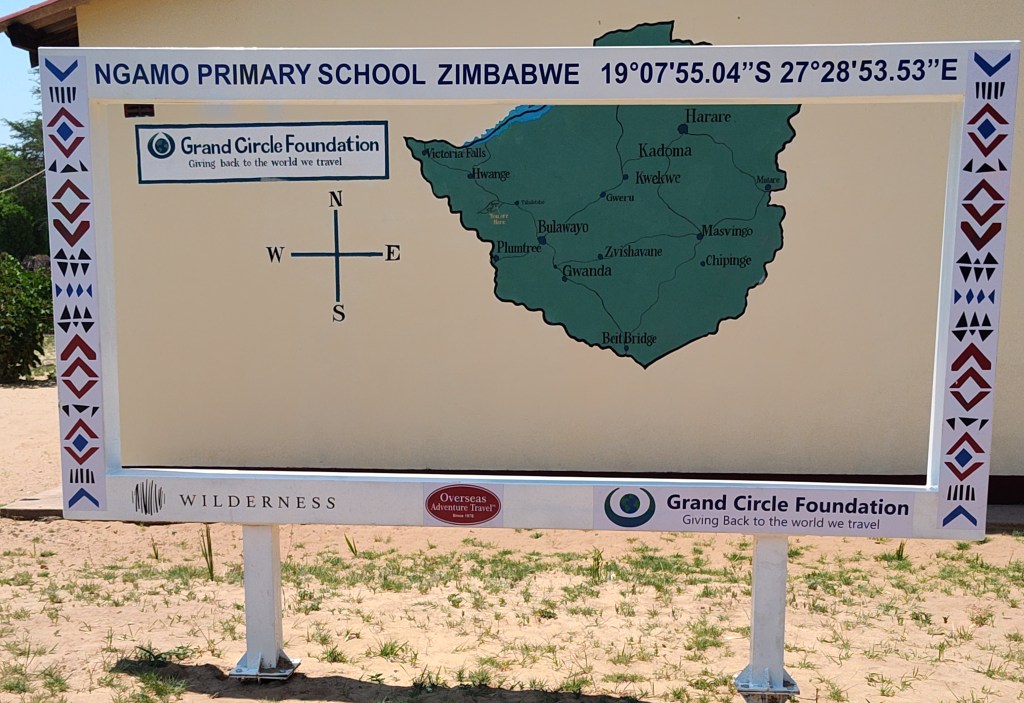
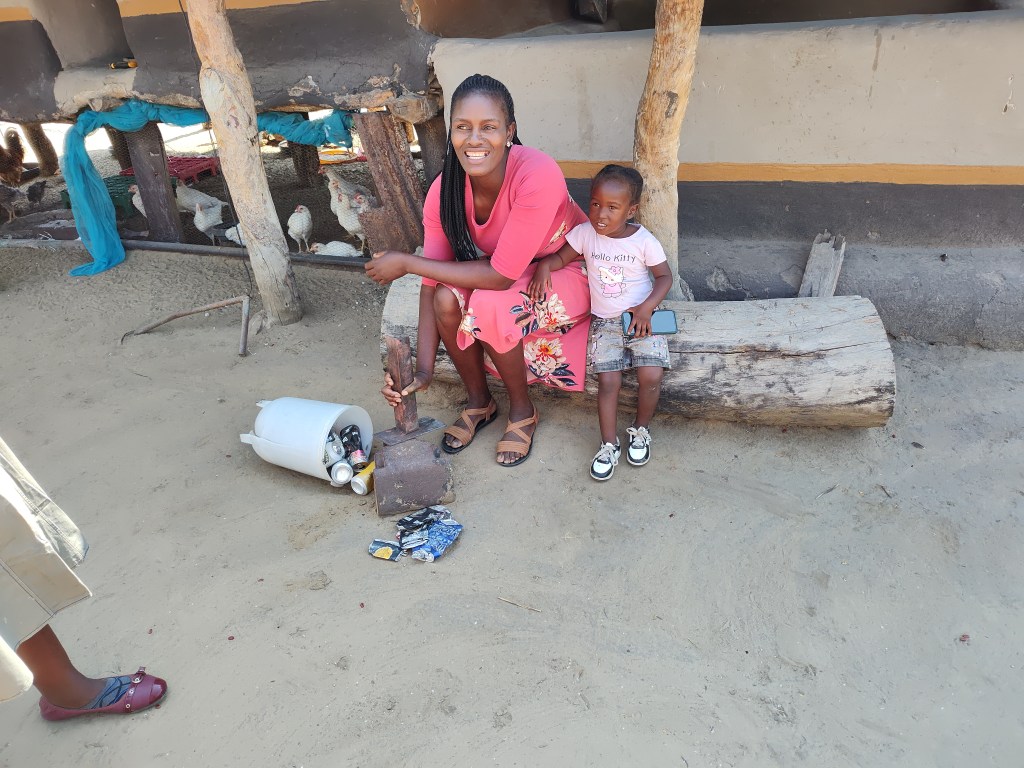
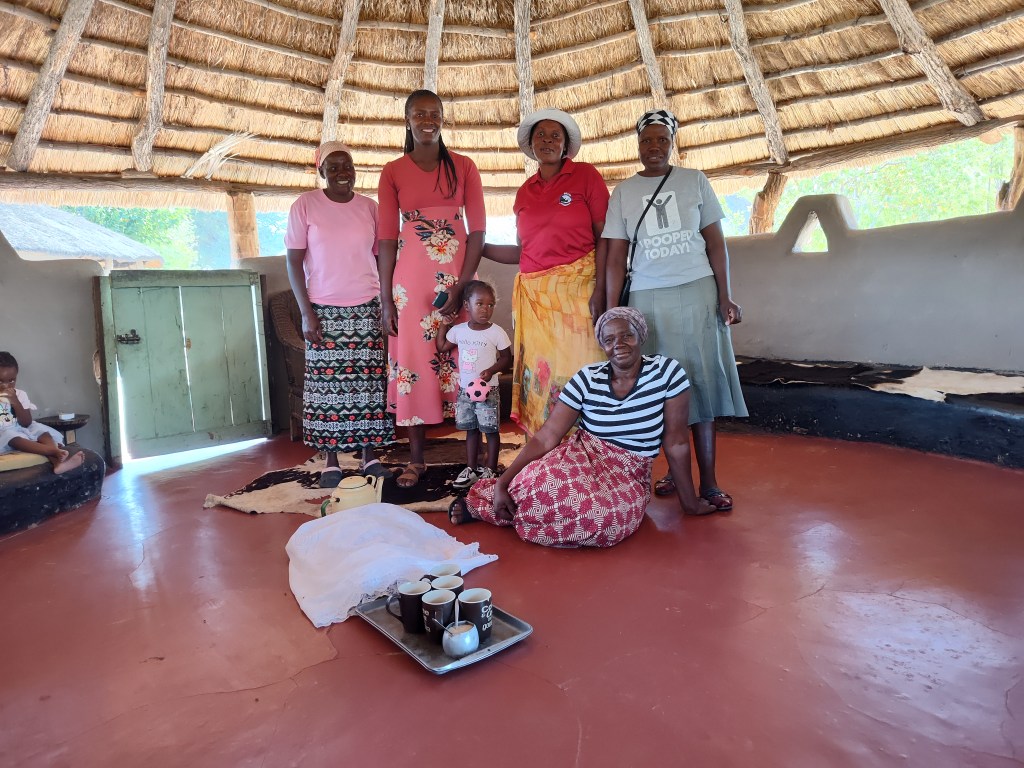
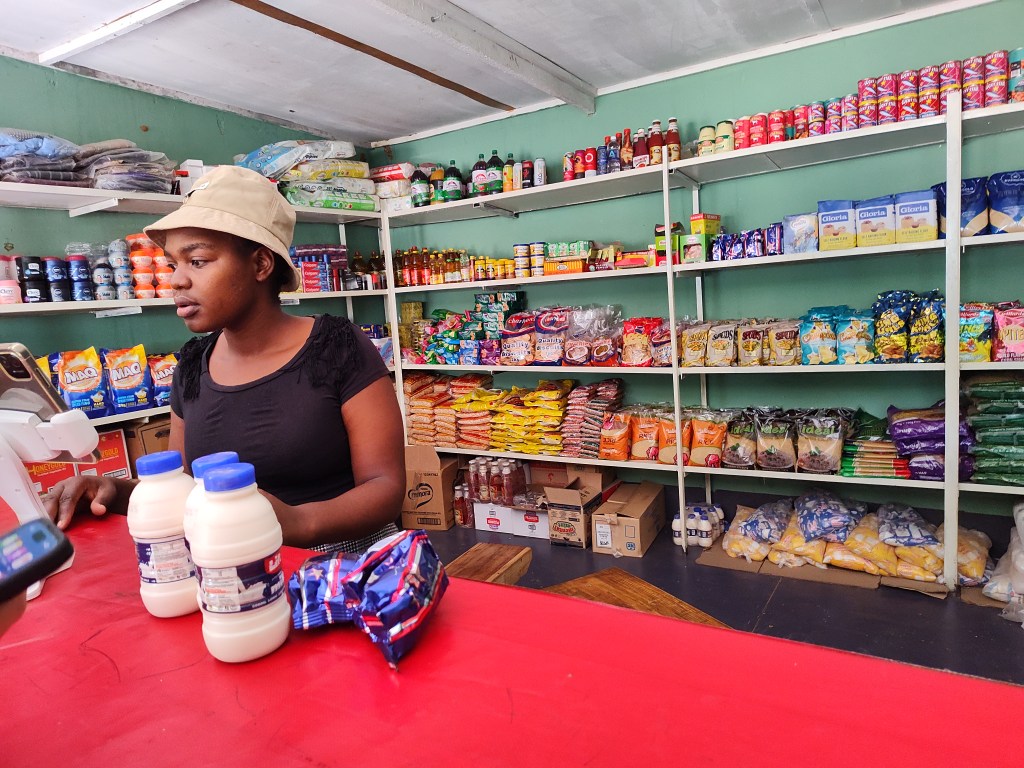
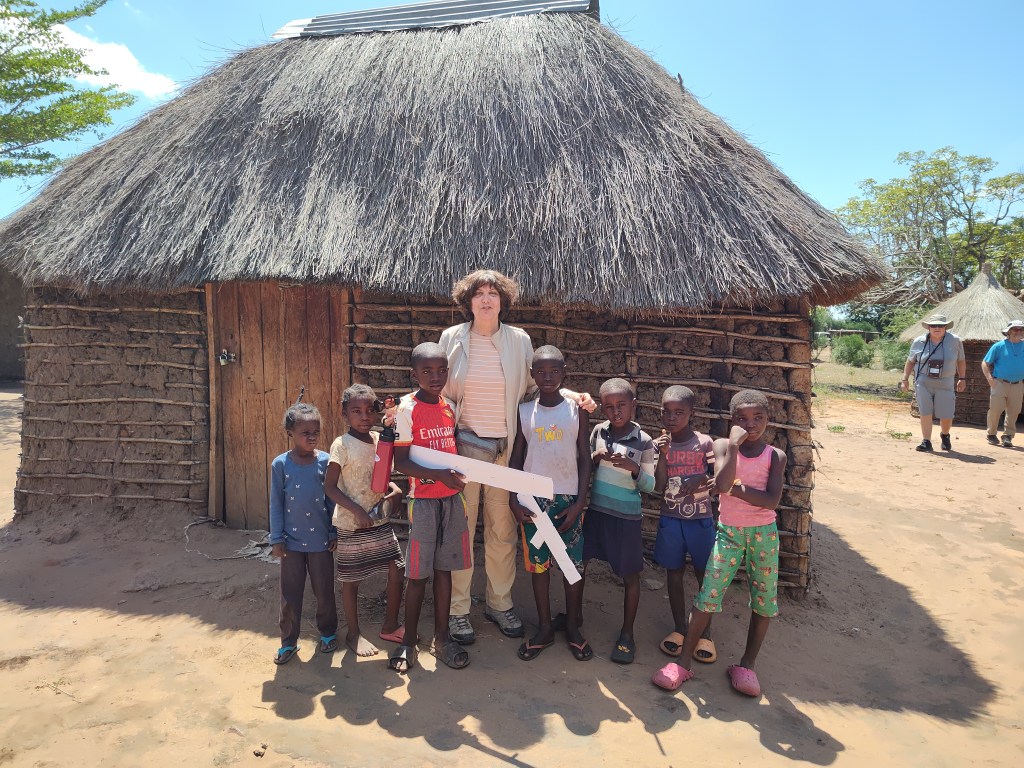
Before leaving Zambia, we stopped at a local village to see how they lived and to drop off extra food. I loved posing with the children. African children always have a special place in my heart, and I enjoyed touring their school and reading center which is supported by the Grand Circle Foundation. But the children and their families were so adorable, I kept trying to get more in the photo. We all left our oversized lunches with the community, who could use the food far more than we could. Many left clothes behind. I left clothes behind where I was advised, in Victoria Falls, where the is also a need. Many use clothes there for barter and barter the sale items such as baskets with their clothes. I purchased the baskets I wanted, enjoyed my interaction with the locals, and was grateful that I had some clothes to leave them as well.

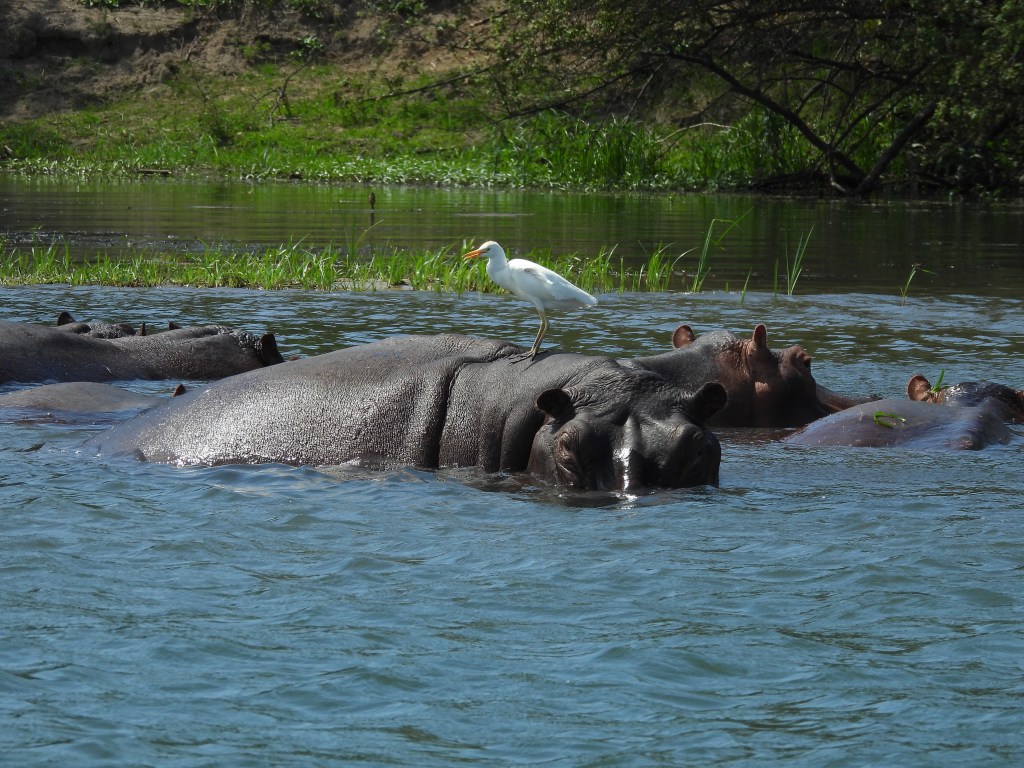
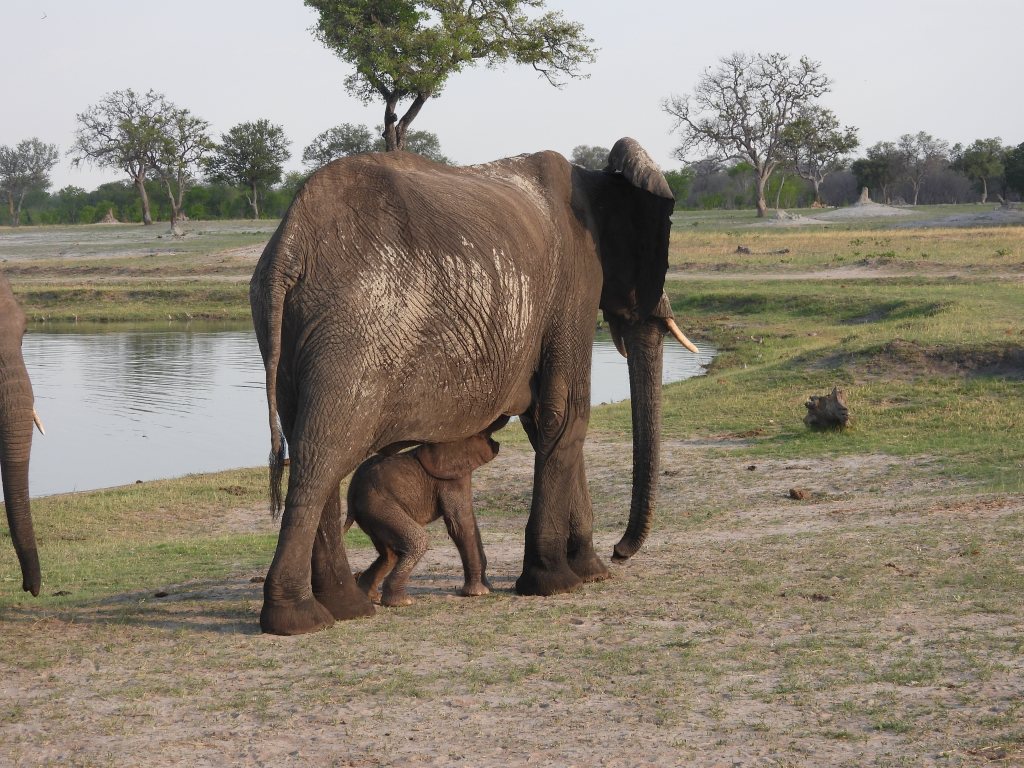
The most impressive animal experiences we had in Zambia on the Zambezi River were contained, and on two mornings we boarded boats and enjoyed nature’s backyard and bountiful egrets on the backs of hippos, along with a multitude of shore birds who united to keep the others in good company. In Zimbabwe on the last day of our trip, we also experienced Zambia which is on the other side of the Zambezi River. Especially striking were the elephants along the water’s edge, trying to get back up to land and slipping on the wet dirt. But for such a small country, there is so much history, culture, animal life, and it certainly combined perfectly with the other countries we experienced on the trip, Zimbabwe, and Botswana.
 We as travelers can learn much about the spirit of giving back when we travel. I had a private guide in Johannesburg before joining the OAT tour, and she always had food in her car to give to people on the street as she drove. Any leftovers from the two lunches we shared she took with her, and I saw her give to those in need. When I booked my first trip with OAT over a decade ago, they sent me their brochure which explained about the Grand Circle Foundation and how it “Gives back to the world in which we travel.” Aloud to myself, (and after four decades of independent travel all over the world) I said,” Why shouldn’t I travel with a company like this?” I still enjoy independent travel, but I am all the wiser thanks to these many experiences with OAT and meeting local families. I now try to seek out opportunities in countries where I can meet the locals, see how they live, try to learn what I can give them, and understand how I can make a difference in their lives. For me, simply being in their country has always been impactful in mine.
 Travel the World with Passion