“It’s not the mountain we conquer, but ourselves.”
– Sir Edmund Hillary
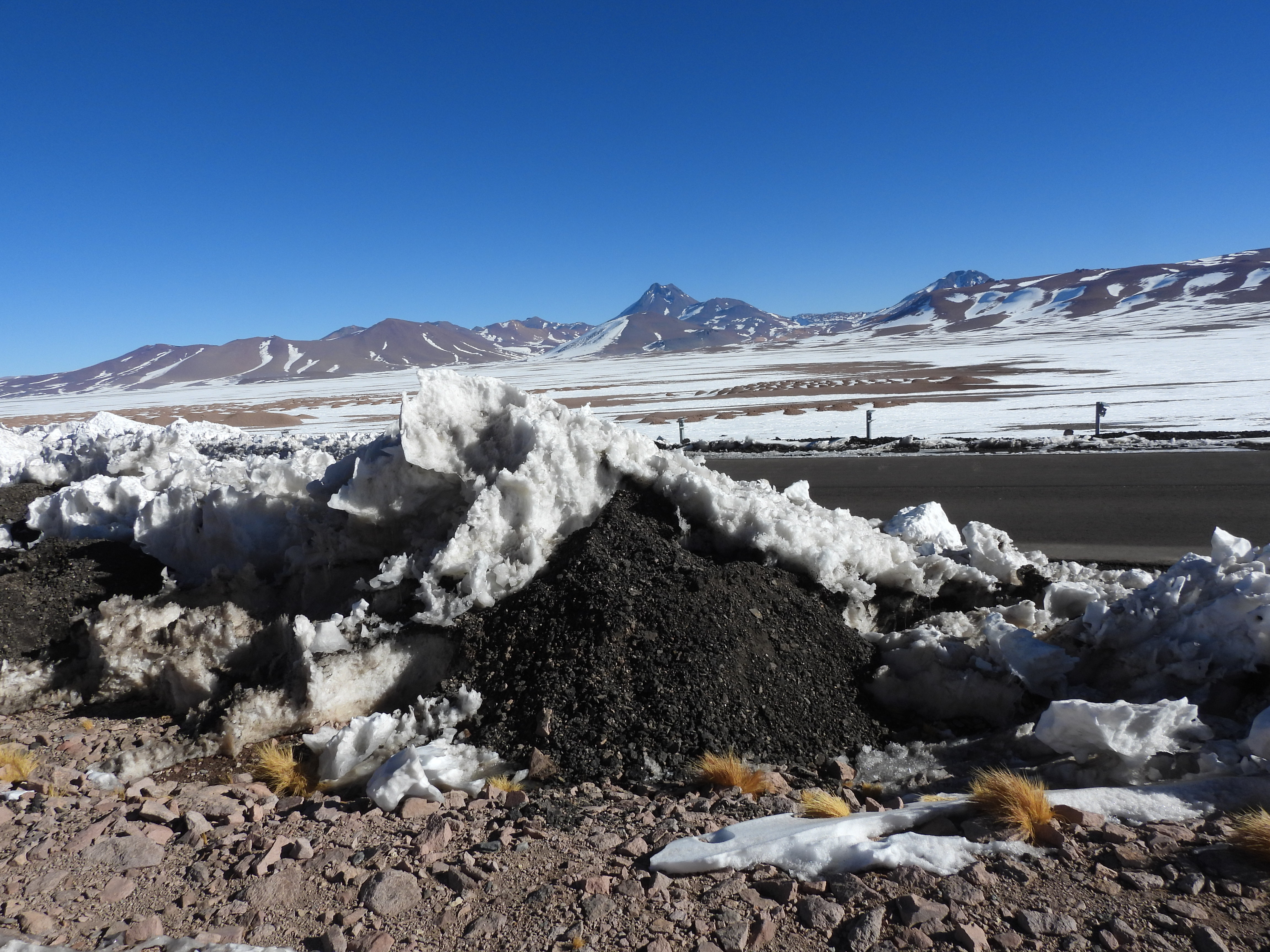 This quote by Sir Edmund Hillary, the mountaineer who famously conquered Mount Everest, describes exactly what it feels like to go into high altitudes and become successful at the endeavor, whether hiking, walking, or in a bus. The challenge is taking on the adventure and seeing it through to the conclusion, which itself becomes the trip. The rest in my estimation is simply frosting. It’s part of the adventure for sure. But succeeding at staggering heights and exploring what gifts nature has to offer there, can become a personal conquest.
And so it was for me, when I took the trip Northern Chile and Argentina Atacama Desert with Overseas Adventure Travel, Reaching our highest elevation of $15,’800 feet in the Chilean Andes had me at wow, wow, wow! It was an exceptional day as we left Patacama and arrived at the heart of the Atacama. My only issue with the entire trip was that it was soon to be over. But what a glorious day we had.
Both OAT and nature delivered that day, and we had unexpected stops along the way. We left Argentina and had to drive over 15,000 feet for about an hour once we cleared the Chilean border. Fortunately, OAT told us exactly what to do, provided necessary information for how to minimize altitude sickness, and it really worked. So, for anyone taking this or any other high altitude trip, do exactly as they tell you, come with your own altitude medication in addition, and take it seriously. Several of us, including myself, felt ” uncertain” or a bit “wobbly,” at 13,000 feet, but I kept following the instructions, which included breathing exercises and drinking lots of water, and my experience at 15,800 was much better than the last time I was at 15,000 feet. It was truly excellent coaching on OATs part. I had a bit of a headache, despite my precautions, and only a few seconds of chest pain, because I knew how to give myself the oxygen I needed through the breathing exercises.
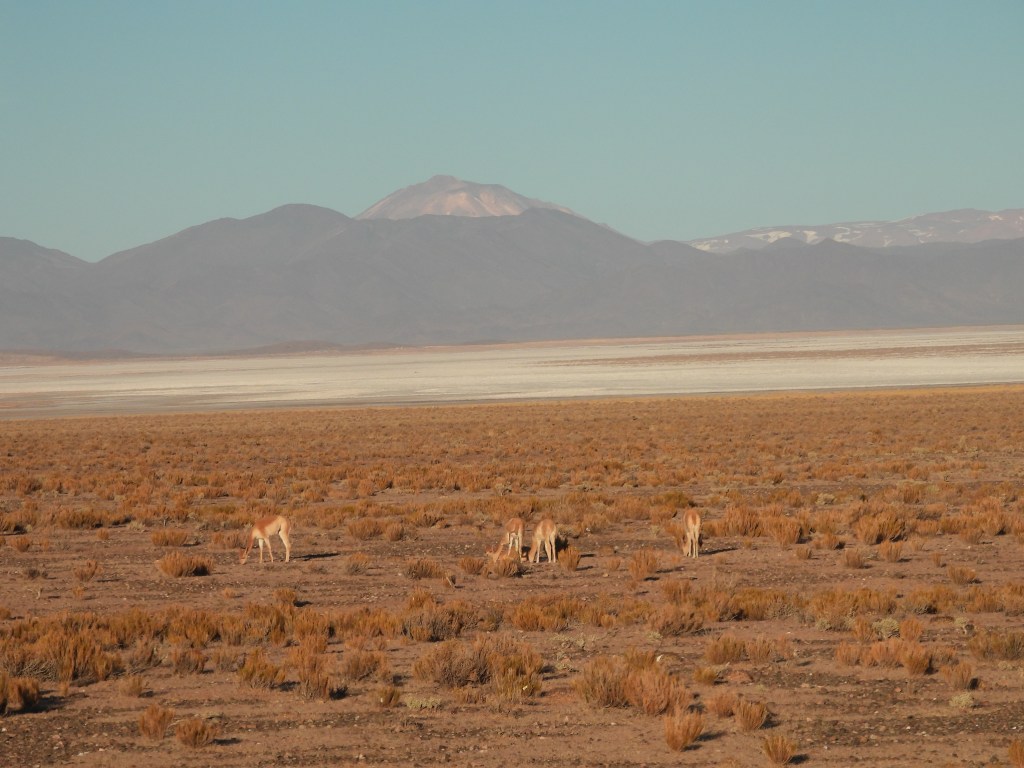
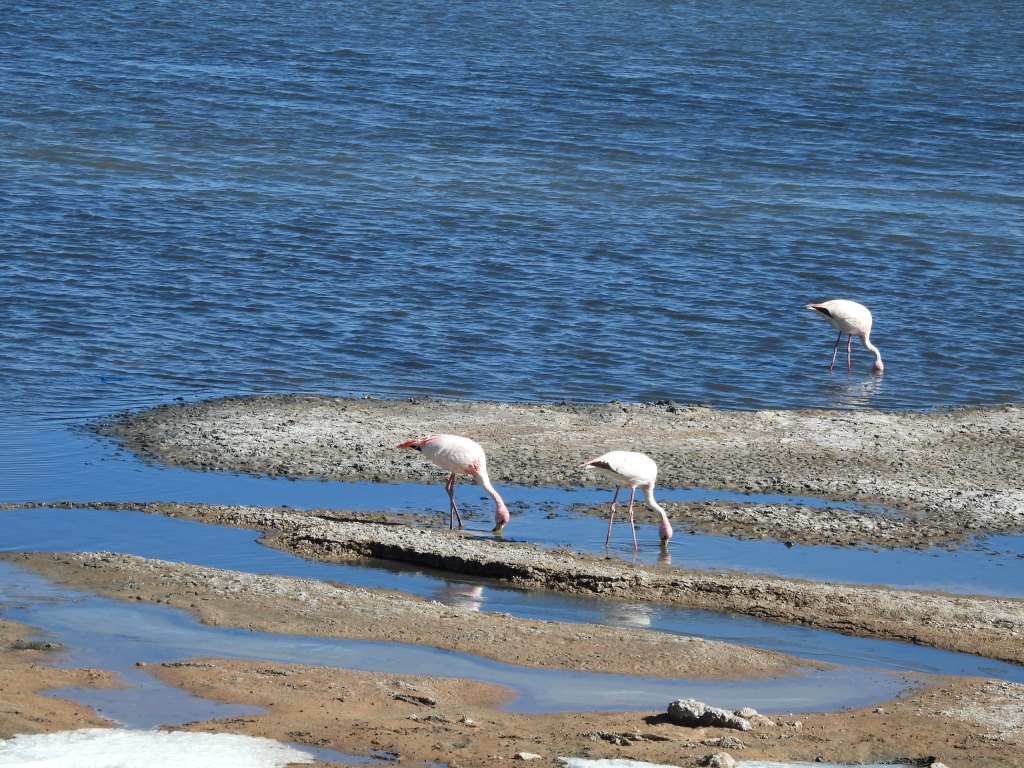
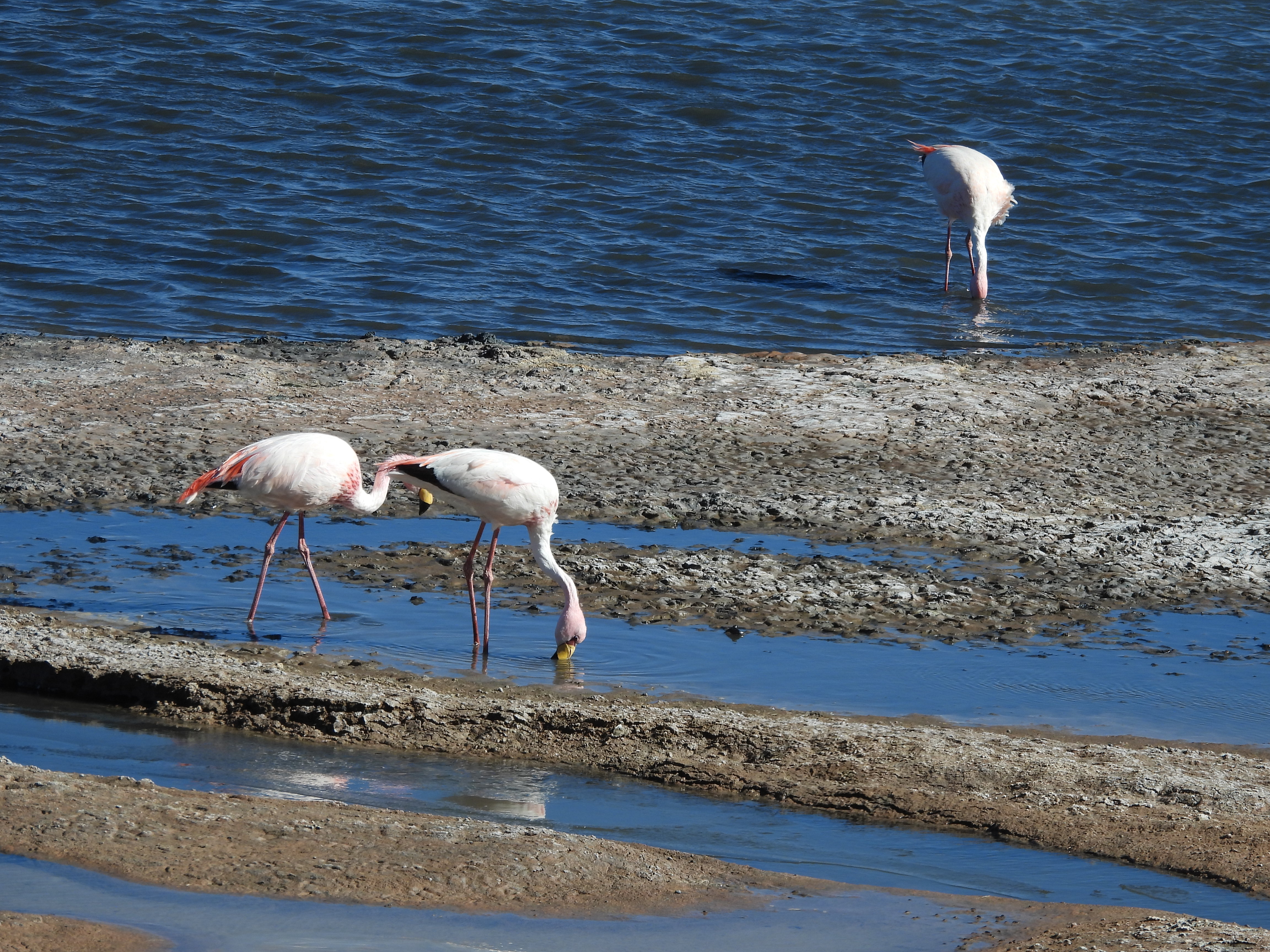 Besides getting through the highest altitude of the trip (some altimeter apps said it was really 16,200 feet), we stopped unexpectedly because we saw flamingos in a lake. I was thrilled I caught some in flight. I saw hundreds of pelicans in Namibia the prior fall, but any beautiful wildlife like these two birds are such a treat to stop and photograph.
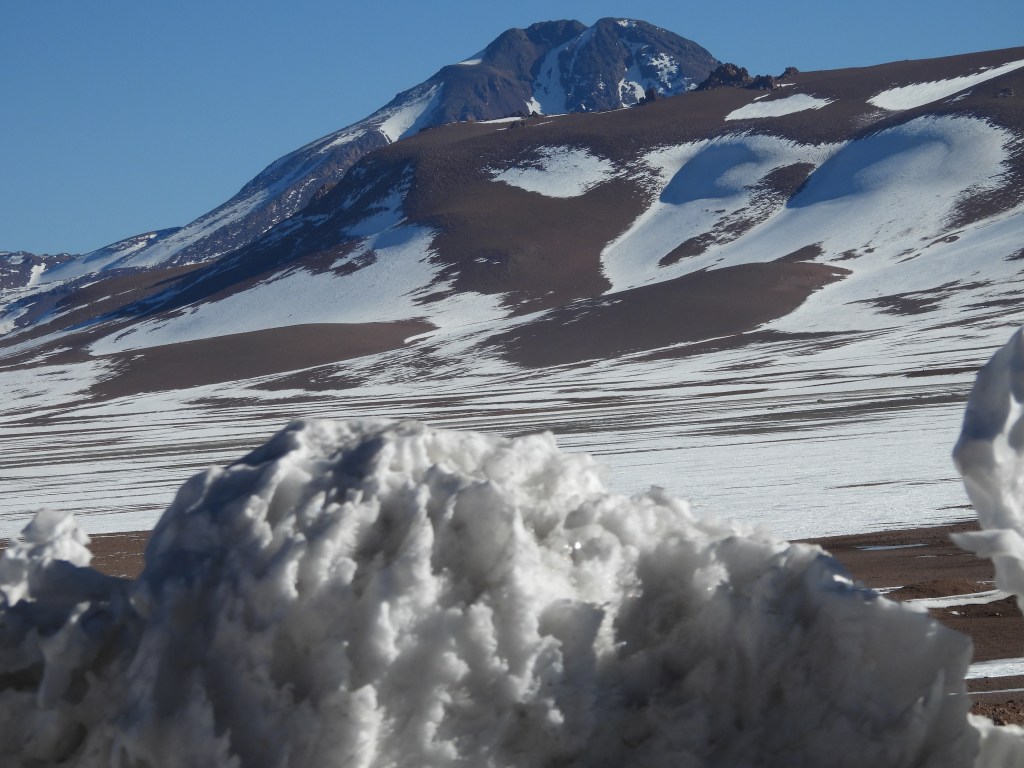
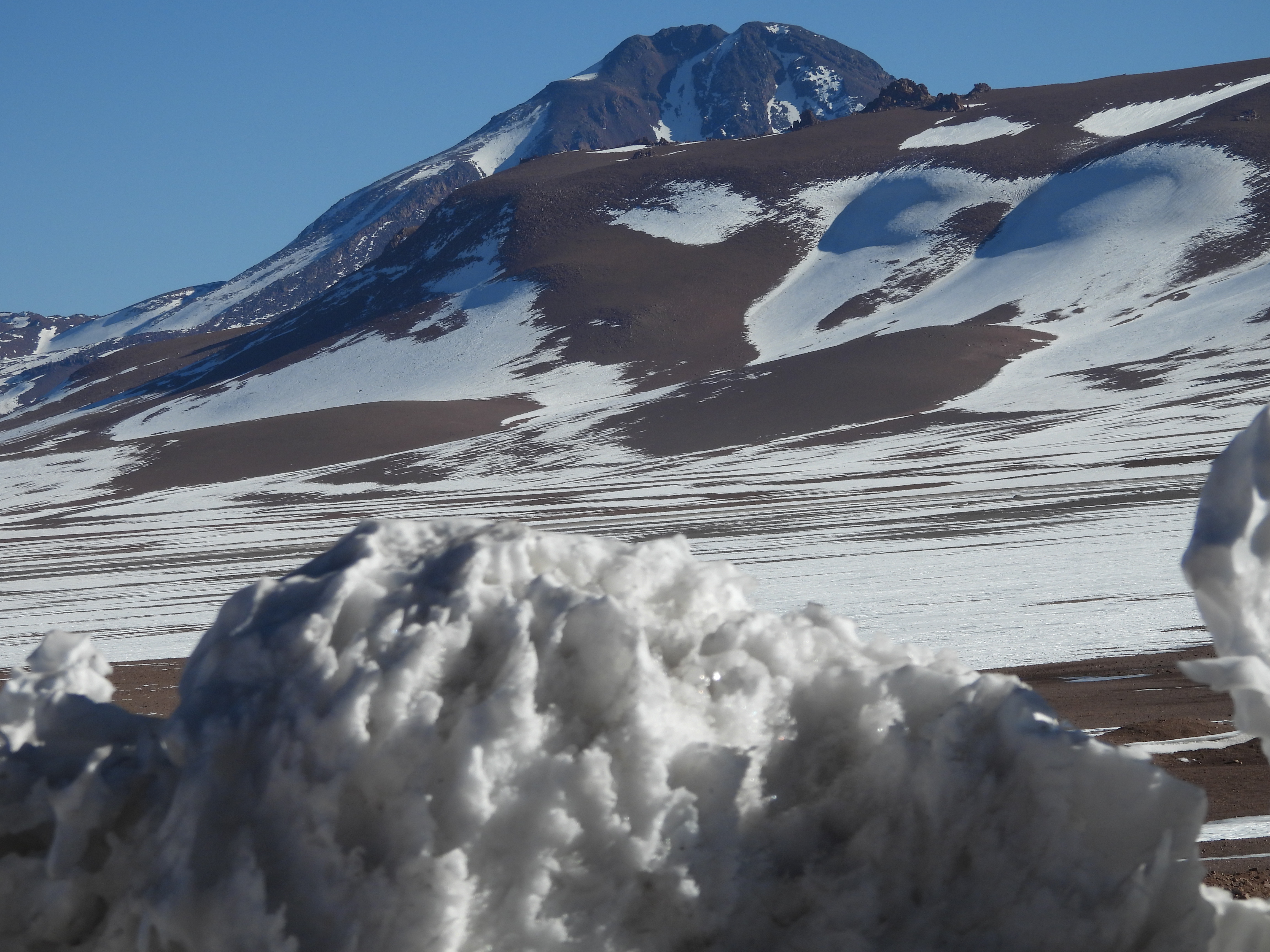 A real highlight before we passed the massive volcano which was the Bolivian border, was seeing all the snow and beautiful rock formations. Some of the snow looked like a rock quarry, but it’s snow that never melts and looks like broken rocks. Other snow we saw does melt, but since it ‘was their winter, we got to see snow scenes only seen that time of year. It was stunning.
 Before visiting a local village, we were fortunate enough to spend time at the eighth largest salt flat in the world, Salair de Atacama. Geographically it is almost the same land mass as the Bolivian’ Salair de Uyuni. They are also mining for lithium on the Chilean side. I had only recently learned this area existed, including Atacama, so I was delighted to see it as part of this trip.
The first city on this high altitude trip after leaving the anchor city Buenos Aires is Cafayate, at 5,522 feet. Most people don’t have any issues at that altitude. From Cafayate we drove to Cachi at 8,304 feet. That still created no problems for most, although I had a slight headache from time to time and drank plenty of water. When we reached the 11,100-foot mark I only noticed it because I was looking at my altimeter app.
We then went to Salta for two days, at 3,780 feet, a large city of 1.4 million people, unlike our other stops which were more like small plaza areas. Spending time at lower elevations after being in the higher reaches is an important part of the gradual acclimatization process. OAT seems to have given this the right amount of thought so travelers can succeed.
After we left Salta, we continued with our gradual climb to Purmamarca, which is 7,625, and was easy to tolerate. There were a few ups and downs along the way in terms of altitude, but that was all for the best.
After that was the ascent to San Pedro de Atacama, going through the afore mentioned 15, 800 feet. That altitude cannot be taken lightly . I got chest pains and confusion at 15,500 when I was in Peru traveling independently one year, but that was because we had gotten off the bus after having seen the condors. If I stayed on the bus during the drive over, I had no problems. In this case, we had to get off the bus because it’s the border to Chile. However, we actually stayed in San Pedro de Atacama in Chile at 7, 897 feet. There was oxygen in the bus in case of any emergencies, but nobody needed it. After our time in the Atacama, getting back to the lower altitudes then onto Santiago was no problem.
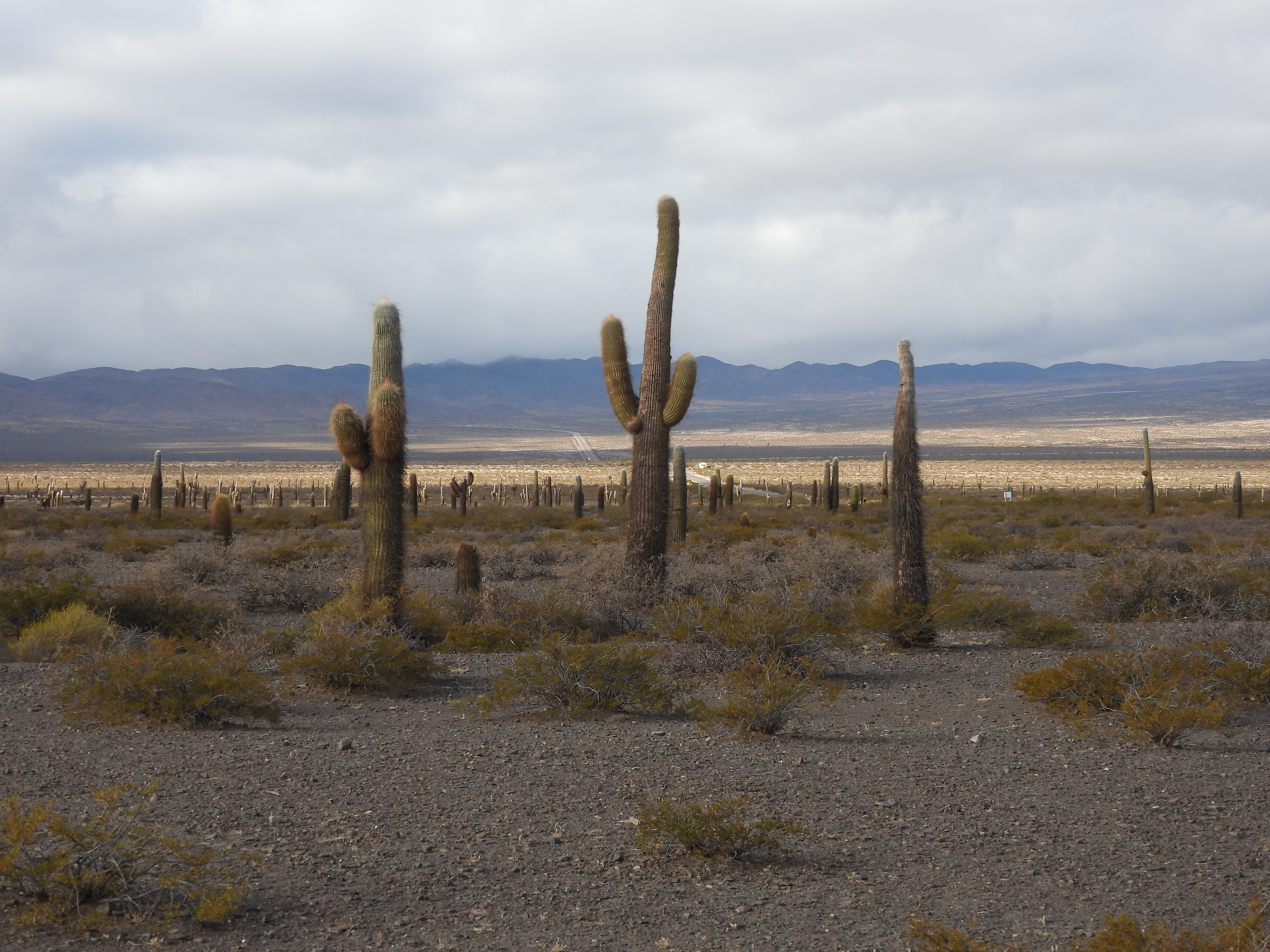
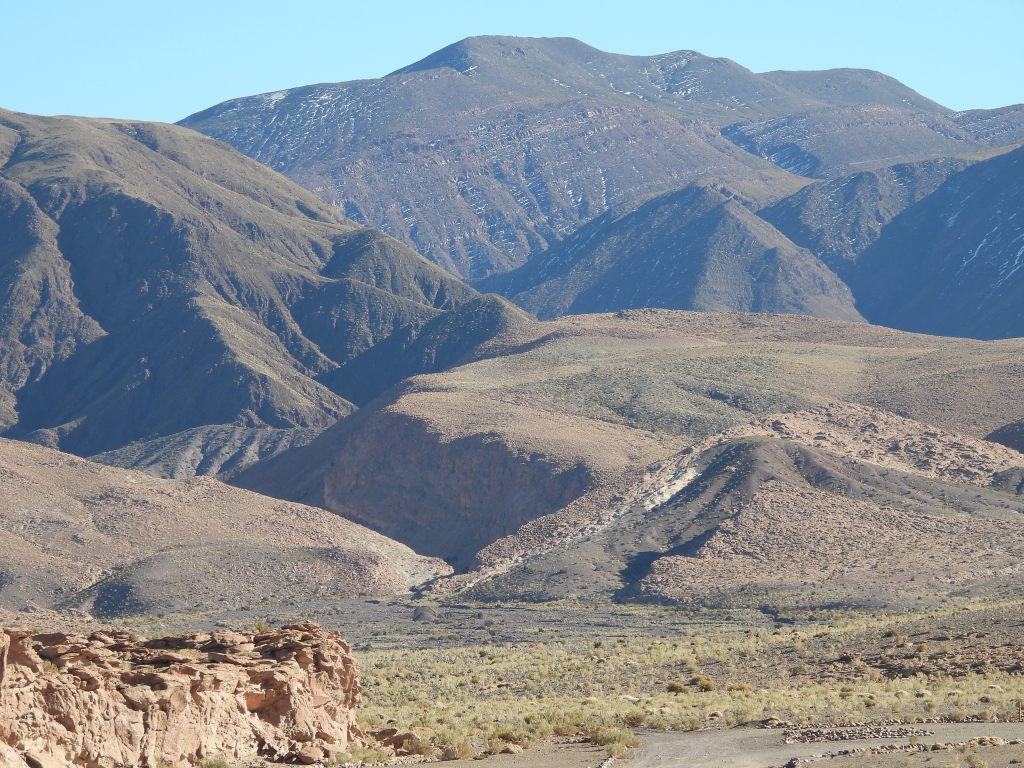
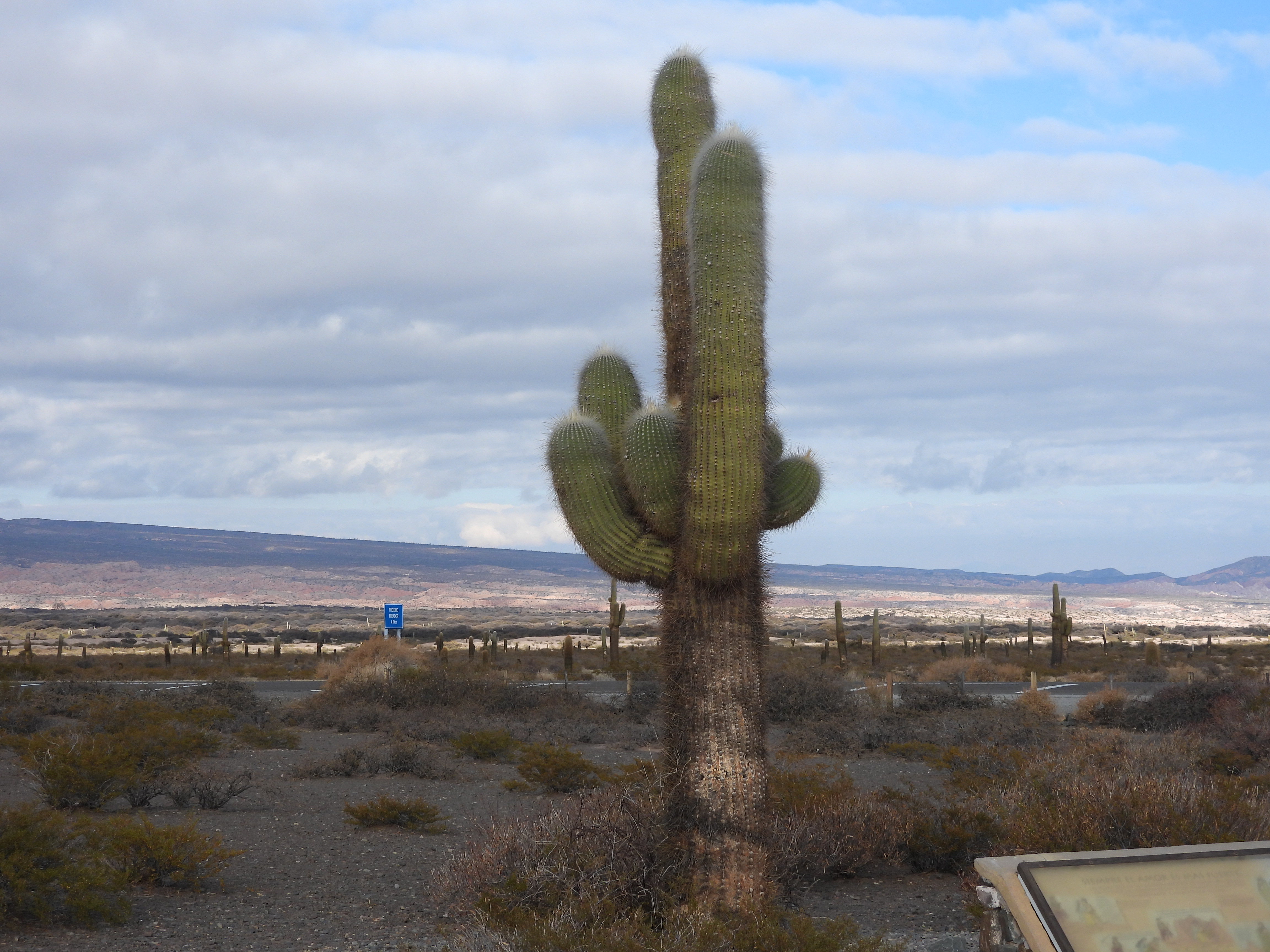 One of the other high-altitude highlights for me was visiting a national park that had over 11,000 cacti! And Argentina alone has over 1,000 different species of cacti. It was stunning, and no photos can do this justice. Los Cardones National Park is a real treasure, with stunning mountains in red and green surrounding the valley. Apparently there are also dinosaur footprints there as well, which my trip leader was surprised to learn. But this massive number of cacti surrounded by stunning mountains with mineral deposits which were millions of years old, made that part of the trip, along with so many other days, truly exceptional.
 While this trip enabled us to explore high altitude wineries in places like Cachi, Argentina, and a High Altitude Museum in Salta, the true exploration on this trip is within. The traveler discovers if the beauty of Paris and its fine museums is more to their liking, or if exploring the nothingness of the Atacama Desert, its magnificent sunsets, its unique cacti, its cemeteries and its gaucho and Andean Incan celebrations, is a travel pursuit worth their time and effort to engage in the challenge. In my case, I love it all. And I simply adored the immersive challenge of conquering the highest altitude in my travels. Those mountains and that stirring desert are transformative to simply look at, realizing what you as a traveler have just accomplished.


All Photos Jann Segal
 Travel the World with Passion