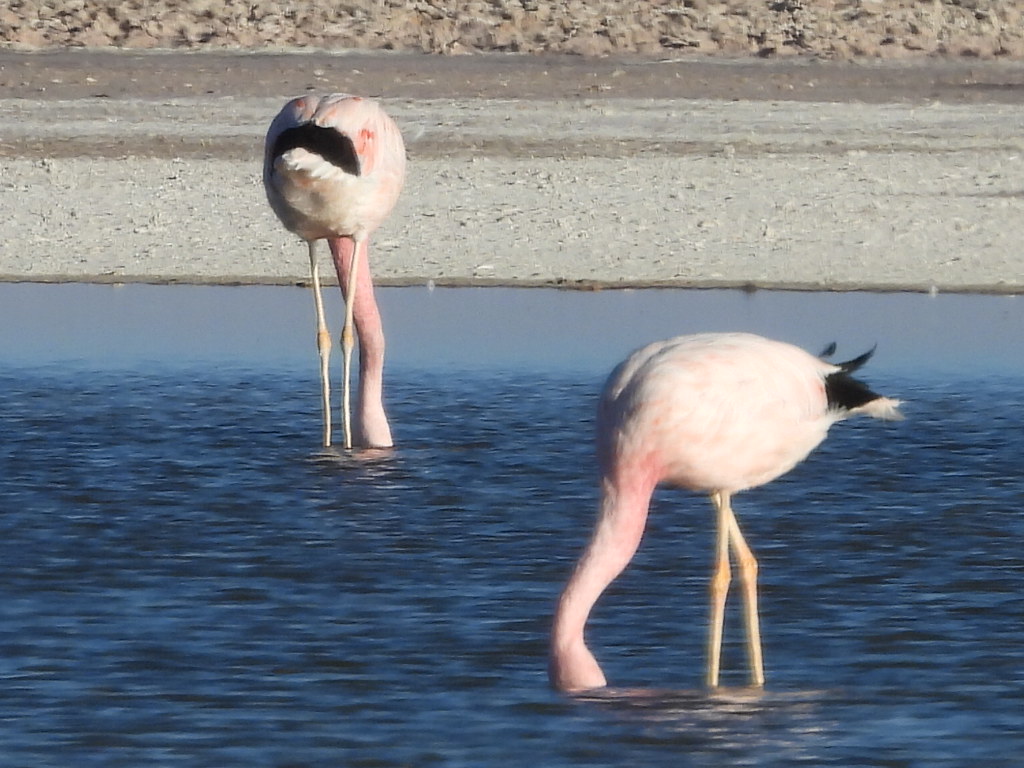
 There aren’t enough adjectives to describe the Andean Atacama Desert that crosses both Argentina and Chile. Unique, fascinating, stunning and diverse are a few I’ve seen mentioned. But when I consider my surprise in seeing the desert and its dried salt lakes in some cases dotted by pink and white flamingos, in some cases filled with them, magnificent also comes to mind. And at the end of the day, you have an extremely high likelihood of stargazing into the Milky Way itself, billions of light years away. Nature’s reminder that the flight from your hometown wasn’t that long after all.
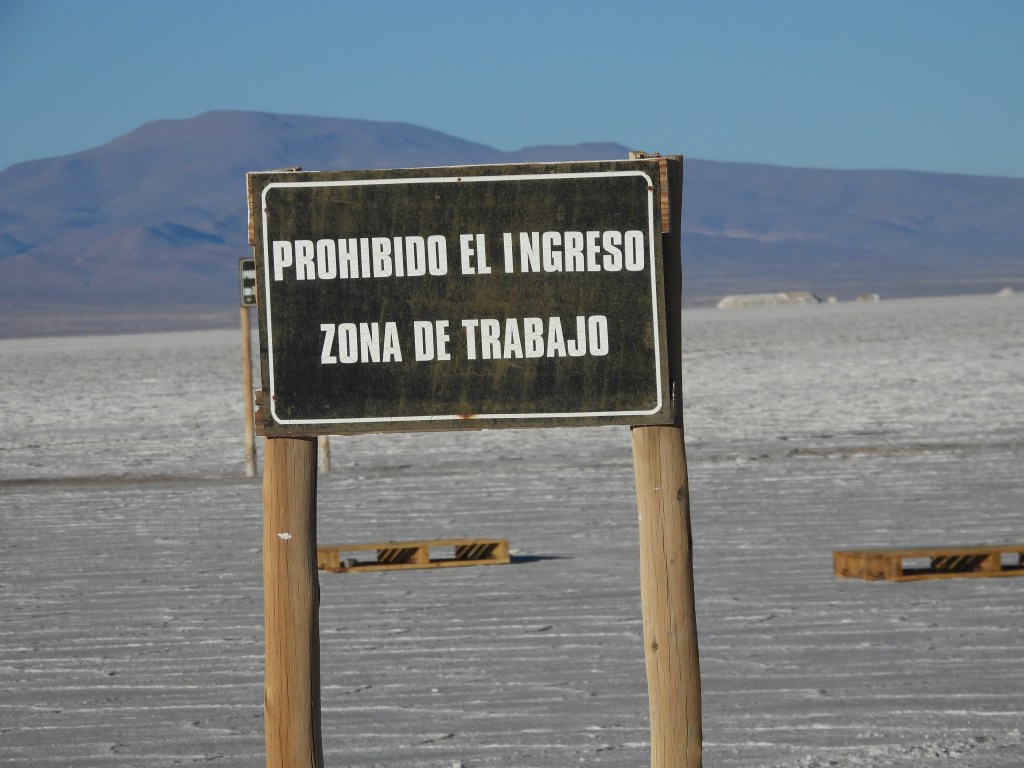
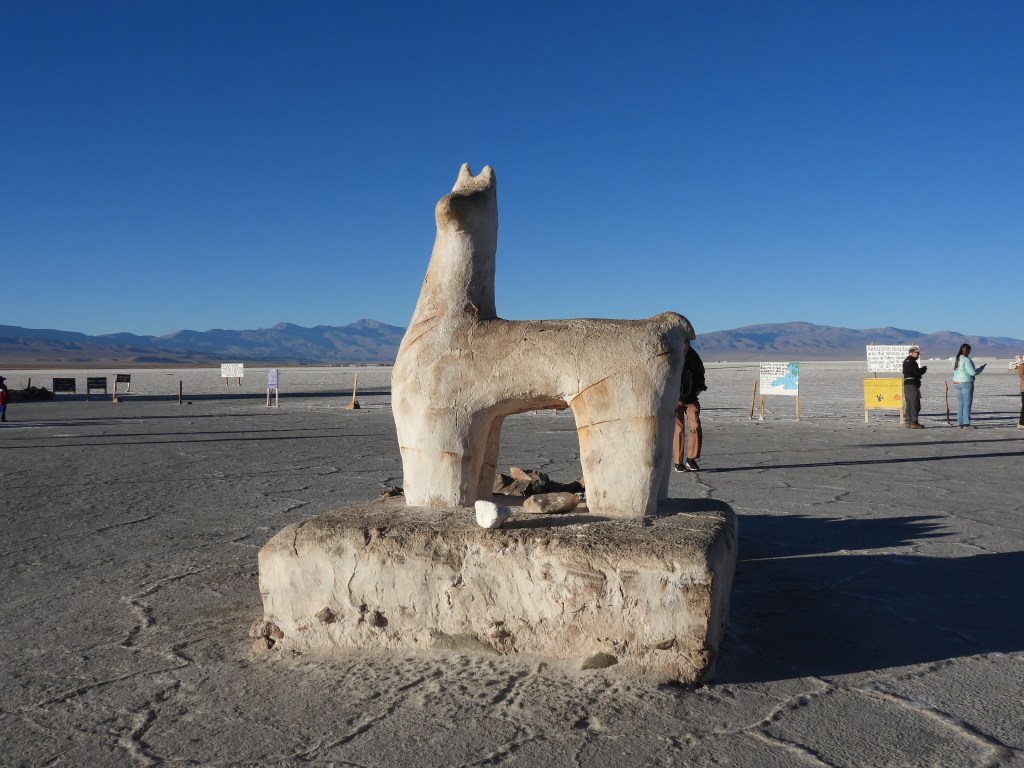
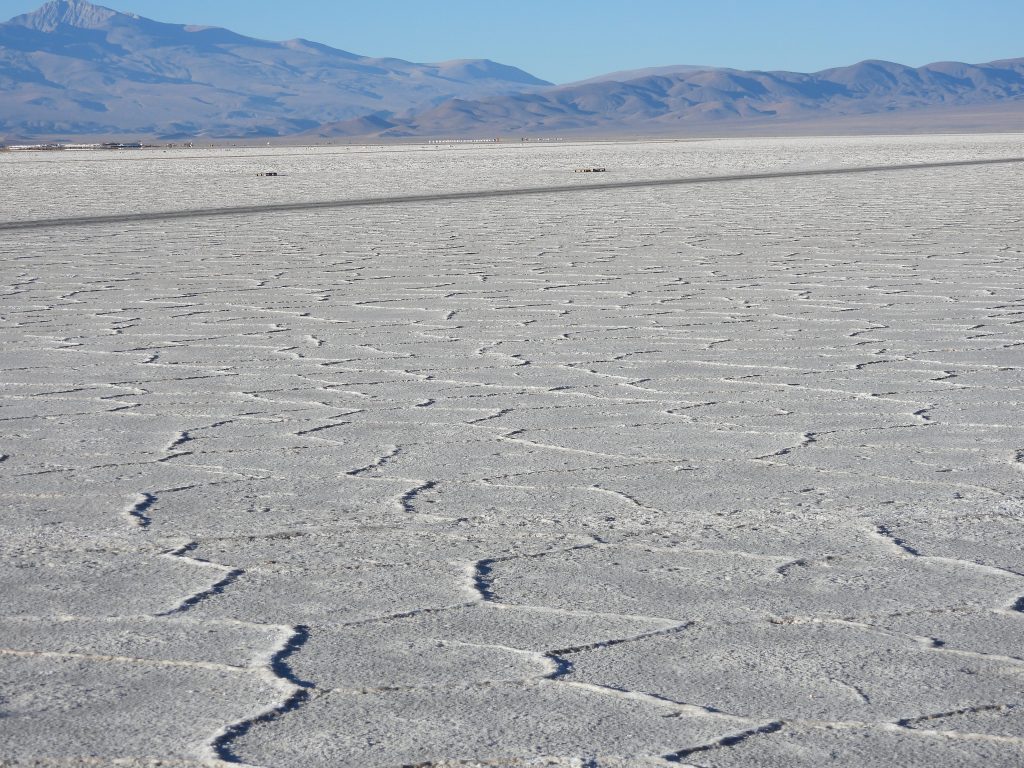
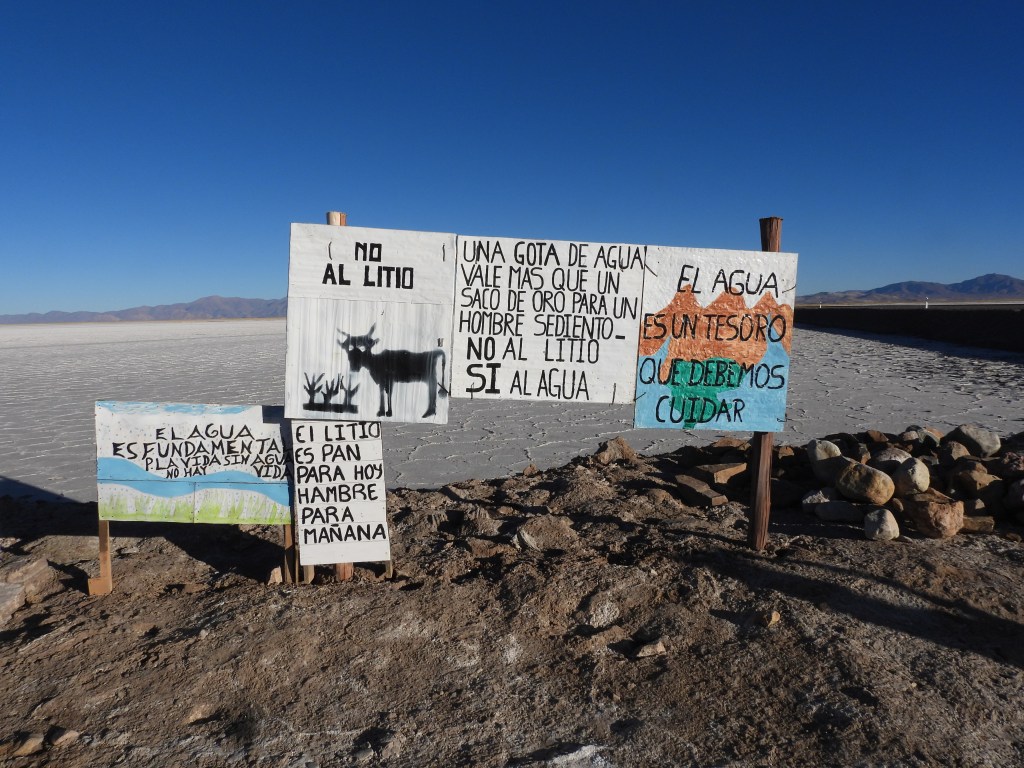
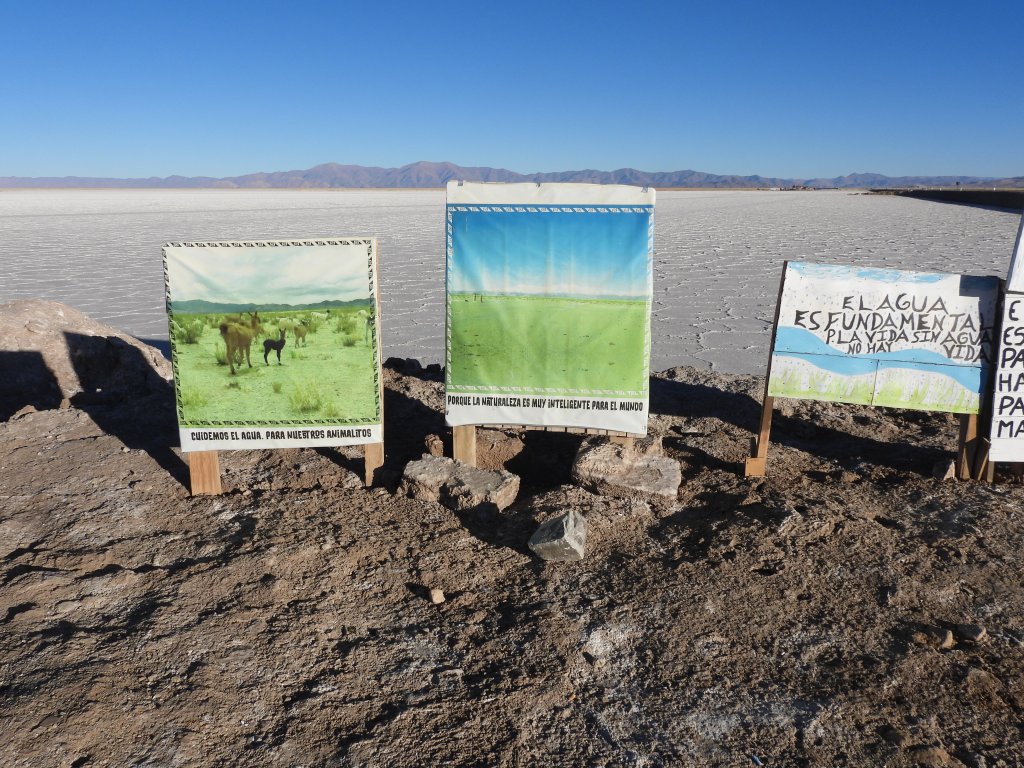
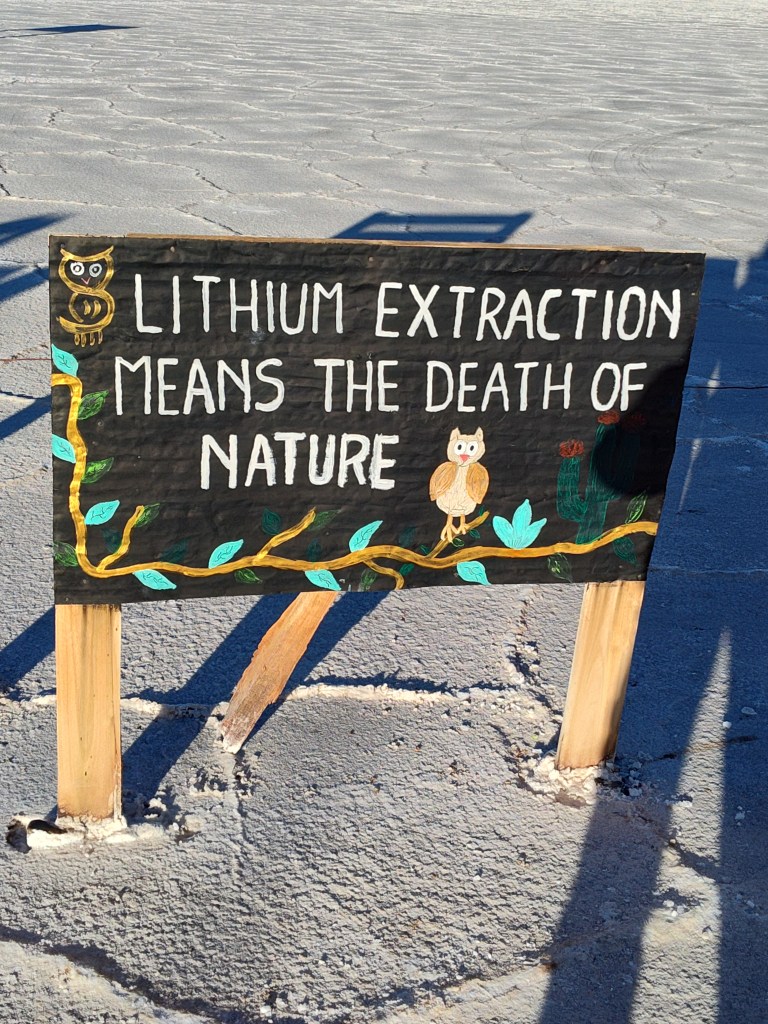
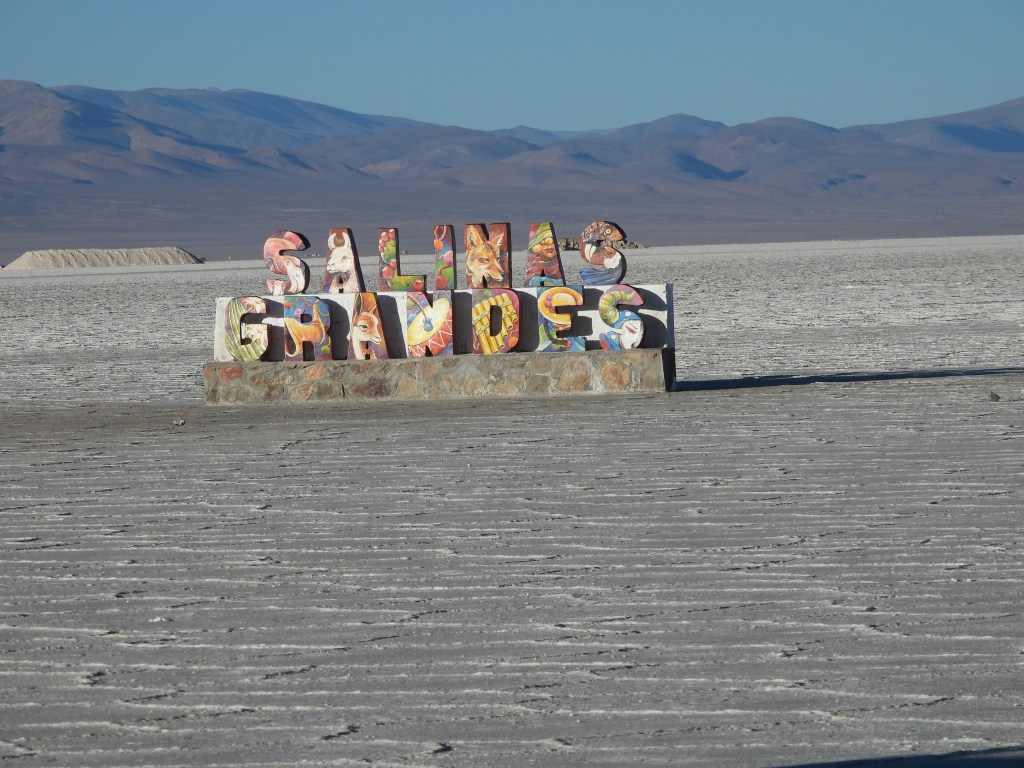
The evaporated salt flats are of course where the fascination begins. At higher altitudes when the Andean sun evaporated the lakes, the remaining salt flats are smooth. We saw our first one, Salinas Grandes in Jujuy Province, Argentina, which was in fact flat with geometric patterns in the salt plains. There were signs reminding us we were at one of the largest salt flats in the world, as well as signs about the dangers of the controversial lithium mining that is still taking place across the salt plains of Argentina. Trucks and workers surrounded the area, as did those trying to make a living from selling goods in the stalls they were just opening up for the day. Many of these workers were familiar with working in salt flats and making a living from it, because they had crossed the neighboring border of Bolivia and it’s Uyuni flats to live and work in Chile.
Overseas Adventure Travel never fails to deliver, and it continued to do so on the maiden voyage of Northern Chile and Argentina: The Rugged North and the Atacama Desert. I was delighted to be part of this new trip and to experience the uniqueness that Nature unfolded before me.
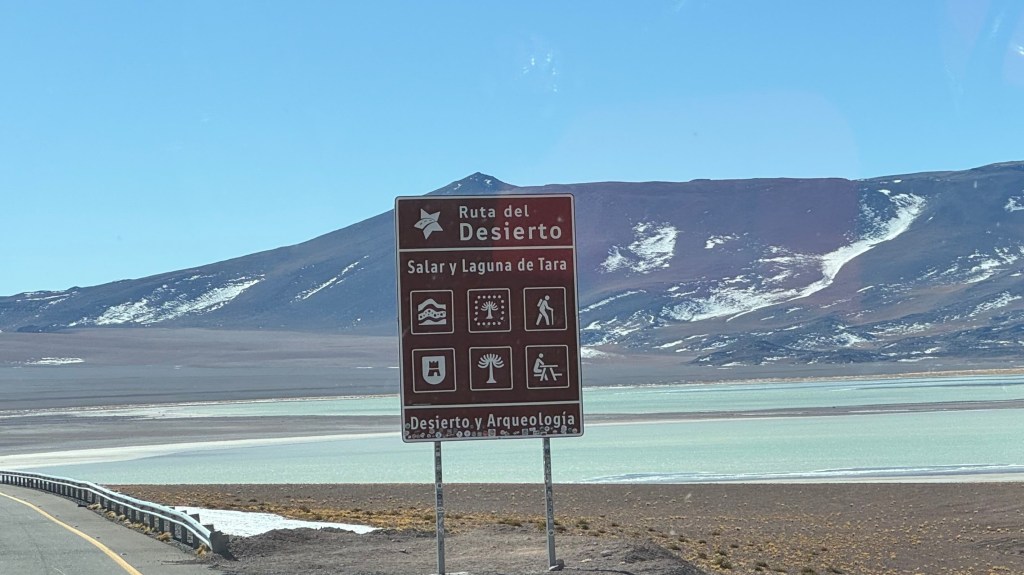
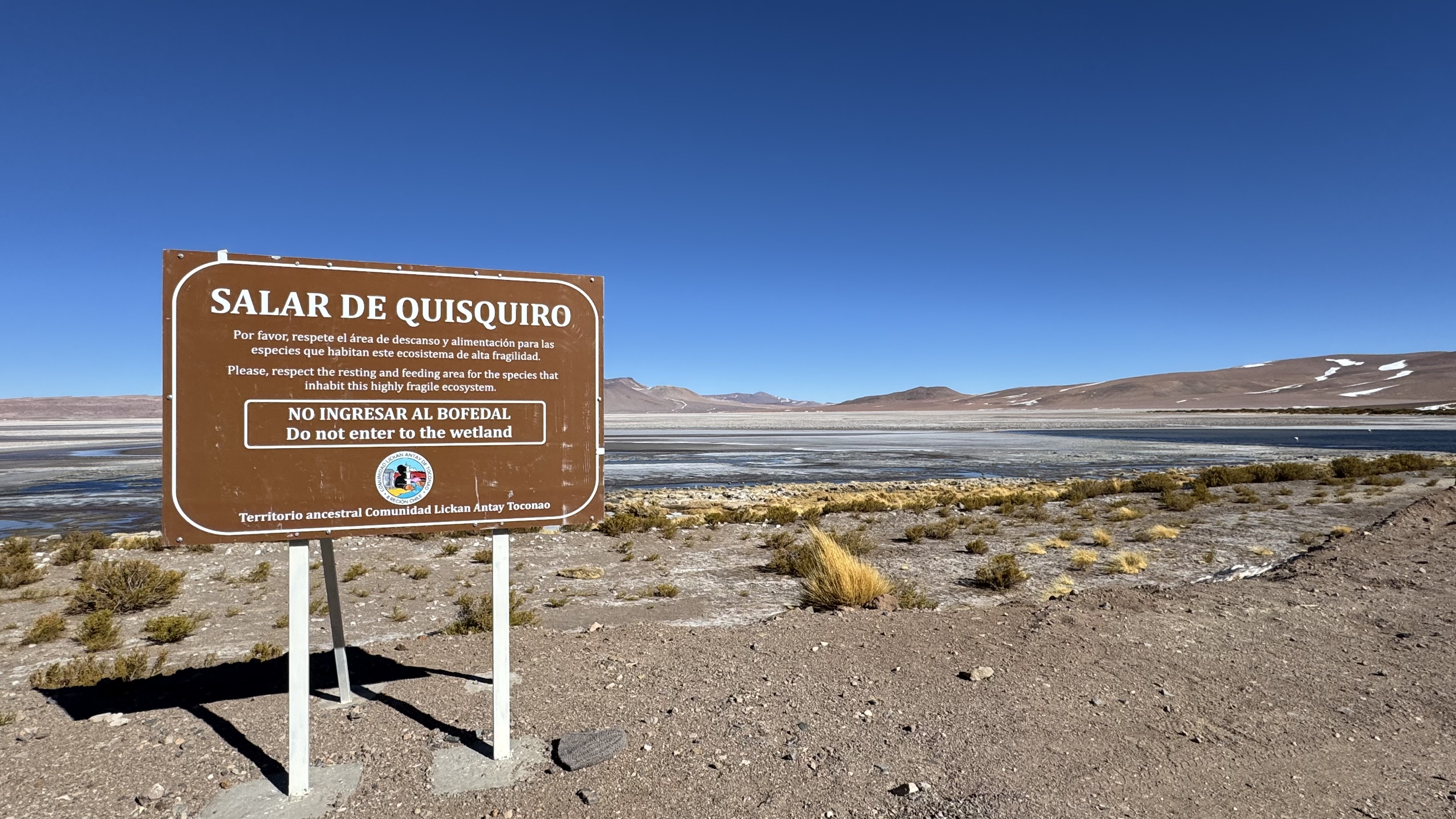 On our way across the Andes from the remote reaches of Argentina to cross the border to get to San Pedro de Atacama, Chile, we saw flamingos in a protected area called Reserva Nacional Los Flamencos. The salt flats there are called Salar de Quisquiro. Being high in the Andes at 14,000 feet (15,800 at the highest as we crossed), we also saw snow along the way from the border. Lots of snow. It was so white everywhere, I didn’t know where the snow ended and the salt flats began, but the area’s mountainous beauty captivated me. Additionally, delightful was the discovery of the big lake, Lagos y Lagunas de Altura. That’s where we saw our first grouping of flamingos, in an area that translates to High Attitude Lakes and Lagoons. We were surrounded by volcanoes, the geometry of the salt plains, snow that was to later melt because we were there during their winter time, and a few miles before it, huge chunks of snow that looked more like a rock quarry because it never melts it’s so frozen. And the area’s indigenous Janes Flamingos were the apple of our camera’s eyes. Nature had truly become a spectacle for weary travelers who had been traversing the Andean highlands since breakfast and looking forward to the adventure of the crossing.
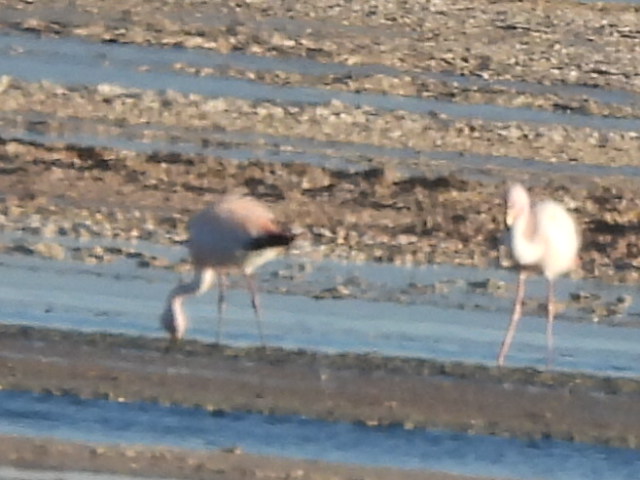
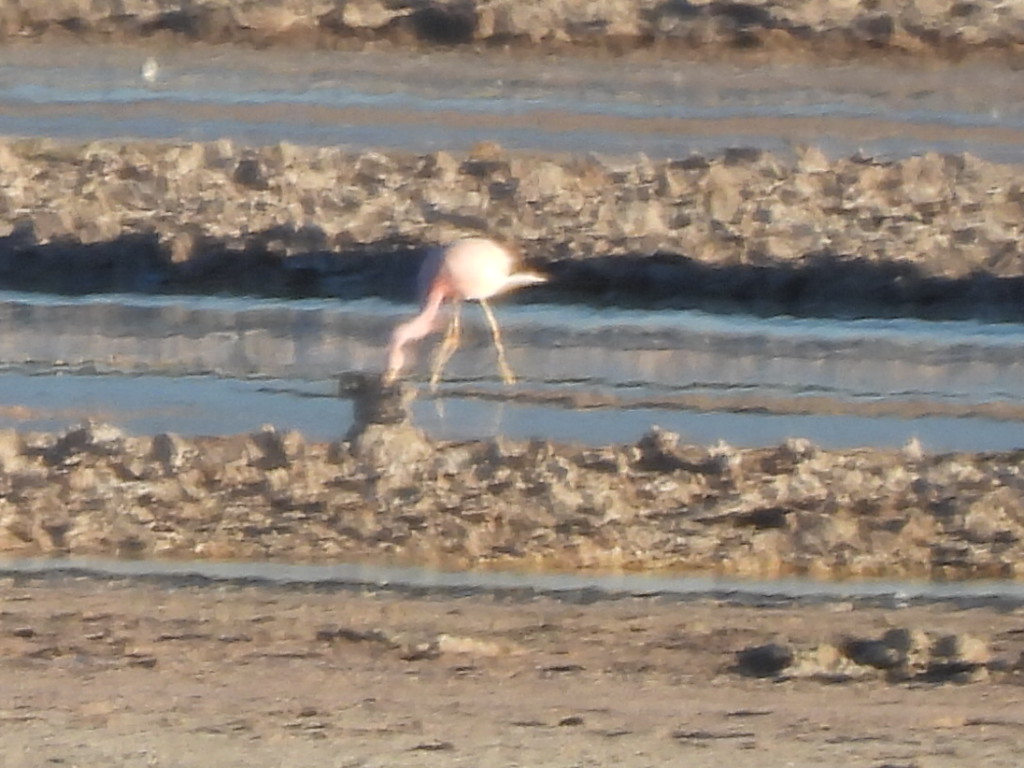

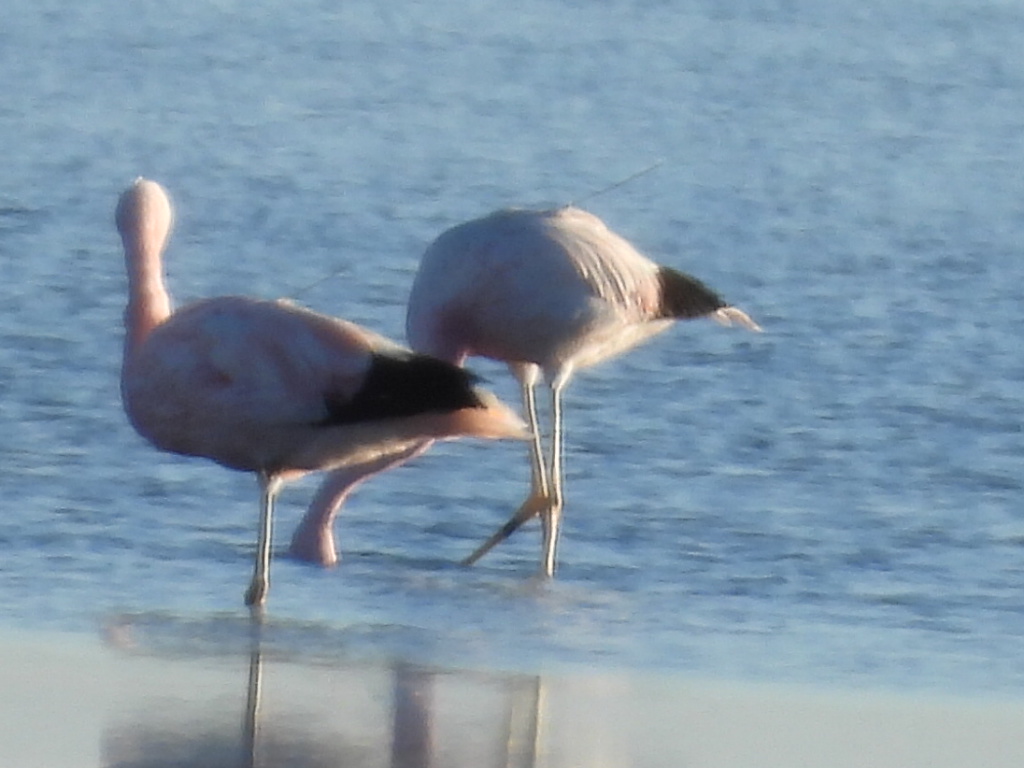


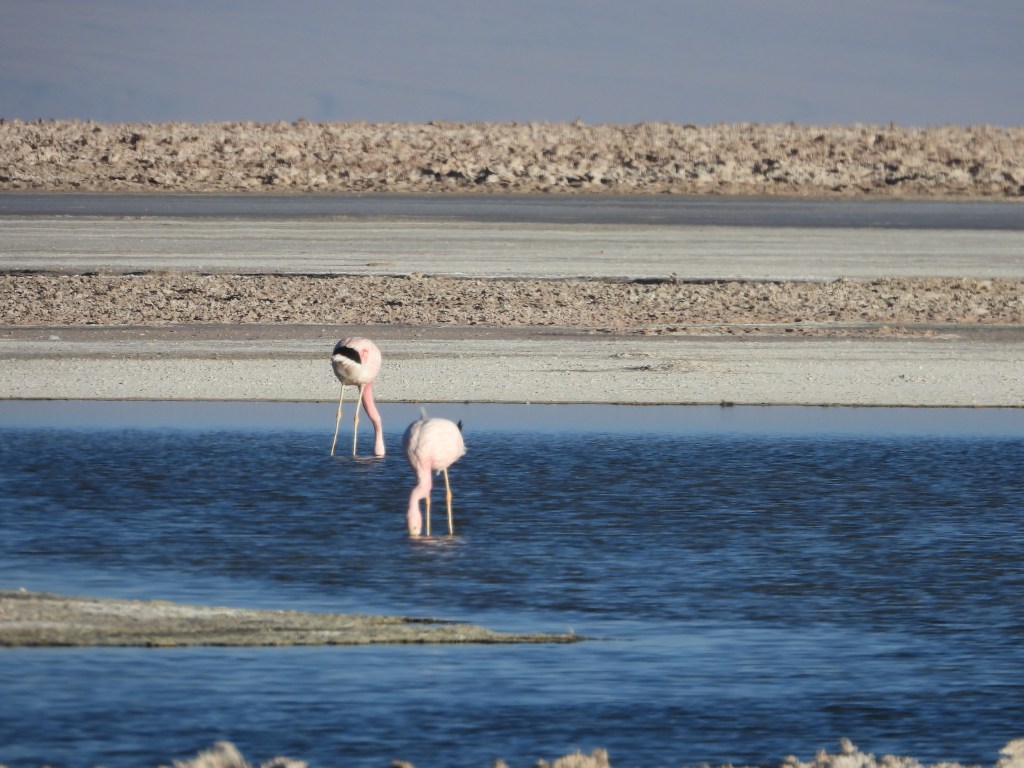

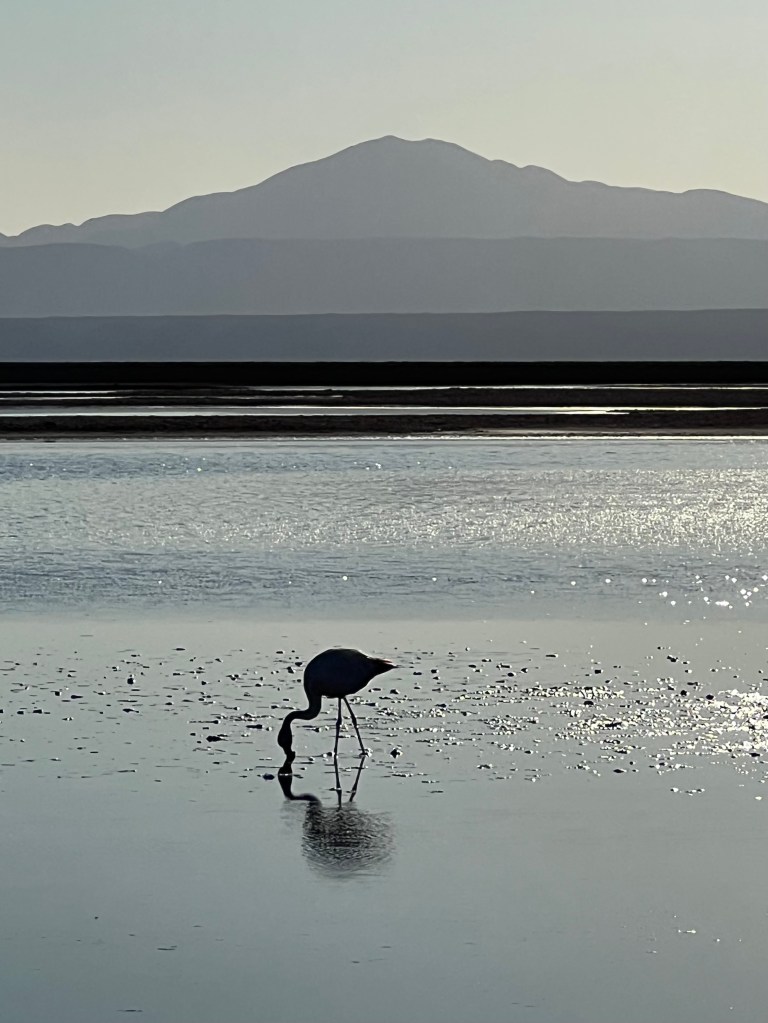
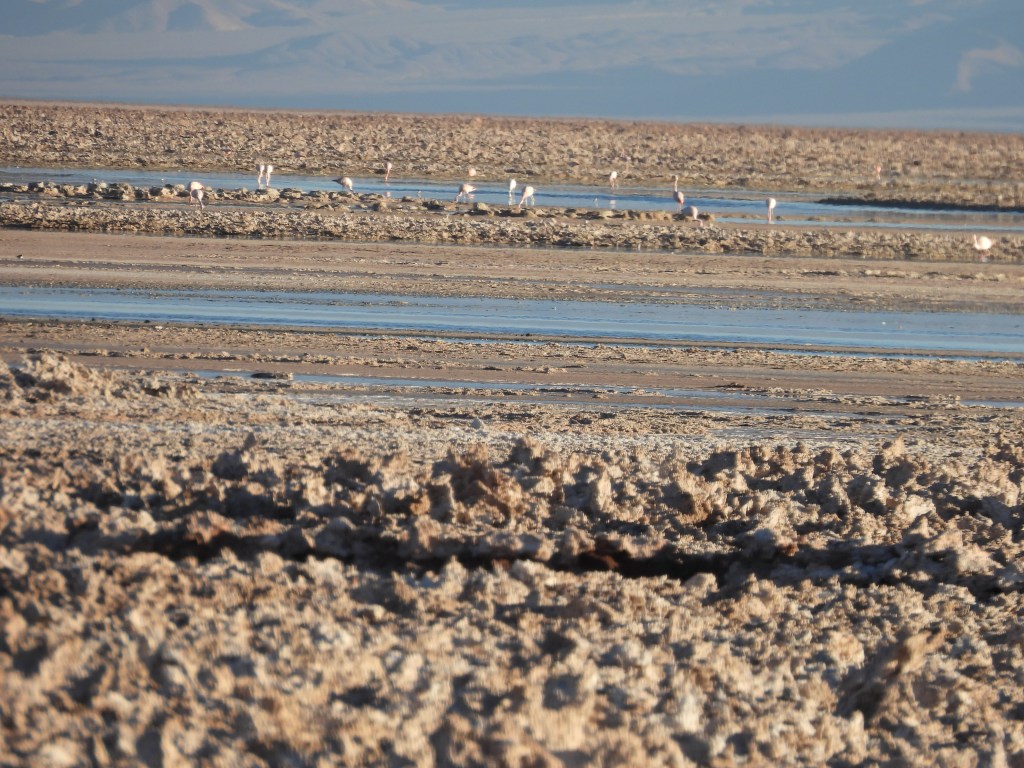
Later, once we were safely nestled in San Pedro de Atacama, about 30 or 40 miles away was the Salar de Atacama, the third largest salt flat in the world. There we explored Laguna Chaxa, a flamingo sanctuary, where we learned in depth about the three species of birds that live there: the James, Andrean and Chilean flamingos. They are attracted to the area because of the brine shrimp in the shallow dark blue lagoon, although they feed on algae as well, and socialize with each other.
This salt flat, being at a lower elevation (in the 7000-foot range) didn’t have flat dried salt as we’d seen before. Instead, it was chunky and rocky but surrounded by the lagoons where the flamingos called home. We hiked the area on wooden planks designed to let tourists enjoy the protected area.
The flamingos themselves are interesting. The James flamingo is pink with red legs and can only be found in the Andes. Named after English explorer Henry Berkeley James who led the expedition on which this bird was discovered, it’s the smallest of the three related Andean flamingos, feeds on algae, and is considered a ” near threatened” species who has seen a population decline. It’s also known as the Puma flamingo.
According to Wikipedia,” the Chilean flamingo is pinker, with a longer bill (which is not yellow), and the Andean flamingo is larger, with more black in the wings and bill, and with yellow legs. The easiest way to distinguish James’s flamingos is by their lighter-colored feathers and the bright yellow on their bills.” All three however, are on the ” near threatened ” list. The Andean flamingo is the largest of the three, has black markings on its back mixed in with the pink, and sports yellow legs.
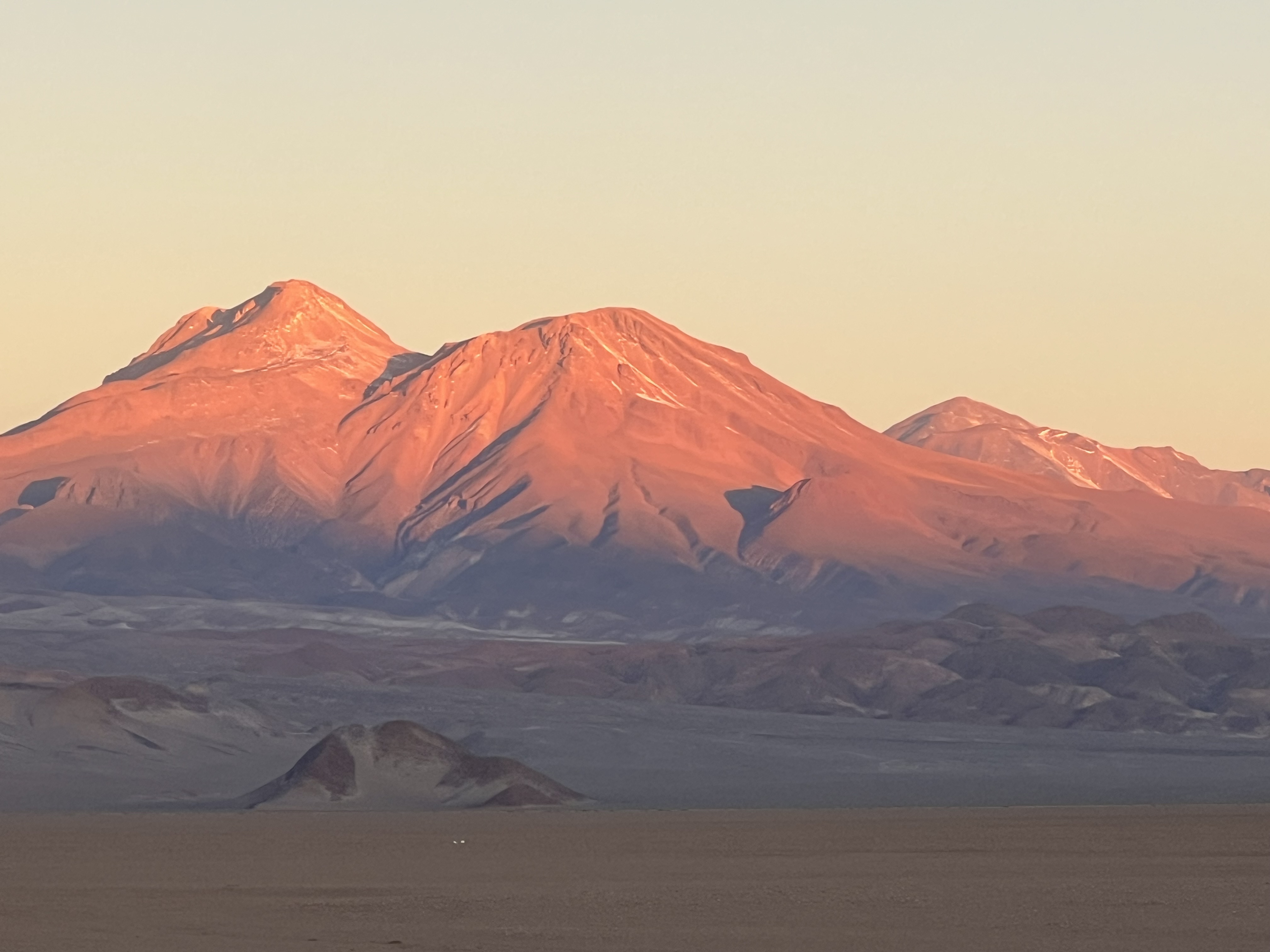 Author Paolo Coelho wrote, “All you have to do is contemplate a simple grain of sand, and you will see it all in the marvels of creation.” And so it is true for the Atacama Desert and the sunsets with their skies on fire that equally illuminated the surrounding mountains, the inferno-like blaze of which gradually faded into the darkness of the night skies. For in the Atacama, a view of the constellations and the Milly Way is the best on the planet, and multiple opportunities abound to enjoy this unique access to the Southern heavens.

Photos by Jann Segal and Martin “Tincho ” Soliani
 Travel the World with Passion