“Waterfalls teach us to let go, to flow freely, and to embrace the journey of life.” – Unknown
“Let Brazil’s spirit inspire your journey. Unknown
 When I took the trip Brazil in Depth with Overseas Adventure Travel, we encountered the assorted variety yet distinctly unique nature that is Brazil. From Rio de Janeiro, the Carnival, the Samba, Bosa Nova, the Amazon, the Pantanal, and beyond, we truly embraced the spirit of the country. In between our visits to the Amazon and going down the Rio Negro for three nights, to our three nights jaguar-free in the Northern Pantanal, we spent two nights in their capitol city, Brasilia. At the end of the trip, we spent three nights as a post-trip extension in Iguazu Falls. Every stop along the way reminded me this was an exceptional, energetic, and vibrant country.
When we arrived in the capitol city of Brasilia, we experienced a unique city, built in the late 1950s which replaced Rio de Janeiro as the Capitol in 1960. It is the third most populous city after Sao Paulo and Rio de Janeiro. It was developed by Lucio Costa, Oscar Niemeyer, and Joaquim Cardozo in 1956, but the principal architect was Oscar Neimeyer, who also designed the United Nations building in New York. Others participated in the development of this city but his was the name we heard most often.
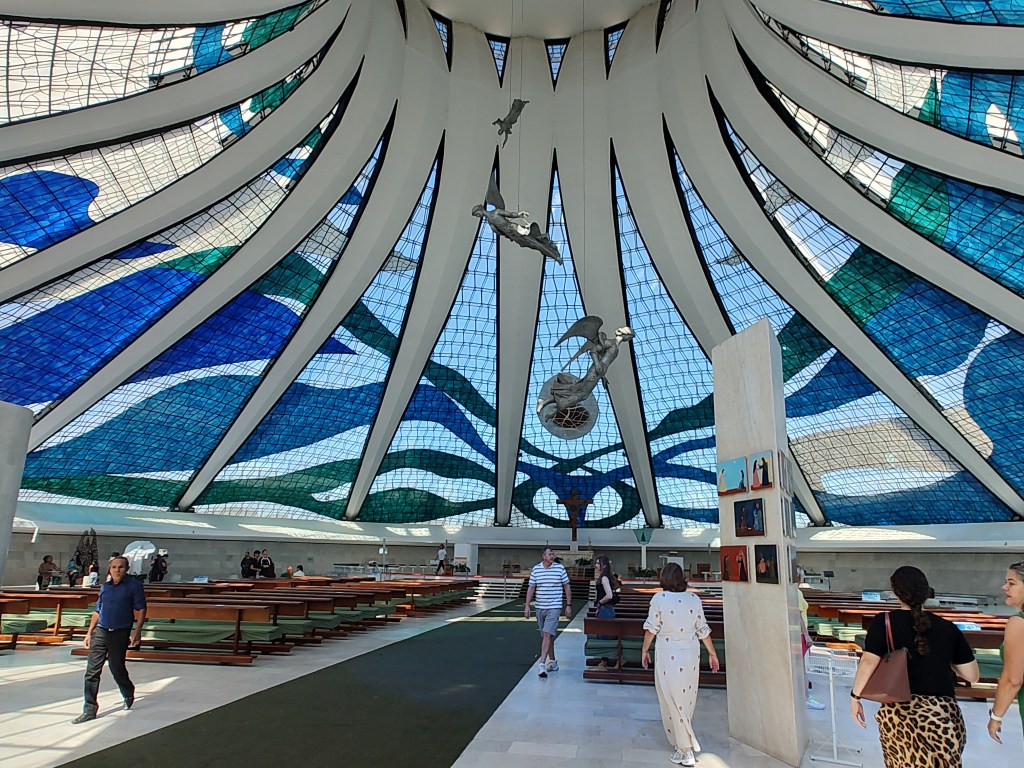
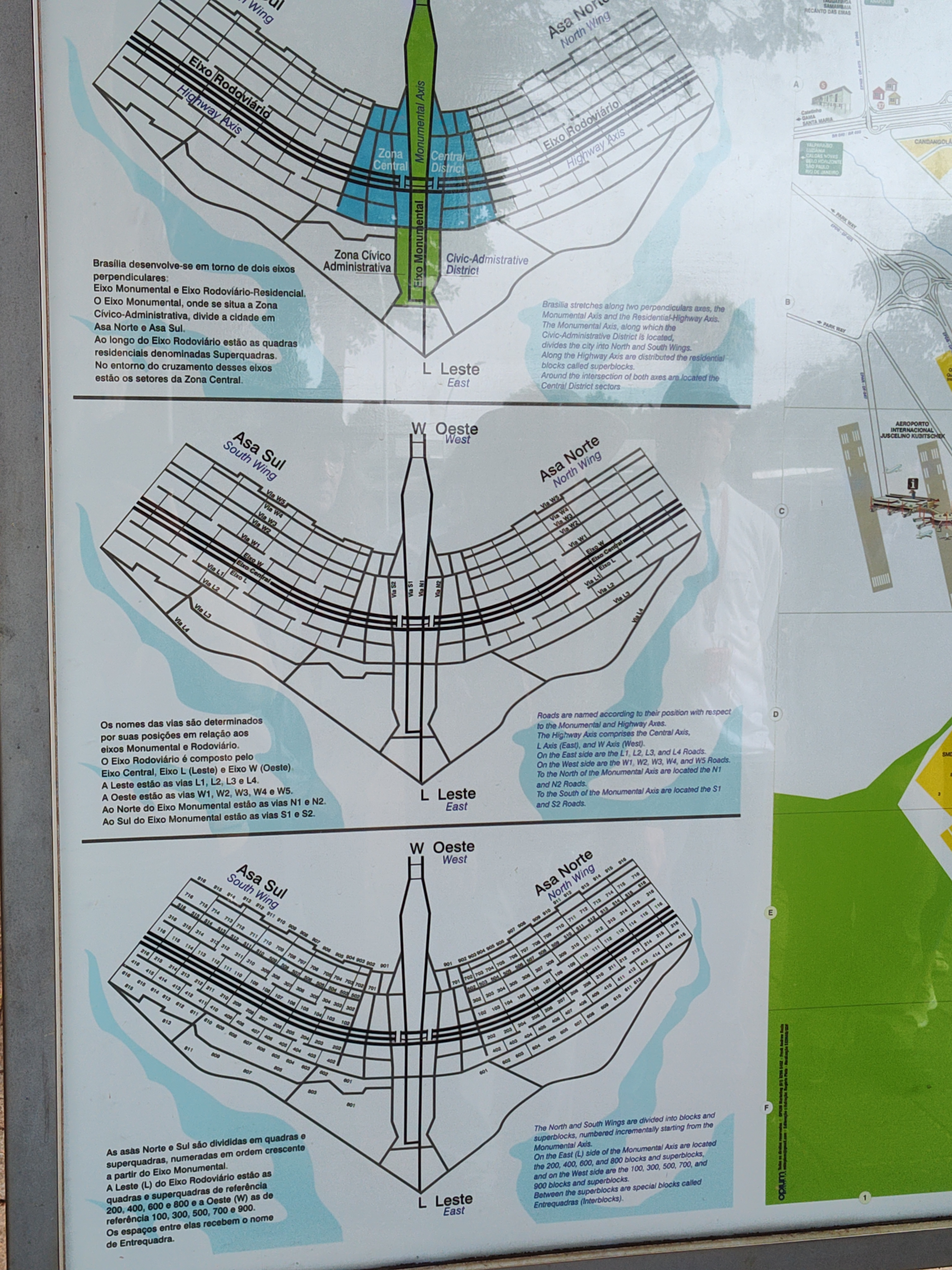 Brasilia was designed like the fuselage of a plane, with numbered blocks of buildings in the north and south, other parts of the city are in the center. It is like Washington, DC in that its primary purpose is the administration of the government. We saw beautifully designed government buildings, as well as two very uniquely designed churches.
They have a lake with modern bridges comparable ot Tokyo, and rowing is common to watch the afternoon sunset. But the lake area is additionally beautiful because of the unique bridge.
Architecturally, everything was pre planned, including substantial amounts of green space. I had hoped to visit a museum there, but the museum did not hold interest to me since the permanent collections have been removed and they just have temporary exhibits, as well as being strictly in Portuguese.
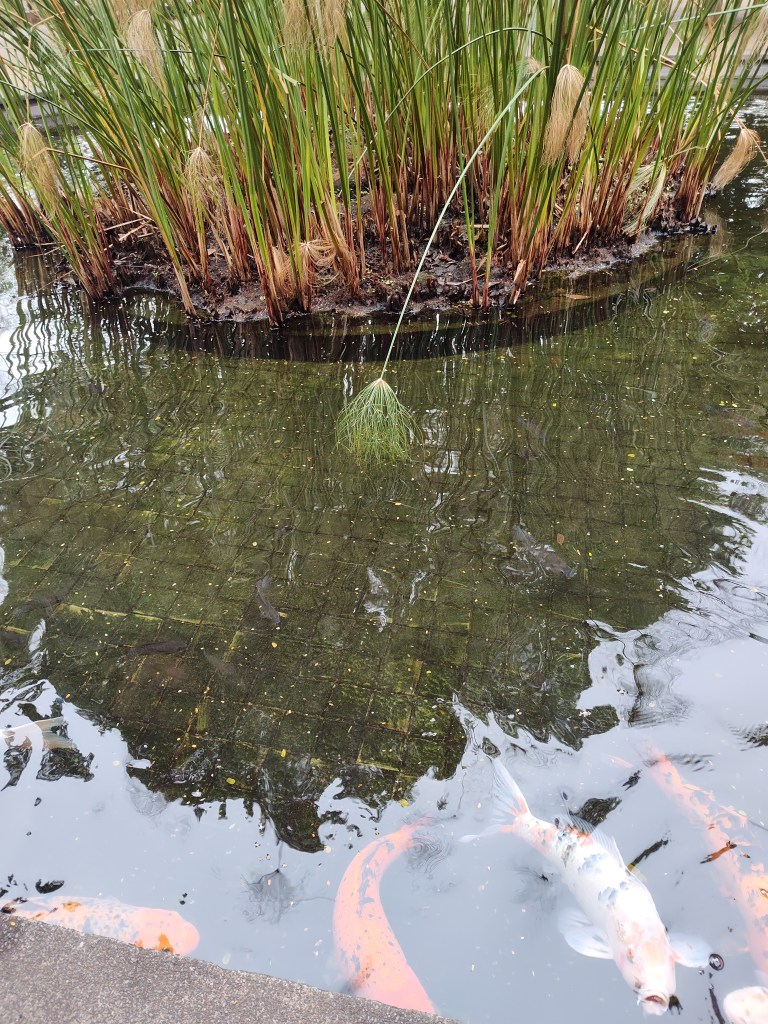
The city has about 3 million people, and little traffic because of how it was designed, with a public transportation center being at the hub of the city. It has a high quality of living, and among South American cities it has the highest GDP per capita. In the main federal part of the city, the residents are well off; in outlying satellite parts of the city, living is more affordable. Most of the residential housing we saw were in condominium -like developments with the kind of condominium living requisites we are familiar with in the United States. But the housing seemed all adorned with the afore -metamonad ecologically friendly green space, one even including koi fish in a pond. Our itinerary nestled Brasilia in between the magic and beauty of nature, and the Samba rhythms that still prevail in Rio de Janeiro and Copacabana.

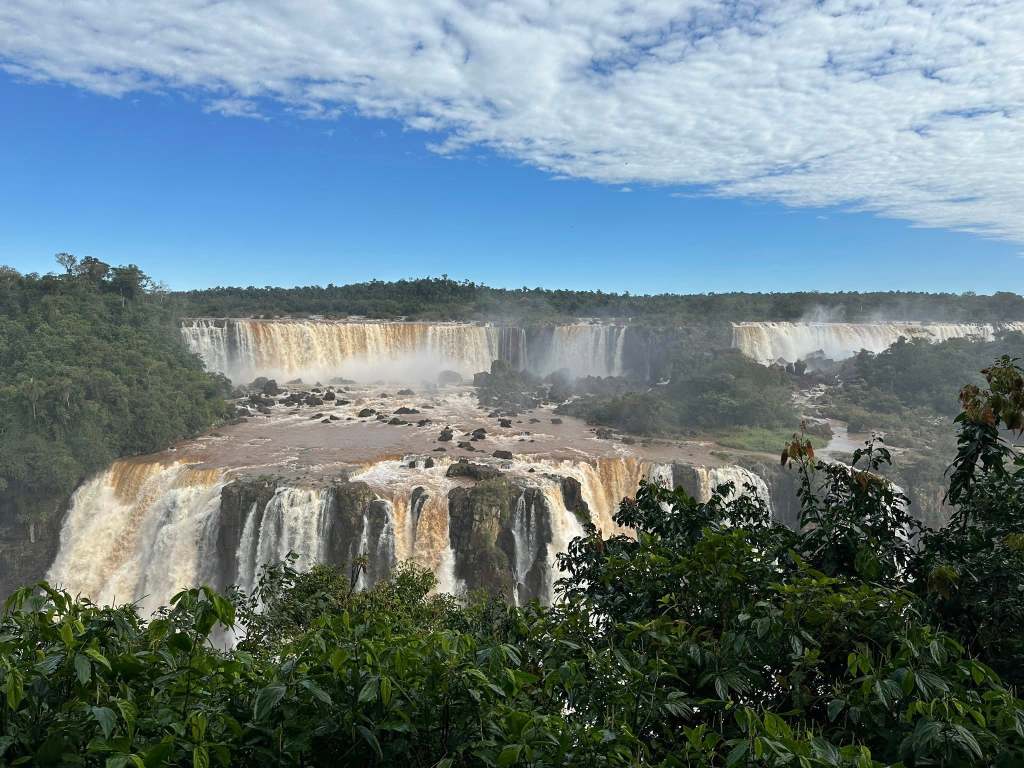
The post-trip to Iguazu Falls is a tribute to the multi-faceted nature that adorns the country at every turn. I have seen some of the great waterfalls in the world, but the one that beats them all is Iguazu Falls.
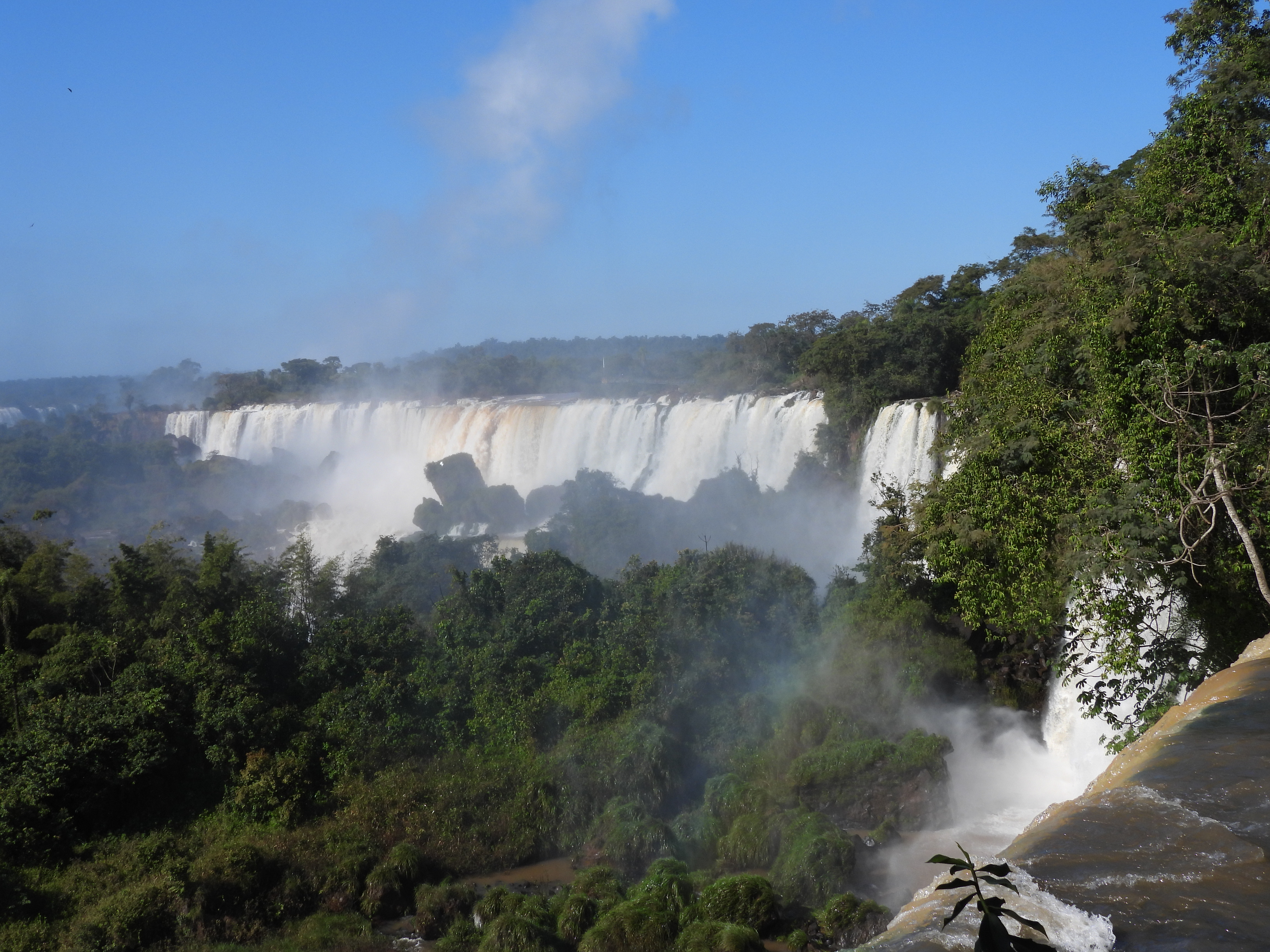 The Iguazu falls are the largest waterfalls in the world, and run between Brazil and Argentina, with the Argentina border being in a part of the falls known as Devils Throat. They are the waterfalls of the Iguazu River, which divide into the upper and lower Iguazu River.
The falls consist of two national parks in addition to the division of the rivers. The Foz de Iguazu is the park on the Brazil side, the Puerto Iguana is the park on the Argentina side. They became national parks at separate times; 1939 for Brazil, and 1934 for Argentina. Collectively however, they were declared a UNESCO World Heritage Site in 1984.
 We flew to Iguazu from Rio de Janeiro and saw the falls on the Brazilian side on land after having first seen them from a helicopter. Several in our group asked for the helicopter ride over the falls, so I joined in since I had never been in a helicopter, and the price was about $136. It was a ten-minute ride, and we saw both sides from afar.
The falls are so vast and mammoth, you do not get the perspective from the air that you get on land. Paraguay was off in the background, a treat we also enjoyed from our hotel on Argentina, which was on the border of Brazil, Paraguay, and Argentina. One comment made about the helicopter experience was that the falls were so massive and powerful that the helicopter really could not get lower, which would have afforded us a more dramatic perspective. But we got all the perspective of more intensely vivid lookouts I could have ever imagined when we walked the different circuits on land in both parks.
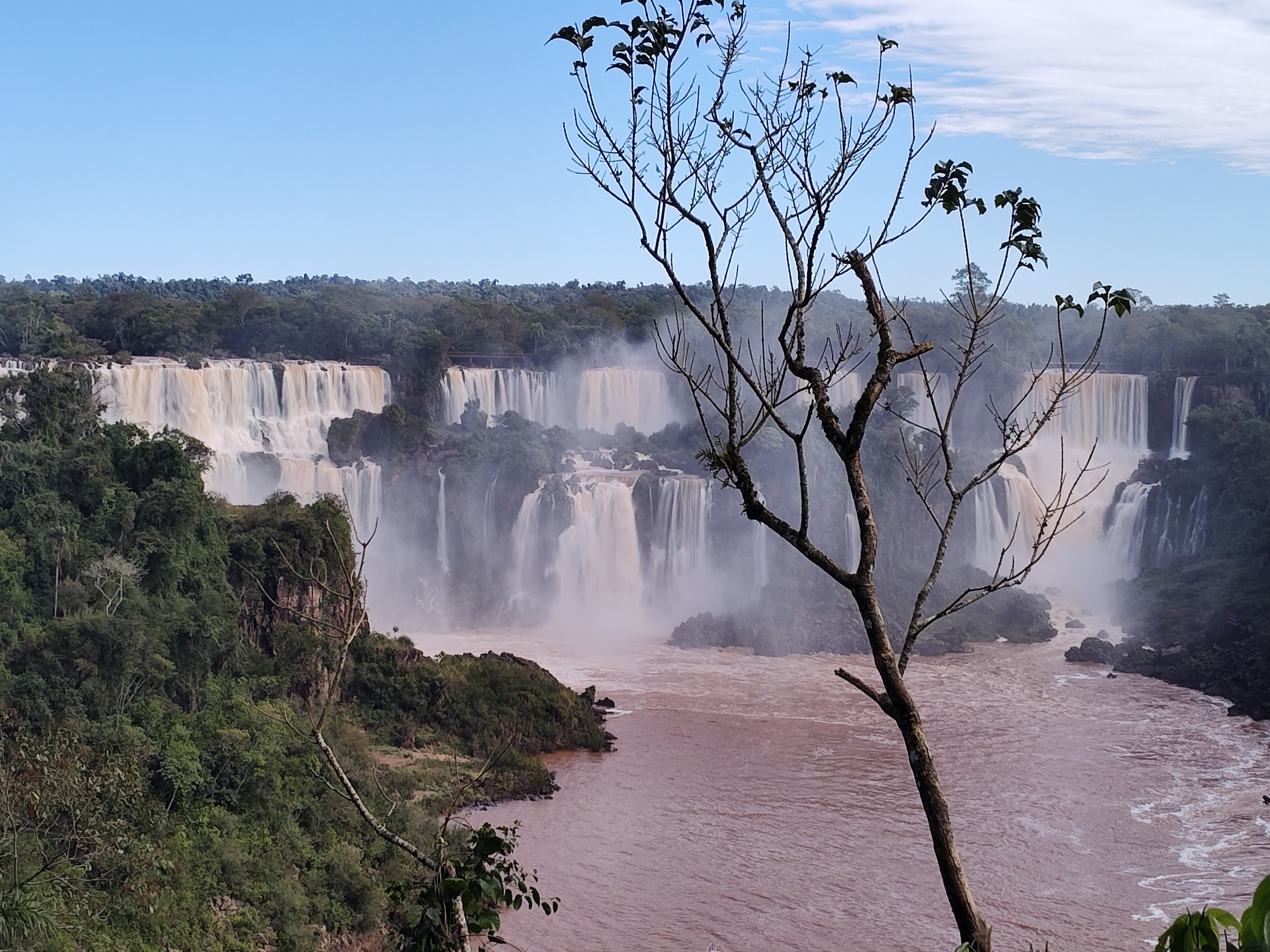 I was convinced initially that the Brazilian side was the better of the two, with dramatically large yet typical waterfalls plummeting and crashing to the ground. There were photo opportunities and rainbows at every turn, on an easily walkable concrete path. One has the choice to walk the path along the falls until it ends, or to walk out on a bridge in the middle, which is the embodiment of getting wet. I opted for the former, but both require you to go up an escalator to a food court area before exiting the park.
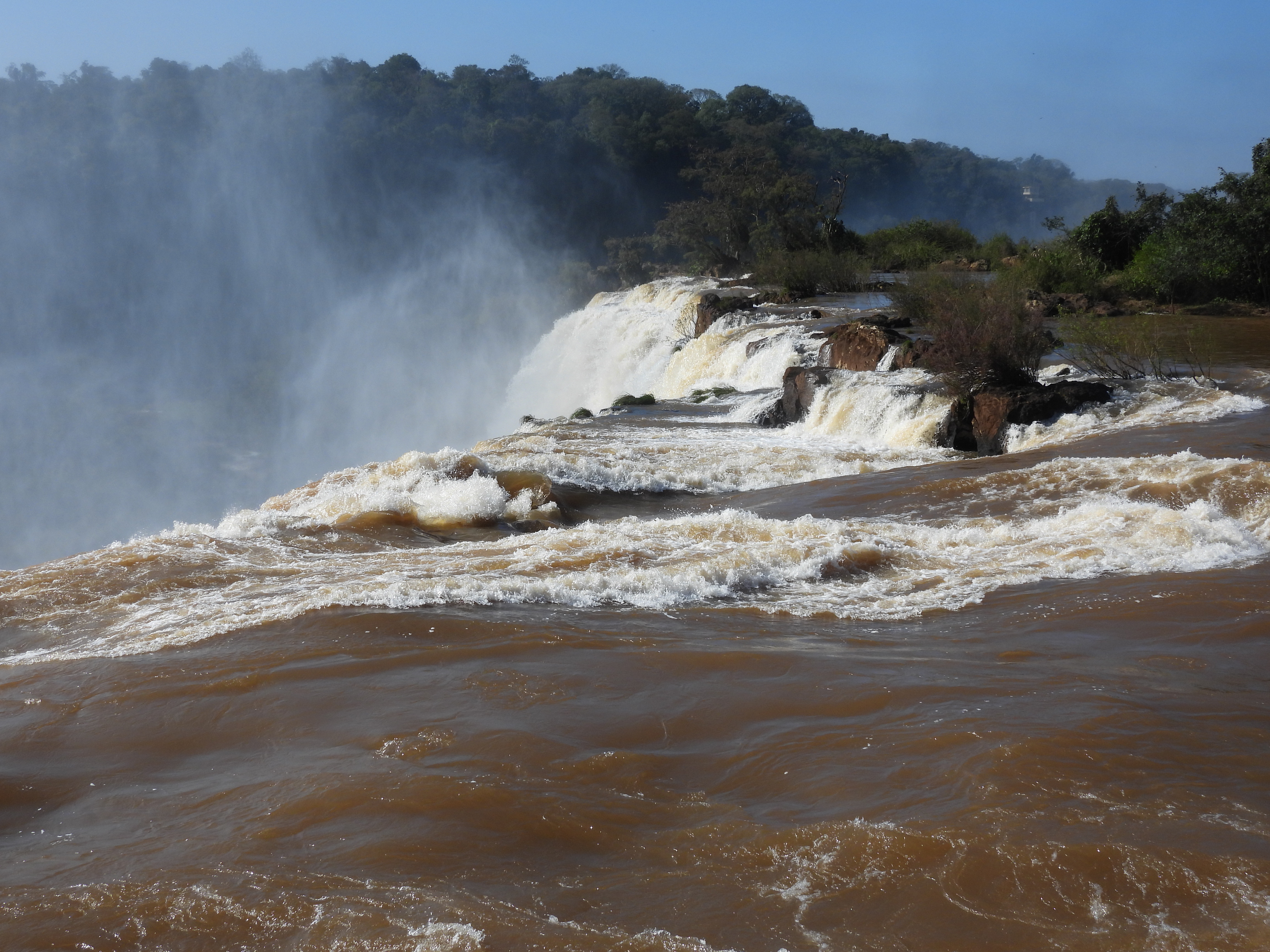 Once I saw in the following days what nature provided on the Argentinian side, my view changed instantly. Devil’s Throat on that side is so wet and wild, nobody could stay there for long without getting soaked, even with ponchos on. The Brazilian side looked like a more traditional series of waterfalls, Butt the multiple circuits on the Argentinian side eventually looked like the kind of waterfalls I’m used to seeing, but on a scale so much more grand, massive and dramatically spectacular than anything I have seen in the world. They are truly breathtaking and astonishing in their presence and roaring thunderous sound.
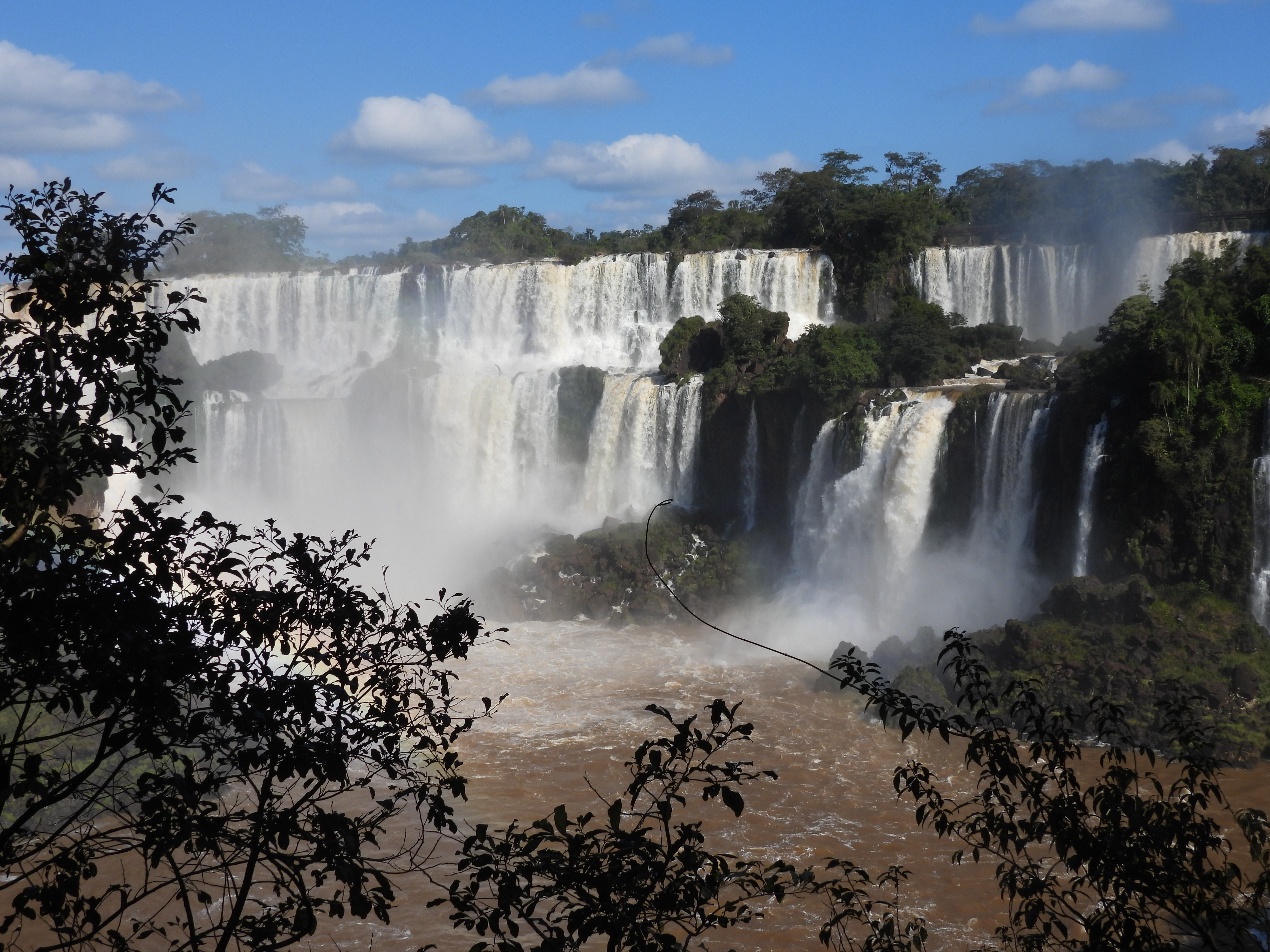 I concluded that the two sides were just different, each striking in intensity, and arresting in their essence. There are somewhere between 250 and 275 falls total between the two sides. The variance is based on each river’s water levels and if the water is active enough to combine two falls into one in any part of a given circuit. Walking is not as easy on the Argentina side, since the paths aren’t necessarily all concrete, and the water makes them slippery.
Overseas Adventure Travel offers this extension as either a pre-trip or post-trip in several of their South American offerings. If you have been fortunate enough in n life to have seen Niagara Falls in New York/Canada, or Victoria Falls in Zimbabwe, do yourself a favor and make the effort to experience this astonishing work of nature.
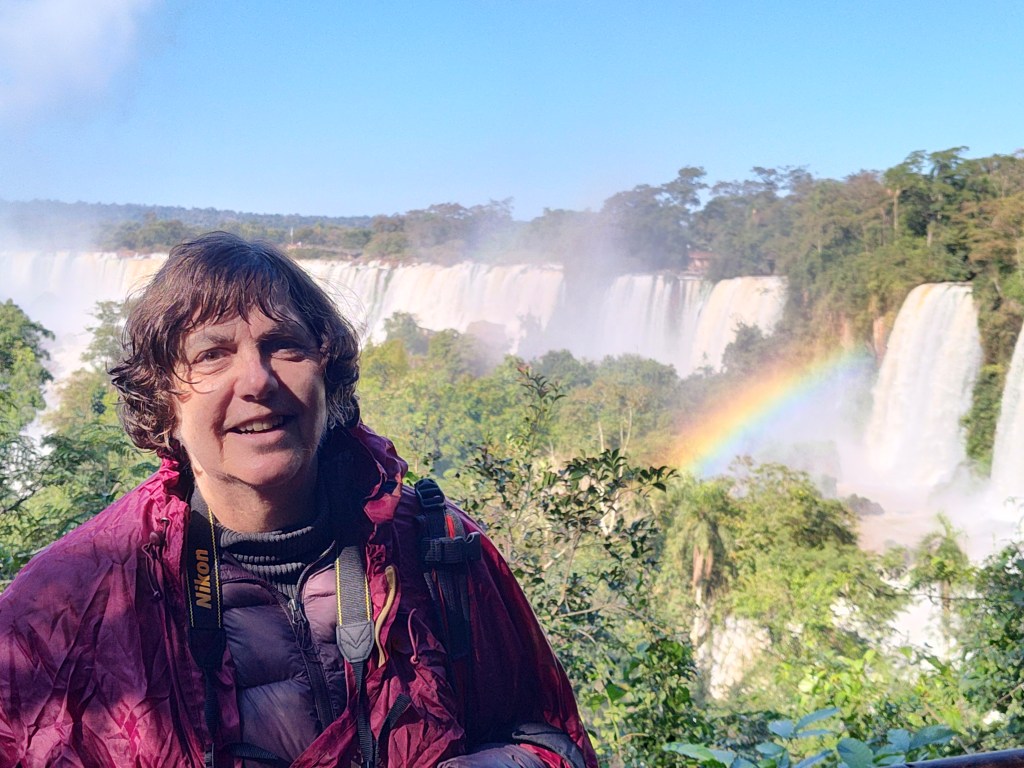


All Photos Jann Segal Except Where Noted
 Travel the World with Passion