 “History is a merciless judge. It lays bare our tragic blunders and foolish missteps and exposes our most intimate secrets, wielding the power of hindsight like an arrogant detective who seems to know the end of the mystery from the outset.”
American author David Grann from Killers of the Flower Moon
 History can indeed be unforgiving. As we travel the world and keep our minds open to history, we can learn about the forgotten passages of time and be reminded of the faults and tragic missteps of humanity. This sobering thought was much on my mind when I took the otherwise delightful trip with Overseas Adventure Travel, French Impressions. But World War Two, and France’s part in it, was not a high watermark in history. We had several stops along the way that were necessary reminders of the French Resistance and the breakaway Vichy government.
As someone who has studied World War Two extensively, particularly genocide, I confess I don’t think of France as a “place of agony” as it was called in Obradour- Sur-Glane after signs were posted near the bombed-out church that killed the town’s residents during the war. Certainly, many countries suffered. But this small commune’s suffering has been preserved for the world to see not far from Limoges and on the way too Limosin. It was a stark reminder that there is more to see in this part of France than its museums, fine porcelain, and beautiful chateaux.
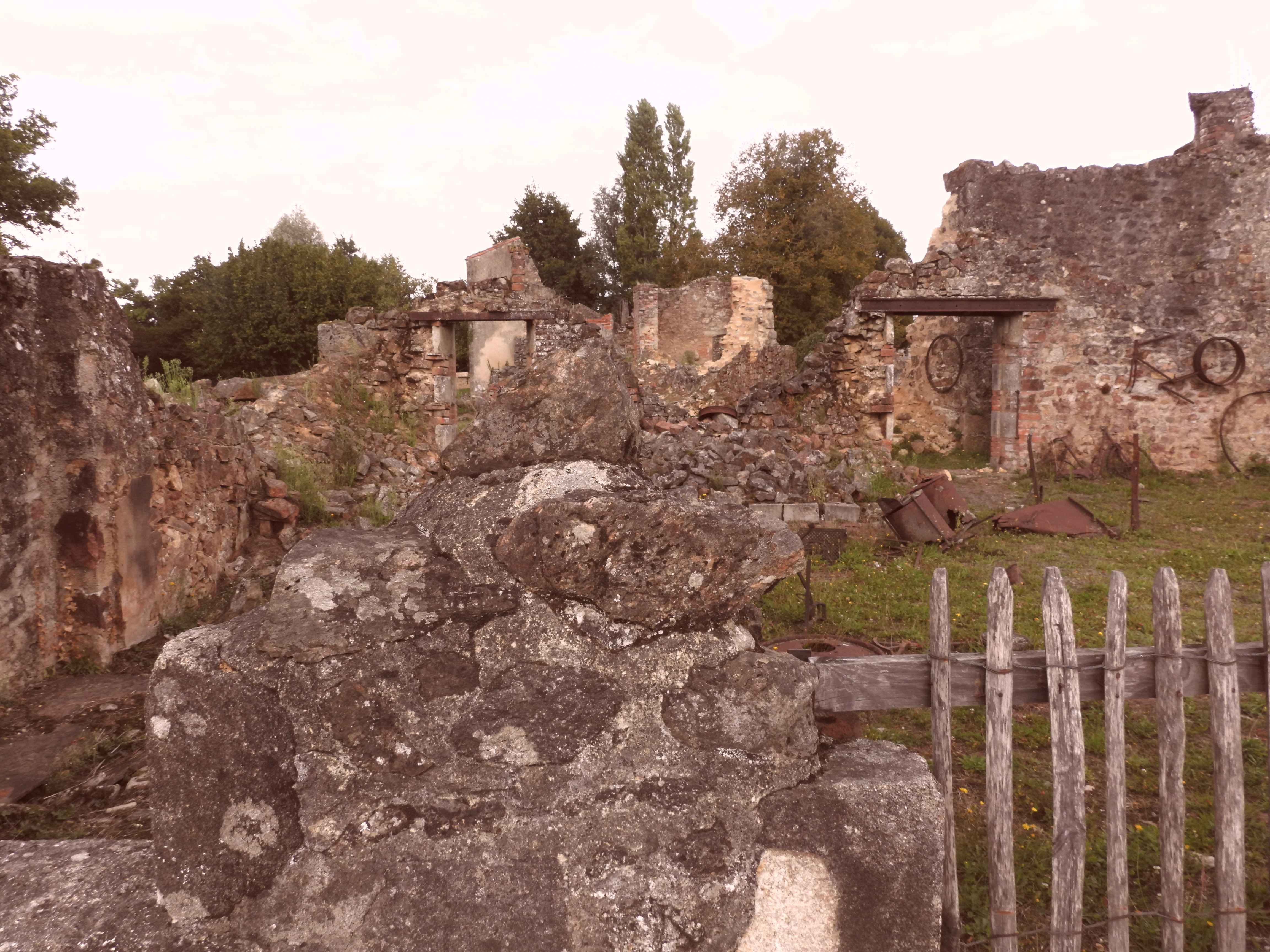
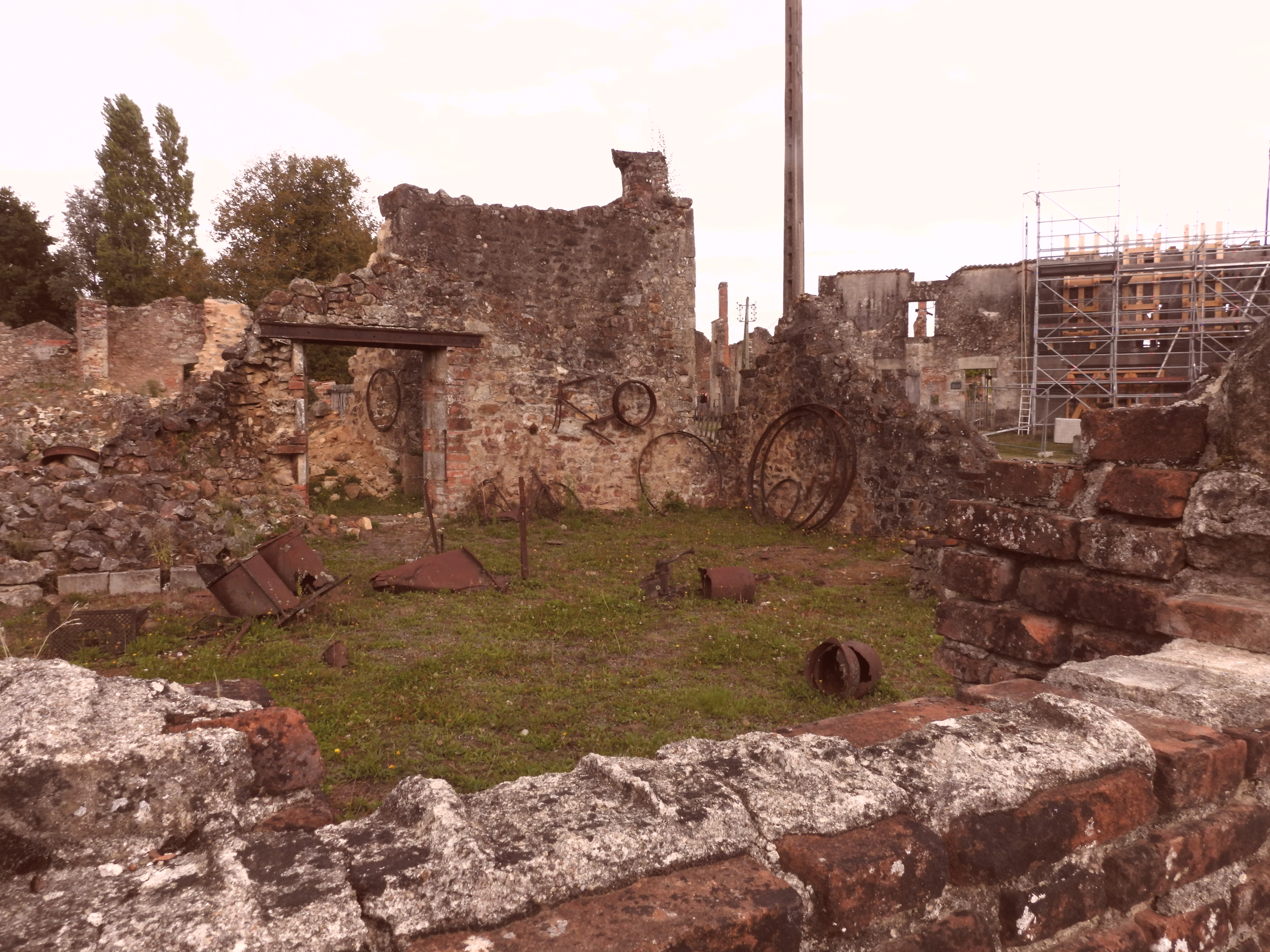
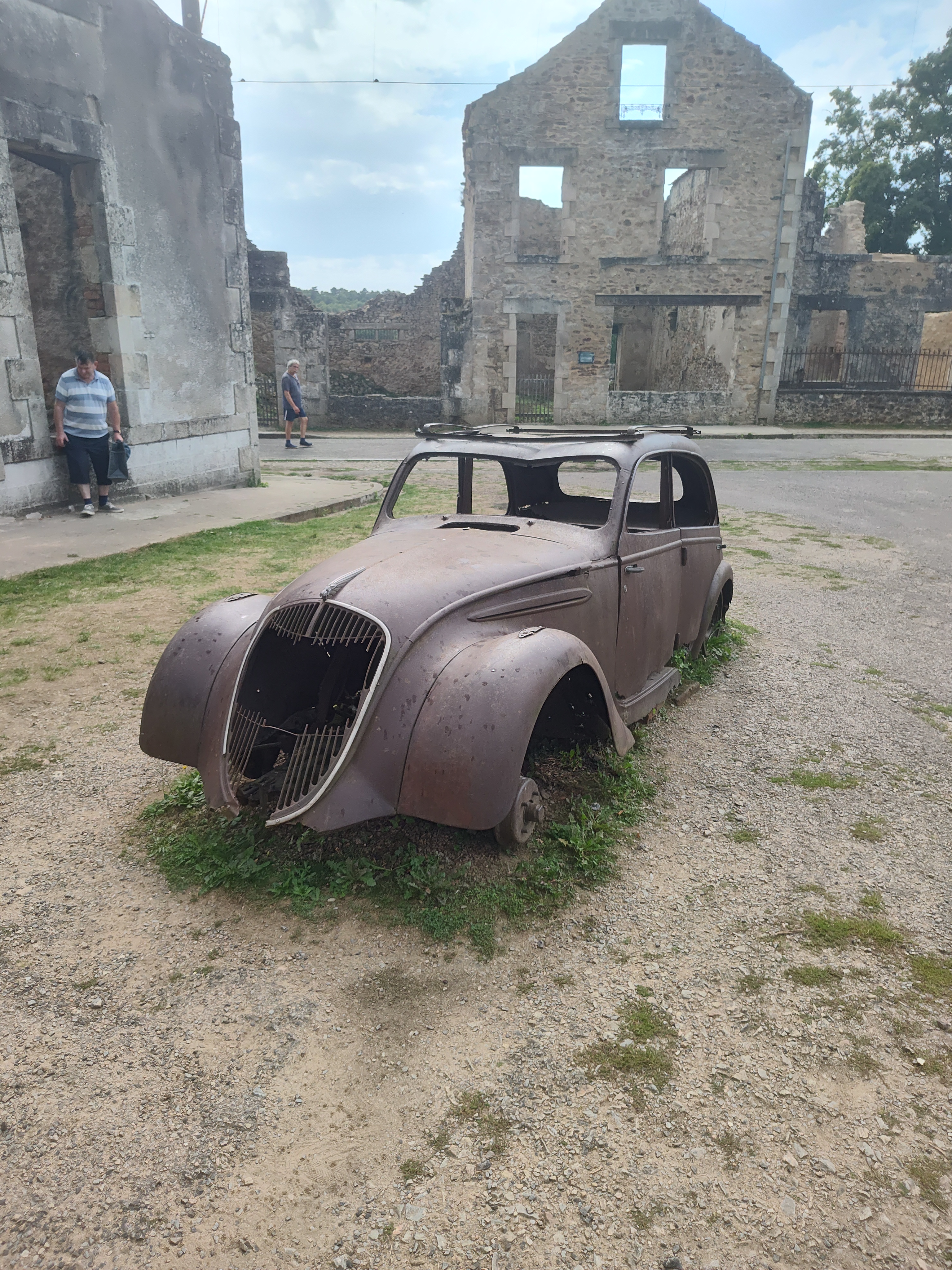
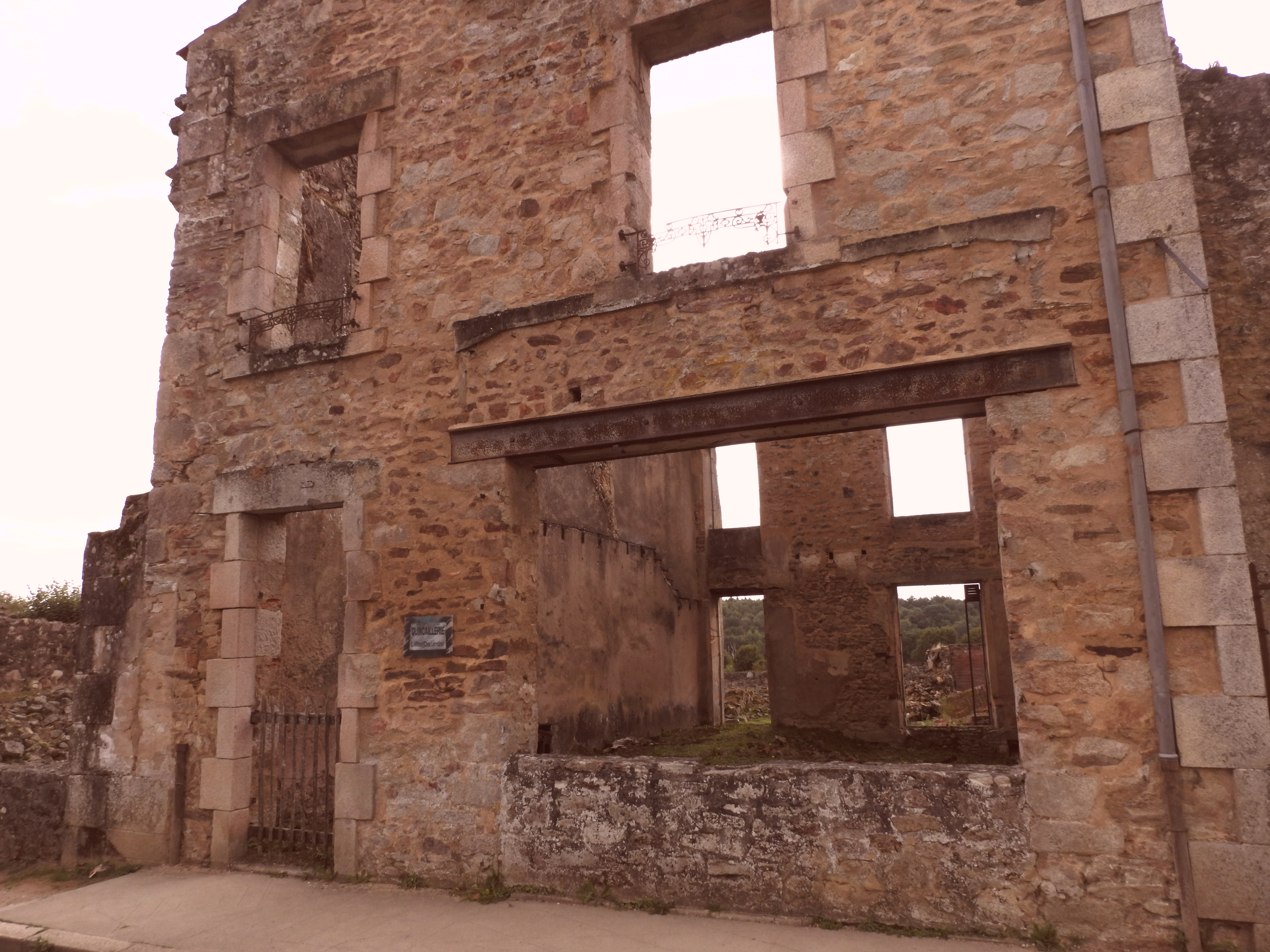 The most sobering of these stops was to see the memorial of Oradour-sur-Glane. I had no idea it existed, or that the Germans had bombed and killed ordinary citizens in an attempt to retaliate against the Resistance. The bombing occurred four days after the Allied troops invaded the beaches of Normandy on June 10, 1944. The memorial that remains is really as graveyard of old homes, broken down automobiles, and empty streets. Former President Charles de Gualle, the former head of the Resistance, wanted it to remain intact as a reminder of the ravages that occurred during that time.
 640 innocent people were killed (including 245 women, 207 children and 190 men), and only seven escaped with their lives from this town in the Haute-Vienne Department, Nouvelle-Aquitaine in west central France. The Nazi commanding officer had really wanted to bomb Oradour-sur-Vayres, which was well known for providing arms, food, and comfort to the Resistance. But a wrong turn by the Nazis fueled by misinformation led them to the wrong village, where none of the villagers were part of the Resistance, known as maquis. And what was left from that tragedy is what we saw after lunch on the way to Limoges. The Nazi commanding officer, who was himself killed just four days later, was first battalion commander of the Waffen-SS Sturmbannführer Adolf Dickmann. Most of his fellow murderers were also killed by Allied forces.
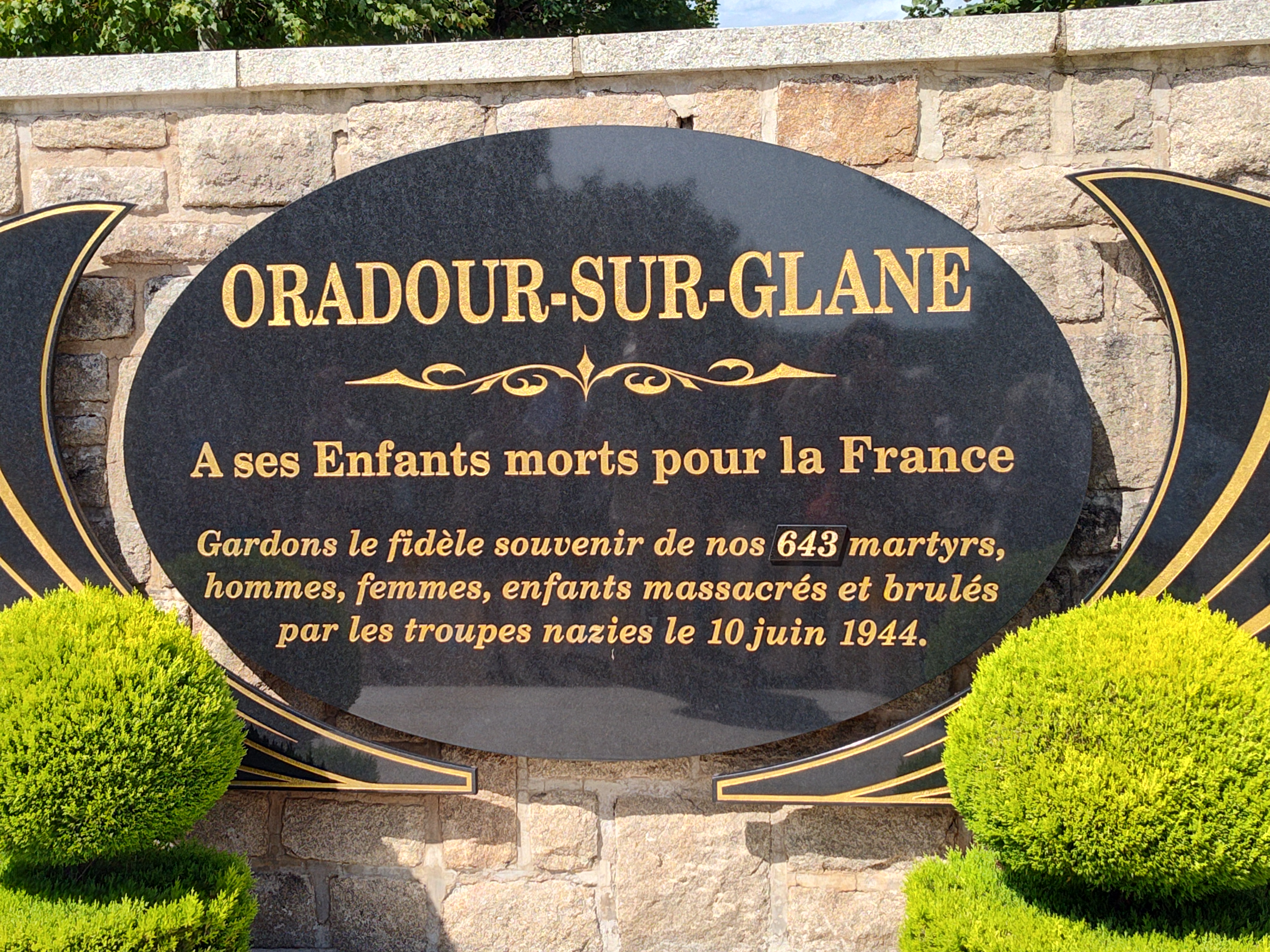 Very little has been written about the real target, Oradour-sur-Vayres, But in 1953 Time Magazine had an article about the massacre at Ordour-Sur-Glane and a trial that followed. According to the trial, where one of the escaped children attended as witness, thirty men were taken hostage, and the women and children were taken into a church which was later bombed. 150 Nazi soldiers had participated in the massacre, but only 21 could be found for the trial held in Bordeaux in 1953.
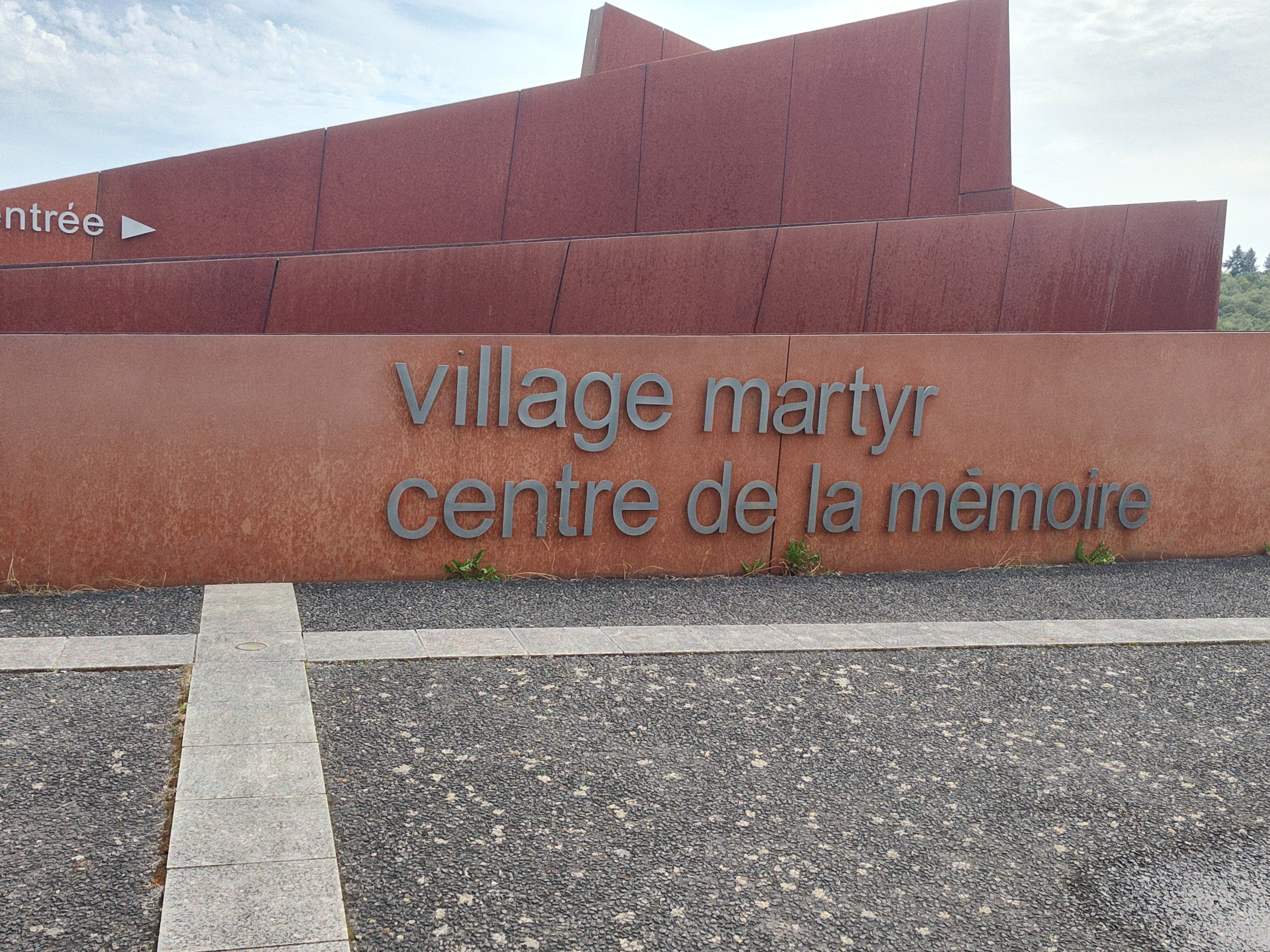 In 1999, the Center to the Memorial of the Oradour opened across from the grounds where the bombed-out ruins remain. The memorial center, designed in conjunction with the wishes of the French government, and the association of families and martyrs, is known for being “non architecture,” since the propose isn’t to display the building so much as to memorialize history. Its exhibit dwells extensively on the history of Hitler and the war, so I personally was more interested in seeing the remains of the village more than the museum, We were actually encouraged to experience the site exactly that way as well.
We as travelers gain so much more in our journeys when we encounter the unexpected and learn about a time in history of which we were previously unaware. And our richness magnifies when we can relate it to our current time. Which war isn’t senseless, has innocent victims on both sides, including innocent non-combatants? Which war doesn’t have a perpetrator committing senseless acts of violence, and in the end, is ironically rewarded by their own demise? We can travel the world and experience these acts of inhumanity committed over centuries. I’ve seen it in Vietnam and Cambodia. I’ve seen in in Germany, Poland and the Czech Republic. There are vestiges of it in England and the Guernsey Islands, where Hitler tried to advance but could not. I knew that France played a role in the war and had been occupied with its own Free France movement headed by Charles de Gualle. I just wasn’t expecting to see the local devastation in Oradour -Sur-Glane.
All Photos by Jann Segal
 Travel the World with Passion