In every country I’ve ever visited, I’ve been intrigued by the baskets made by the locals, typically for different purposes from one country and culture to the next. I’ve photographed so many and purchased some of the more unique ones. But what’s the draw, and how do baskets connect us as travelers aside from learning about the history and understanding how they fit into a society? I got my answer metaphorically from the late writer, businesswoman and leadership entrepreneur Frances Hesselbein who wrote, ” Carry a big basket. In other words, be open to new ideas, different partners and new practices, and have a willingness to dump out the old and irrelevant and make room for new approaches.” As I think about it in retrospect, this is exactly what baskets do in every culture: enable the locals to grasp into the future during their daily lives, in spite of the basket’s humble beginnings and often rudimentary usage.

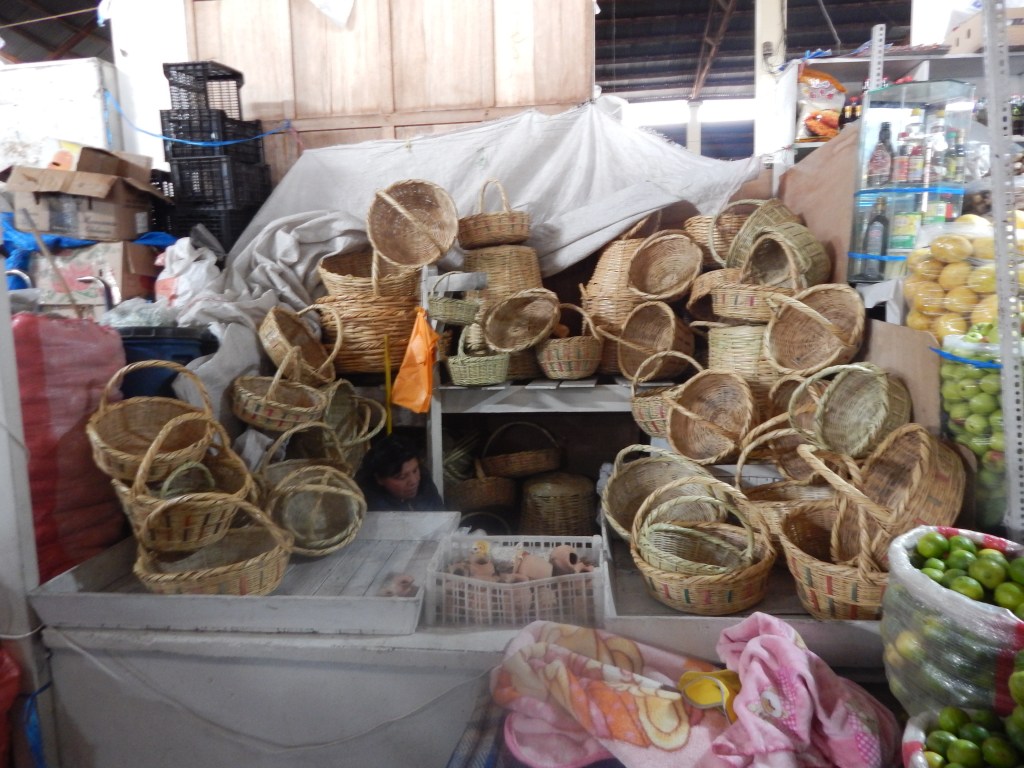

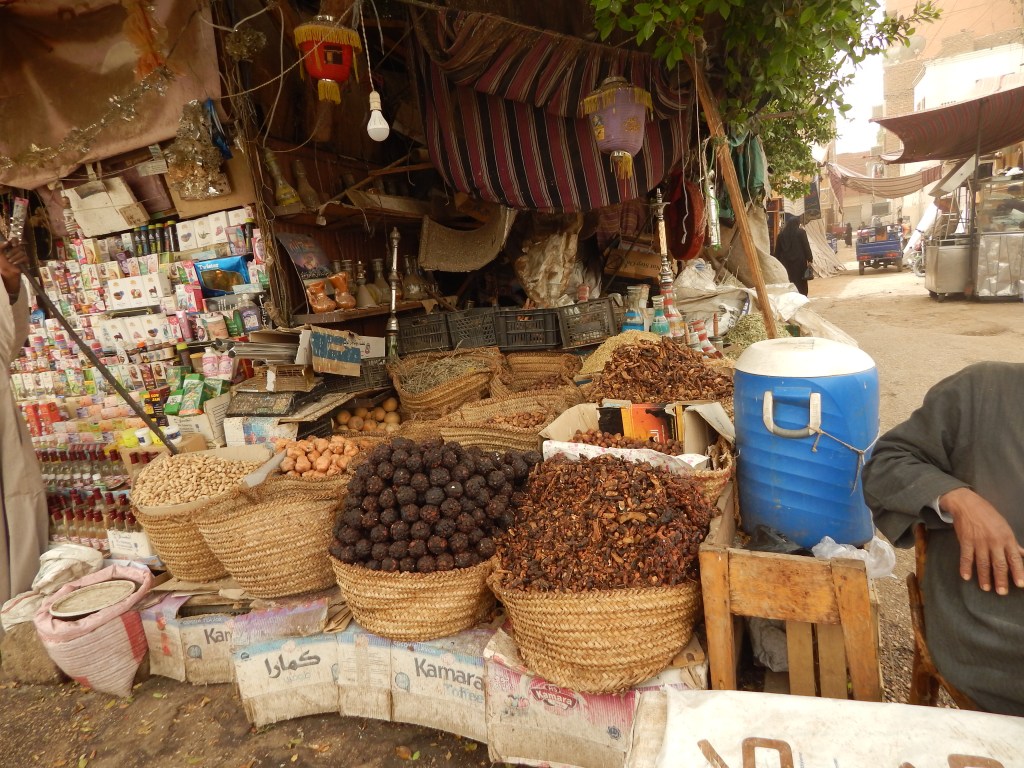
Basketry pre-dates even pottery and carving, with origins that go as far back as 8,000 and 6,000 BCE, with first discoveries found in Kenya. Only a thousand years later, other baskets were being used in Utah. So, the need for these reed vessels is universal, even though the uses are many and varied. It’s the multiple uses I observed across time in different cultures that attracted me to photograph baskets in my travels with Overseas Adventure Travel and independently, and to explore their history further. From the Navajo and Hopi tribes of Northern Arizona to the Nubian people in Egypt whose borders had changed from the Sudan, baskets seemed to follow me around the world. I can’t say that about too many things!
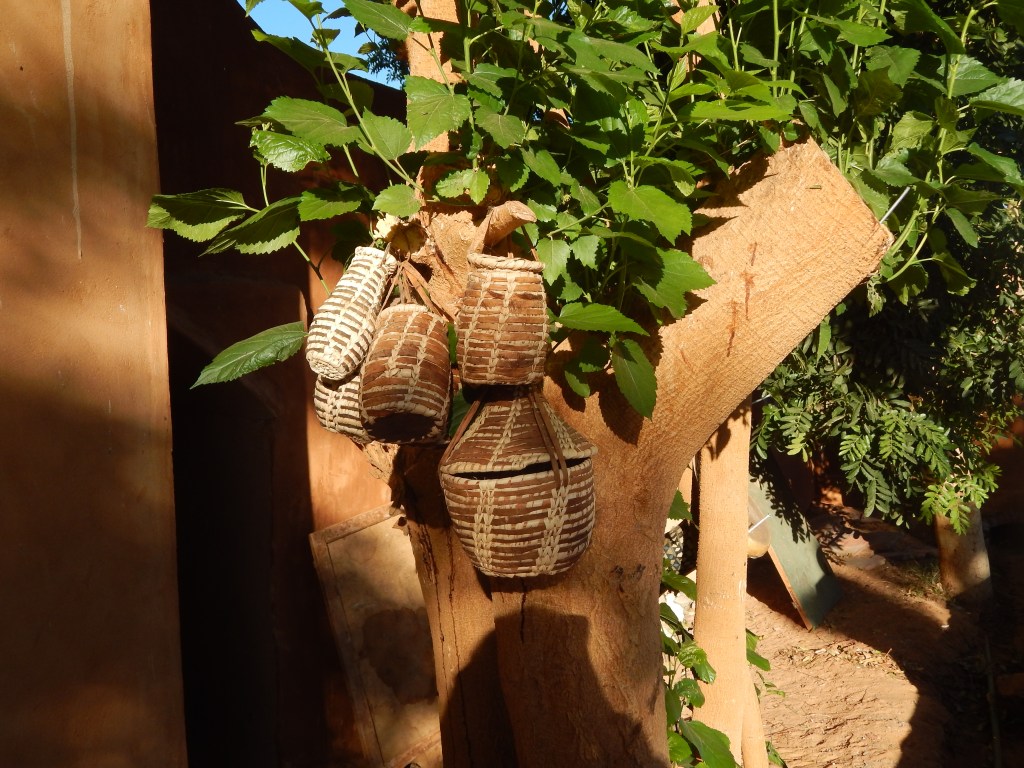

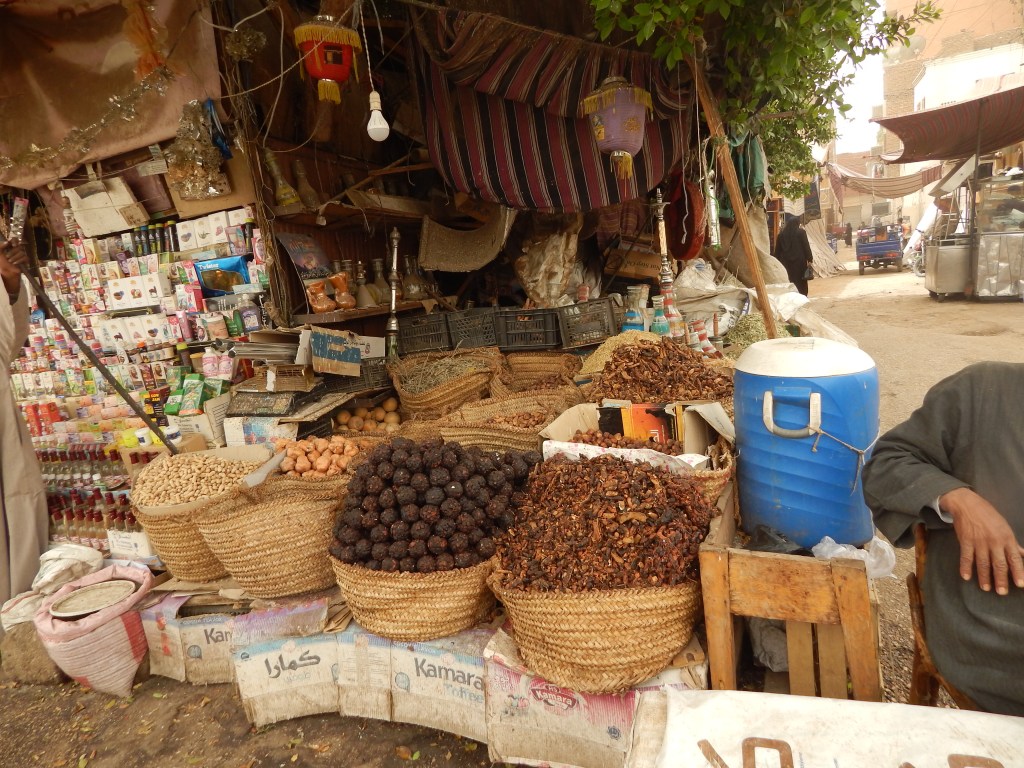
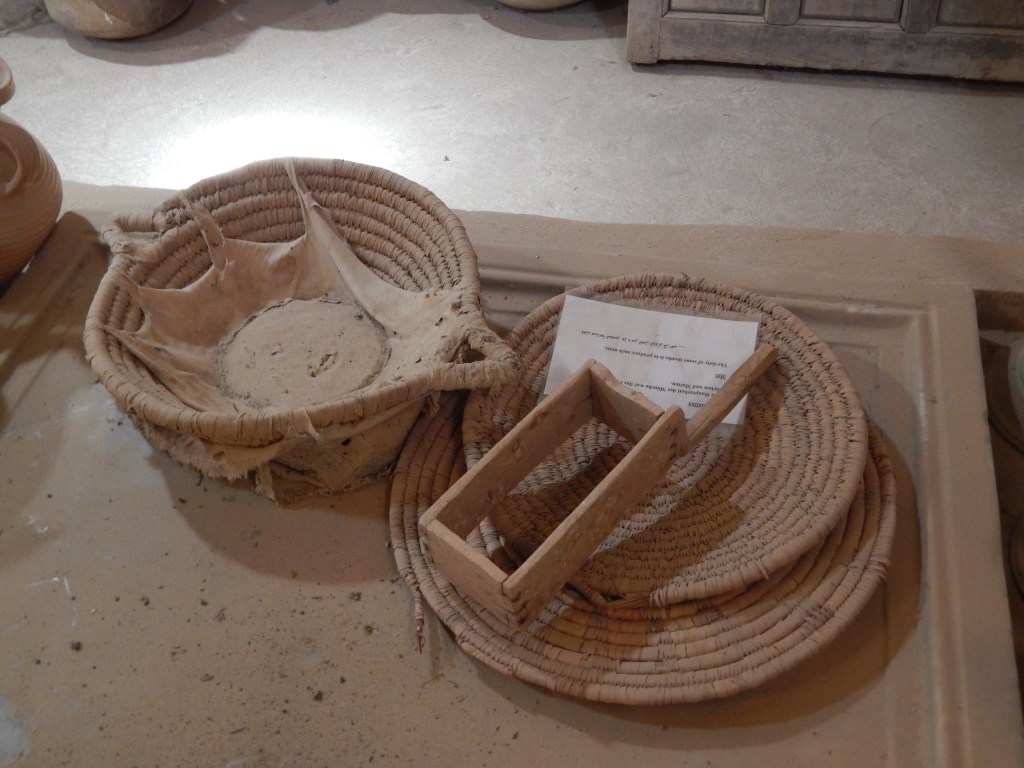
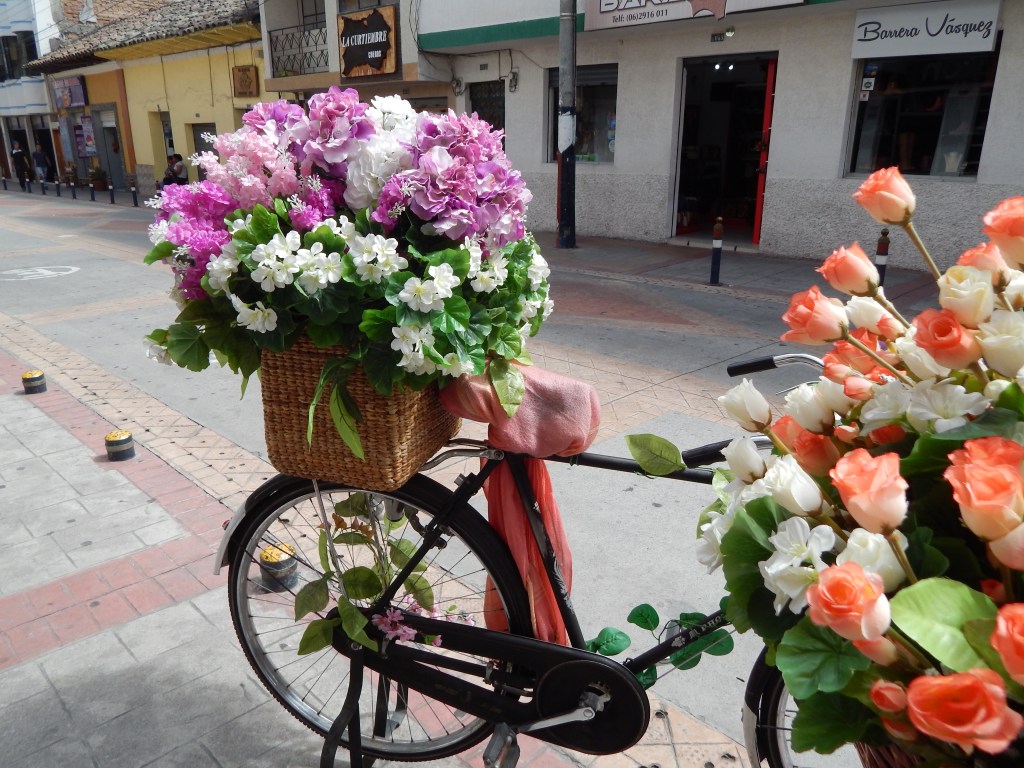
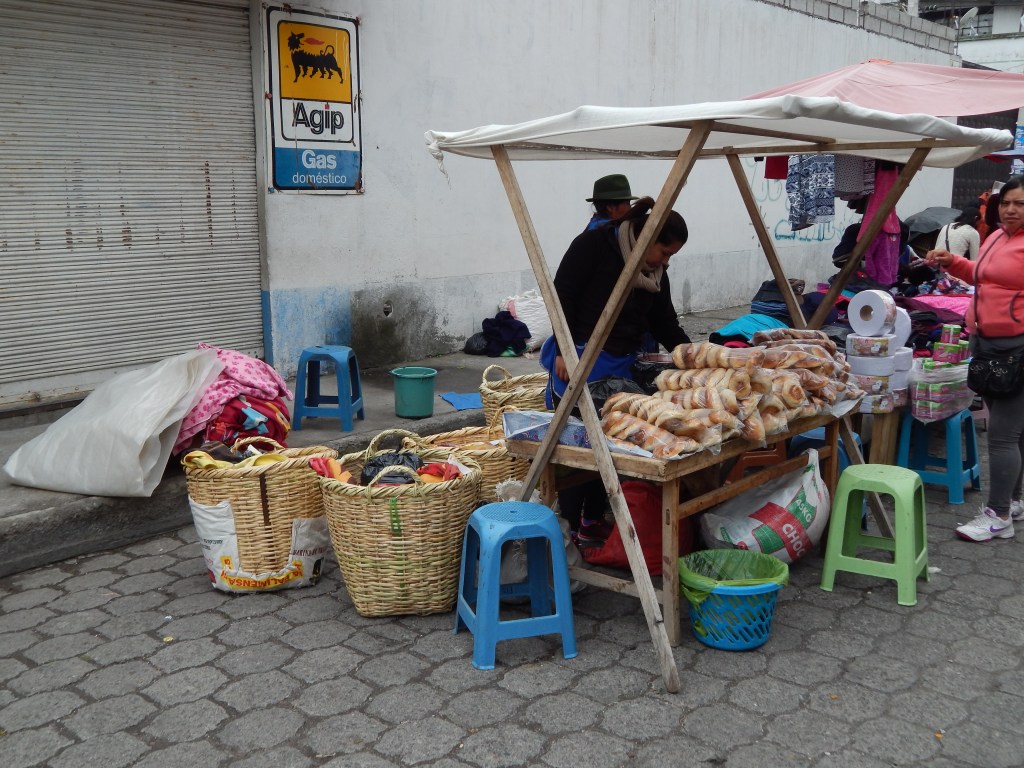
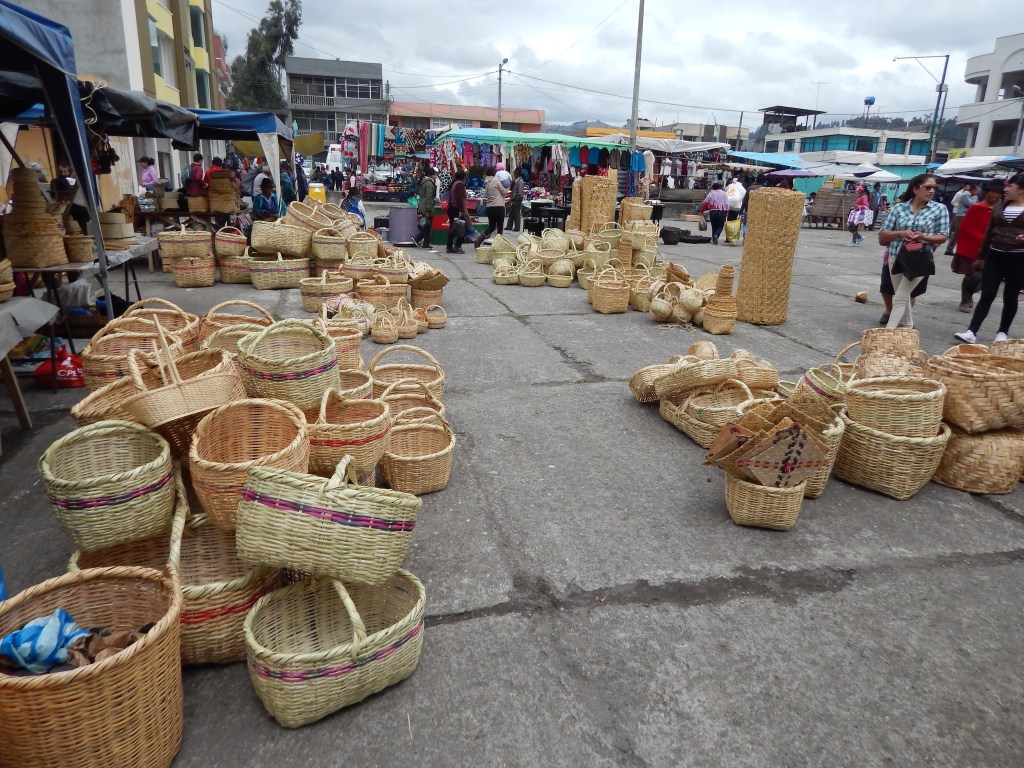
I first began to notice all this on a trip to South America, where I traveled with Overseas Adventure Travel. I was on their Colombia trip, where I saw baskets primarily used as decoration, utensil holders, and flower holders. However, on my independent travels just prior in Ecuador, I noticed them for sale in the markets. Huge reeds were used, exactly as I saw in photos of Lake Titicaca in Peru and Bolivia. So, these huge reeds were also used as boats as well! In the Colombian coffee triangle we visited, I saw them used for picking coffee beans, and woven sacks were holding coffee beans on the backs of donkeys.
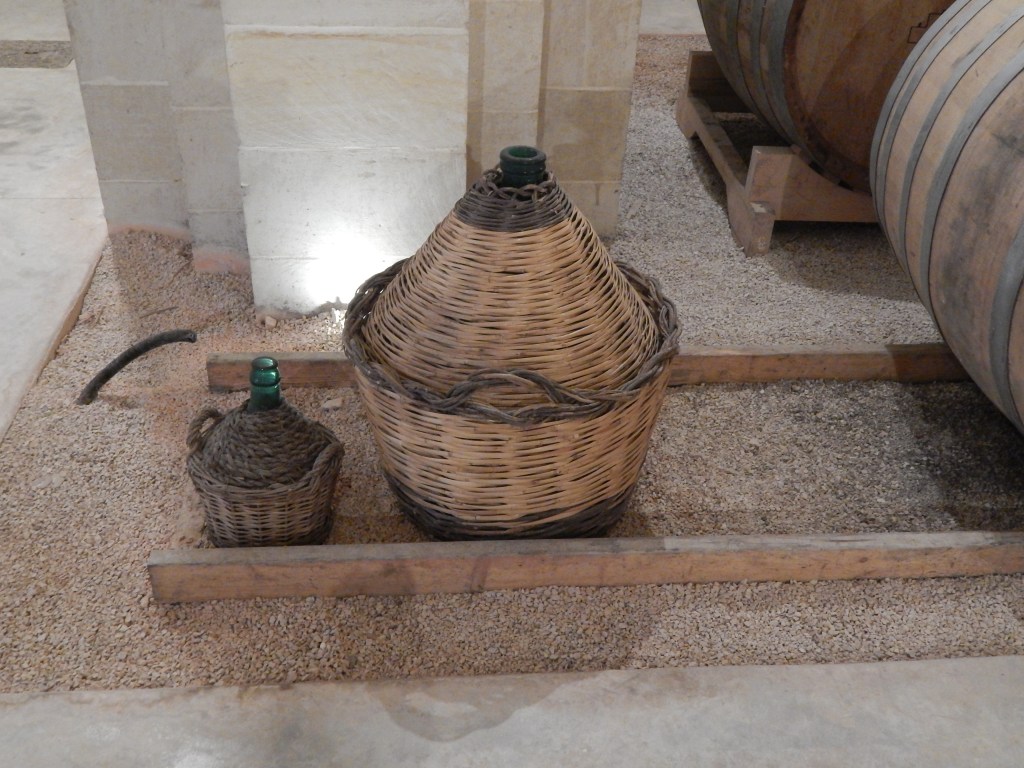
In both Italy and Israel, I saw them used as rudimentary olive presses, and in Italy they were used in the crushing of grapes for wine in one family owned winery we visited. In Kenya we saw them being sold in markets and off the side of the road as floor mats or containers of various sizes. The one I purchased in Kenya is a simple but beautiful example of their woven work and now holds a variety of packaged spices I’ve purchased in my world travels. Such a perfect way to remember all the various cultures! In Ecuador, at a Thursday market in the Andes, I saw them filled with live rabbits that were being sold for slaughter. Not in closed cages, but in open baskets.
Of course these are obvious uses for baskets, but in all cases, the item used as basket material grew into something completely different, but the utility remained the same. Plastic and other materials gave way for carrying items; boats are made of a multitude of materials which are still constantly changing depending on technology; wine and olive production is indeed more modern with steel presses now used. However, despite changing technology that countries try to adopt, I still see baskets for sale in the markets of emerging countries. Beautifully woven baskets, too. Many indigenous cultures it seems, like to preserve their traditions of basketry, and in Peru and Bolivia some of that tradition is still in place considering how beautiful their thickly woven reed baskets are.
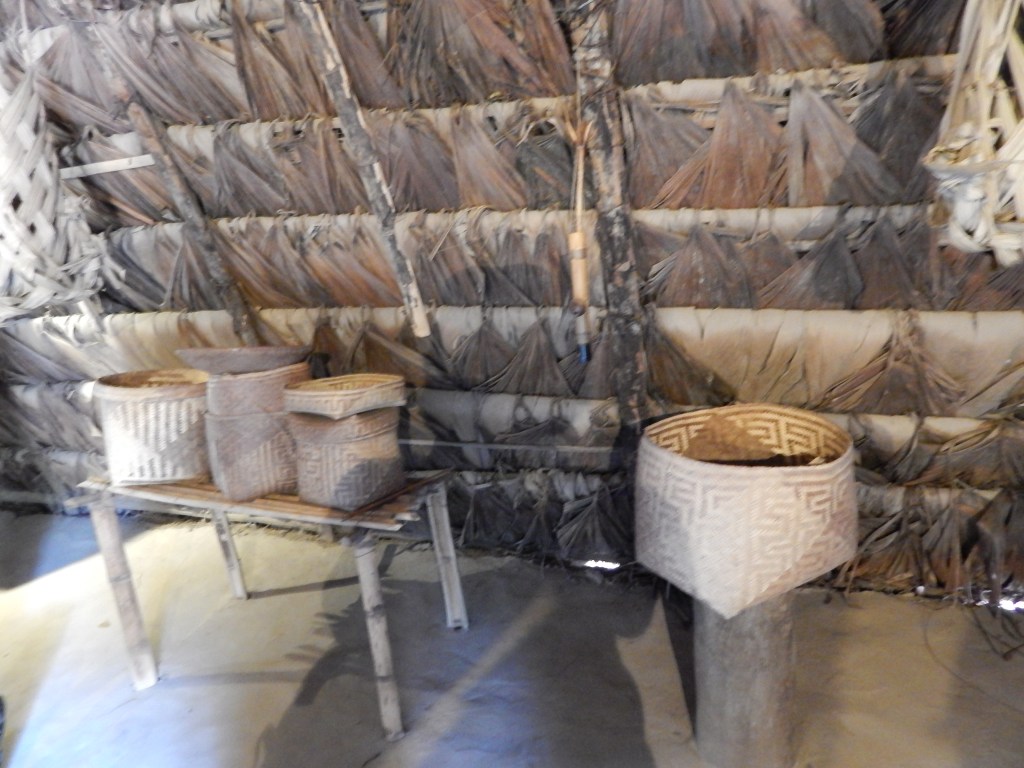

As societies change and progress, and new technologies and materials are introduced, baskets changed to plastic or even aluminum. I saw this in the coffee triangle in Columbia. It’s of course, a natural outgrowth, and part of changing societies. Yet also part of that change is wanting to keep traditions, especially where the beauty of an art form is involved. Baskets are definitely an art form, with many different styles that cultures are trying to preserve and hand down to the generations to reproduce. One of the oldest baskets in North America is housed in the Mesa Verde Museum in Colorado.
Since baskets know no boundaries, either in terms of substance, style, usage, geography, or culture, we as travelers can learn from this. Our very notions about life, living, and even receptiveness to different cultures and change can be influenced when we reflect on the mighty job these baskets have accomplished over the centuries. Seeing baskets while traveling gives us a glimpse into how the people once lived, and how they have progressed as a society. We as individuals can learn and grow, as we embrace the ”baskets” in our own lives, look for bigger and newer ones, and travel onward to gain additional perspectives on life and the people we meet along the way.

 Travel the World with Passion