“Art washes away from the soul the dust of everyday life.” —Pablo Picasso
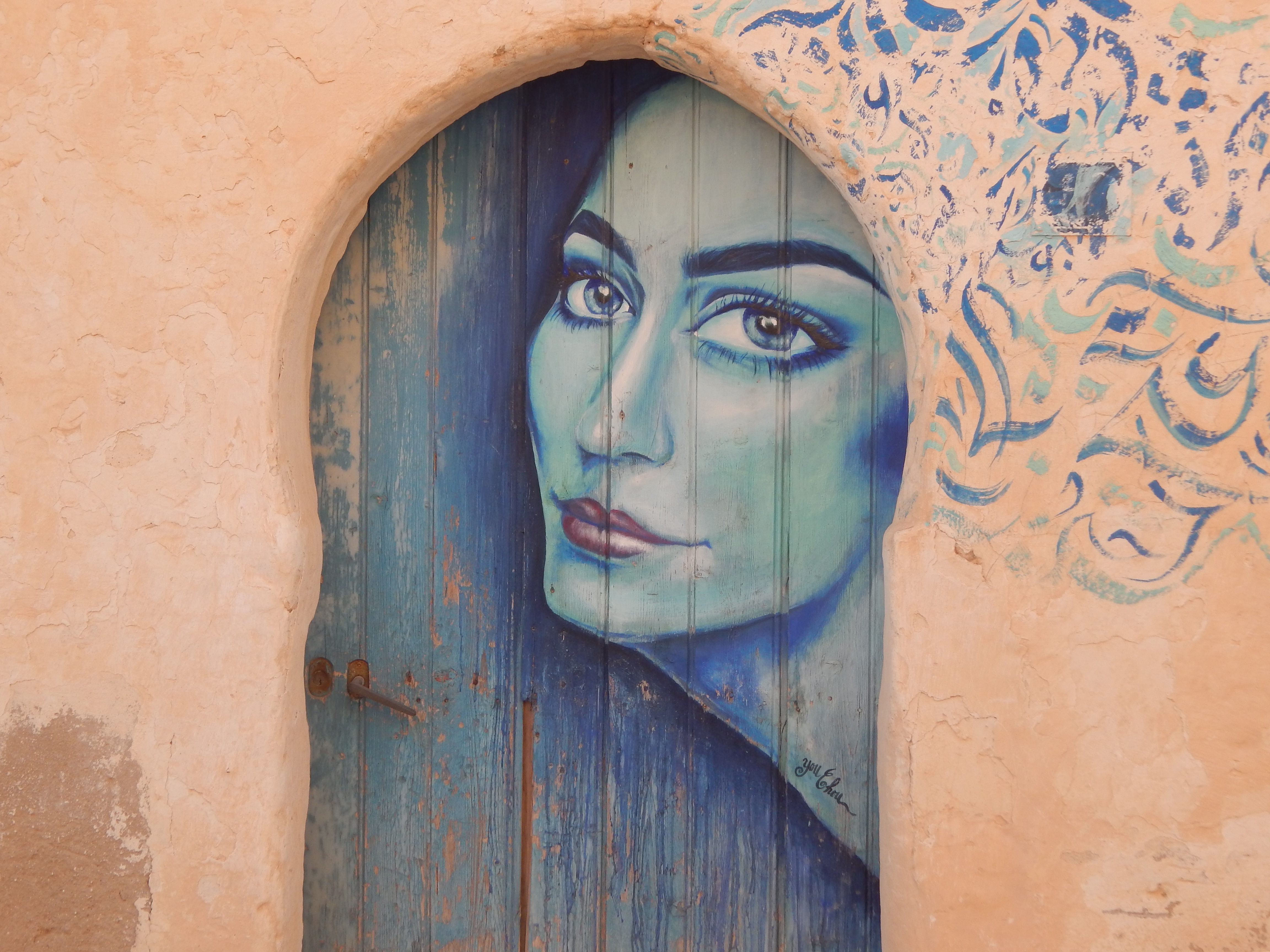 Art and culture in any country sprouts up from the earth of the society, emerges with a greenery like leaves of grass, and eventually blossoms into full maturity. This is what I have observed after multiple trips to the African continent, most recently Tunisia.
This is not something I thought would be a takeaway on the trip with Overseas Adventure Travel, Tunisia: From the Sahara to the Mediterranean, although the continent has intrigued me. I have been to South Africa, East Africa, and now five times to North Africa alone. West Africa still beckons.
What draws me to this continent is the variety of cultures and languages, vistas, and scenery besides the amazing animals in the Southern Africa nations. What unsuspecting music lover would otherwise know that East Africa gave us Freddie Mercury, and thus Queen? And the gospel music that is the basis for so much popular music including rock and roll and jazz? What part of the world did slave and gospel music originate? From the peoples who trace their ancestry back to Africa, especially West Africa. The influence goes on and on.
I heard so much French coming from black skinned people, on the two days before I joined the OAT tour in Tunis, I figured there were many travelers from Algeria. I sat on the hotel patio one night listening to some acoustic guitar live music, and as I was walking, I saw four young men at a table, and it sounded like they were playing a fast and furious game of cards. They were speaking French, so I popped by and asked what game they were playing. In the 21st century, what I saw was four Algerian men steeped in a game of dominoes to the death match.
In Nubian Egypt on a prior OAT trip, in an area which was once part of Southern Sudan, I saw men with their hookah playing backgammon. Mind you, neither of these games originated in Africa, but it highlights cultural differences and values, not to mention the movement of people around the world. I wish my French were good enough to have understood what the (possibly Algerian) men were saying at the airport in Istanbul during my layover on the way to Tunis. Dark skinned, French speaking African men wearing blue jeans with big holes in them, a fashion that has either come back or never left. This is not a scenario I see at home, so I value from a cultural standpoint what I see and hear abroad. And as people, everyone I have encountered on the African continent is lovely and warm.
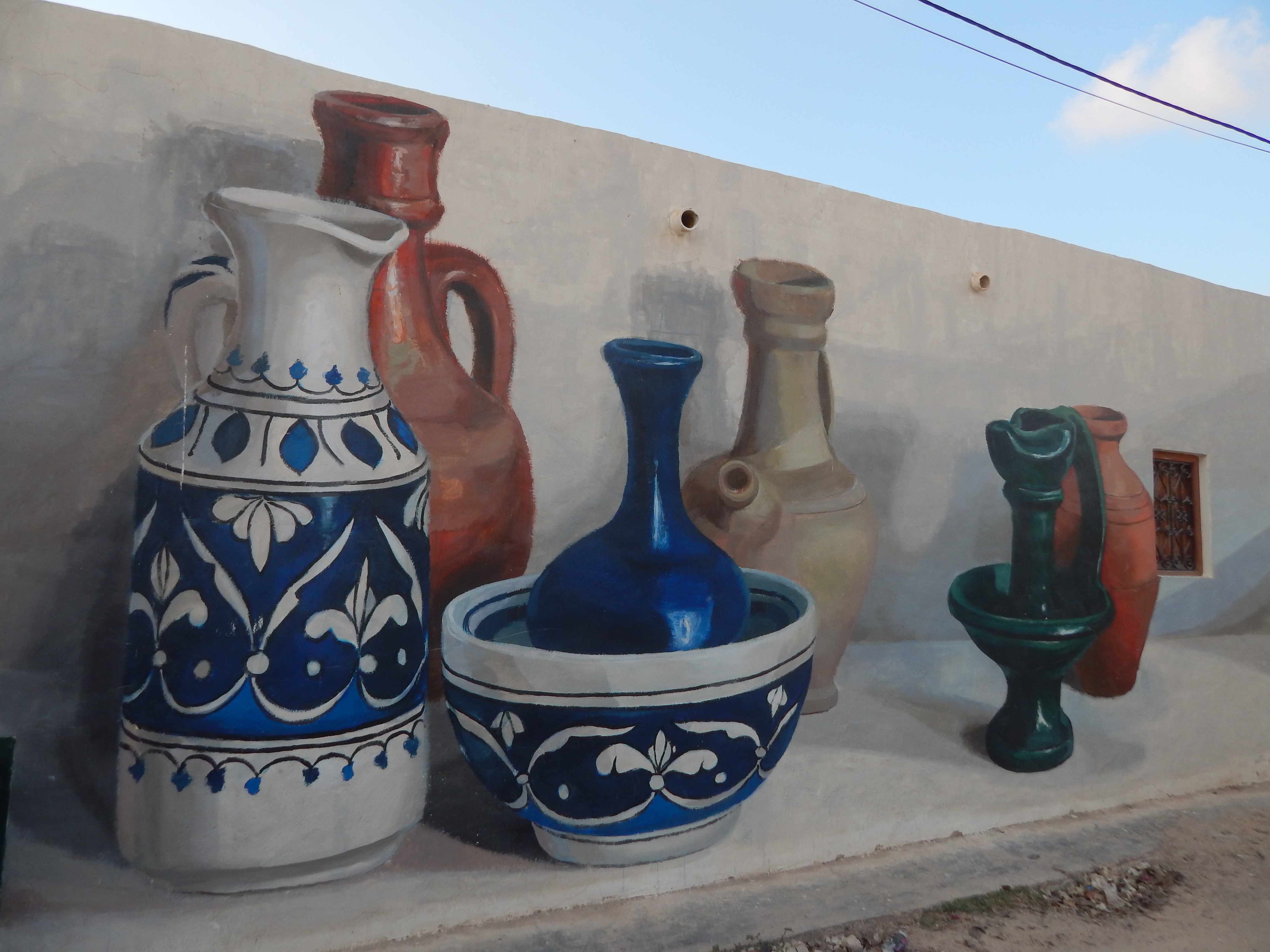 Africa has brought us so much, and our culture is richer for it. I adore seeing street art when I travel, and this Tunisia trip did not disappoint when it came to seeing art, street art or otherwise. Seeing street art in any country enhances not only my experience as a traveler, but that of the community which is fortunate enough to have it grace its walls. It also typically represents the feelings and aspirations of the people. I saw an excellent example of this recently on the island of Djerba, Tunisia, in a neighborhood filled with street art known as Djerbahood.
The area known as Djerbahood, is a project that was started in the local neighborhood of Erridah. 150 street artists from thirty different countries participated in this project, which livened up the exterior of buildings and residences in the small town and has turned it into a tourist destination. The project was initiated by the Itinerrance de Paris gallery in June 2014.
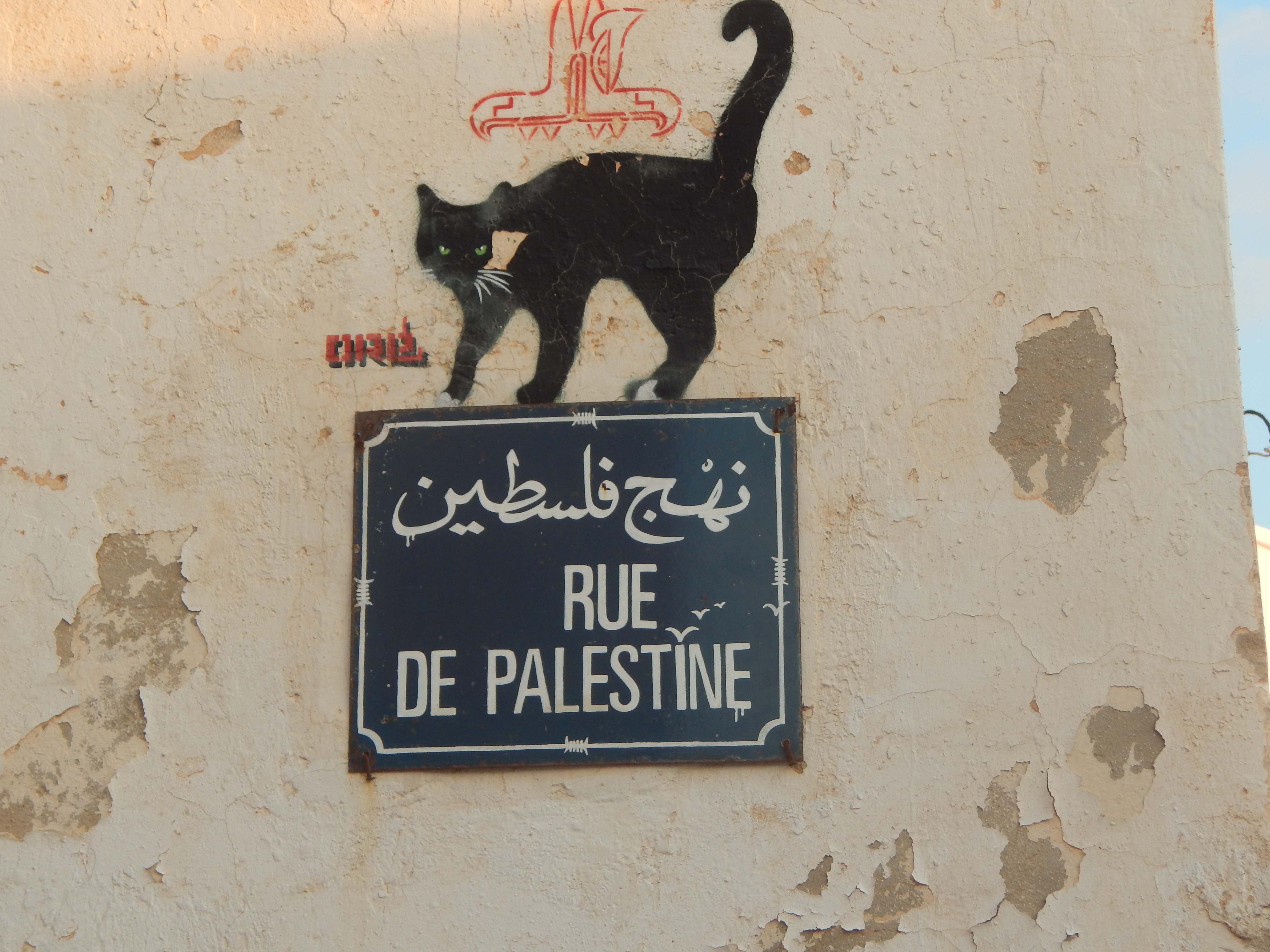 I had seen street art in Tunis near our hotel, but the experience of Djerbahood was something unexpected, as we walked down one street and the next, viewing professional quality street art and the people who lived in this sandy desert town by the sea. Apparently not everyone was initially happy with the idea of turning this small village into a street art destination, but the locals eventually warmed up to the idea and as the Djerbahood project matured, they began to ask if their residence could have a painting on the outside. Significant media attention was paid as more artists and buildings we added to the project. There was obviously an economic impact on the community because we passed stores selling artistic items as we walked past them.
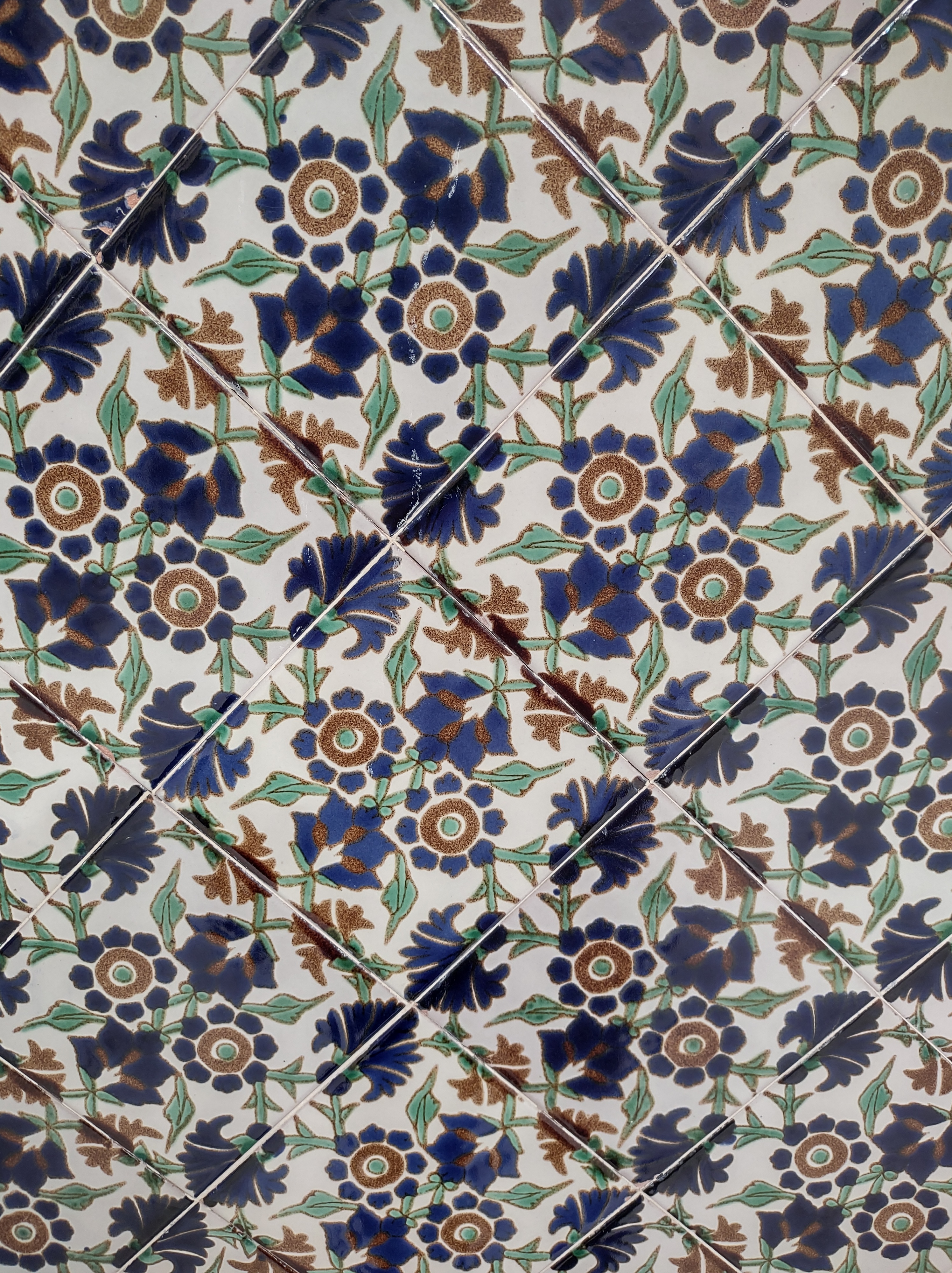
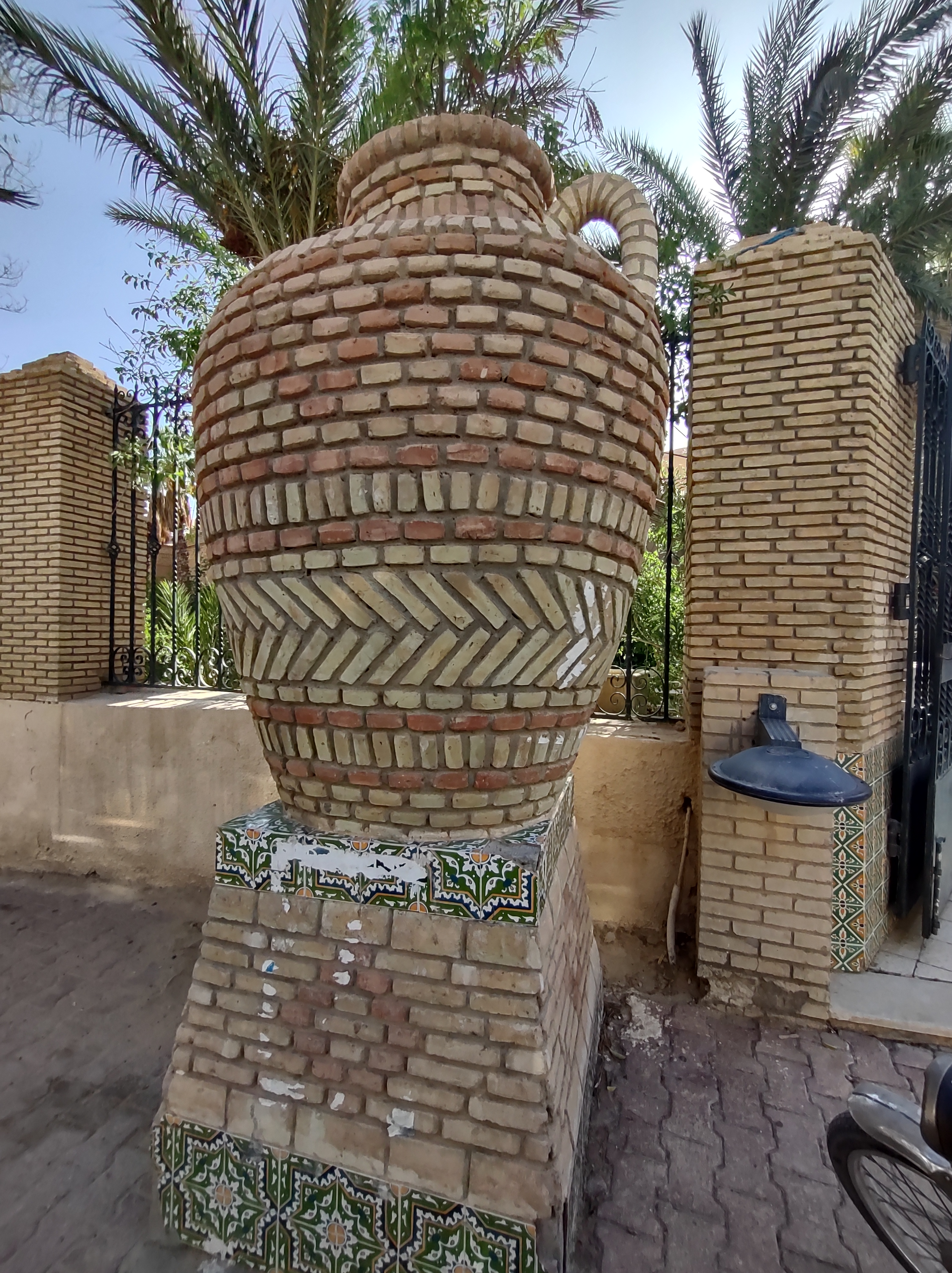 As the tour moved on and we got closer to the Sahara, sand and dust became our friends, but true to the quote by Picasso, had no impact on the art we saw other than to enrich it. We were treated to a wonderful museum visit in Tozeur when we went to the Dar Cheraiet Museum. In its exhibits it revealed the story of the Tunisian people, showcased how they lived in the 19th century, and was designed to preserve Tunisian culture and heritage. Among the richness of its artefacts are the most beautifully intricate mosaics on the walls, and even a huge and fine display of mother of pearl boxes, typically made and found in Egypt. The museum was founded by the mayor in 1900 and brings three separate museums together under one beautifully historical building, including a children’s museum.
Upstairs in the same building is the Museum of Arts and Traditions, which contains contents quite separate from the traditional lifestyle preserved on the first floor. But in its difference also comes its similarities. The paintings shown on this level are traditional Tunisian art, created in media other than mosaics but rather paintings or a modern combined media. I also observed some abstract, modern art.
 The richness of African culture never disappoints. Most recently for me, it was the art and culture of Tunisia. I always punctuate any trip I take with a visit to a museum or an area with street art. For in the museums and artistic endeavors on the streets lie the story of the people and the everyday life they represent. For this art lover, its the true ambassador of the country.

