“The Amazon, in all its enigmatic grandeur, embodies the paradoxes of existence. It is a place of untamed beauty and unfathomable complexity, where the fragility and resilience of life intertwine. It is a testament to the boundless wonders of the natural world, a reminder of our interconnectedness with all living beings. Here in the heart of the Amazon, secrets whisper through the rustling leaves, beckoning the curious and the intrepid.”
Ryan Gelpke, Author
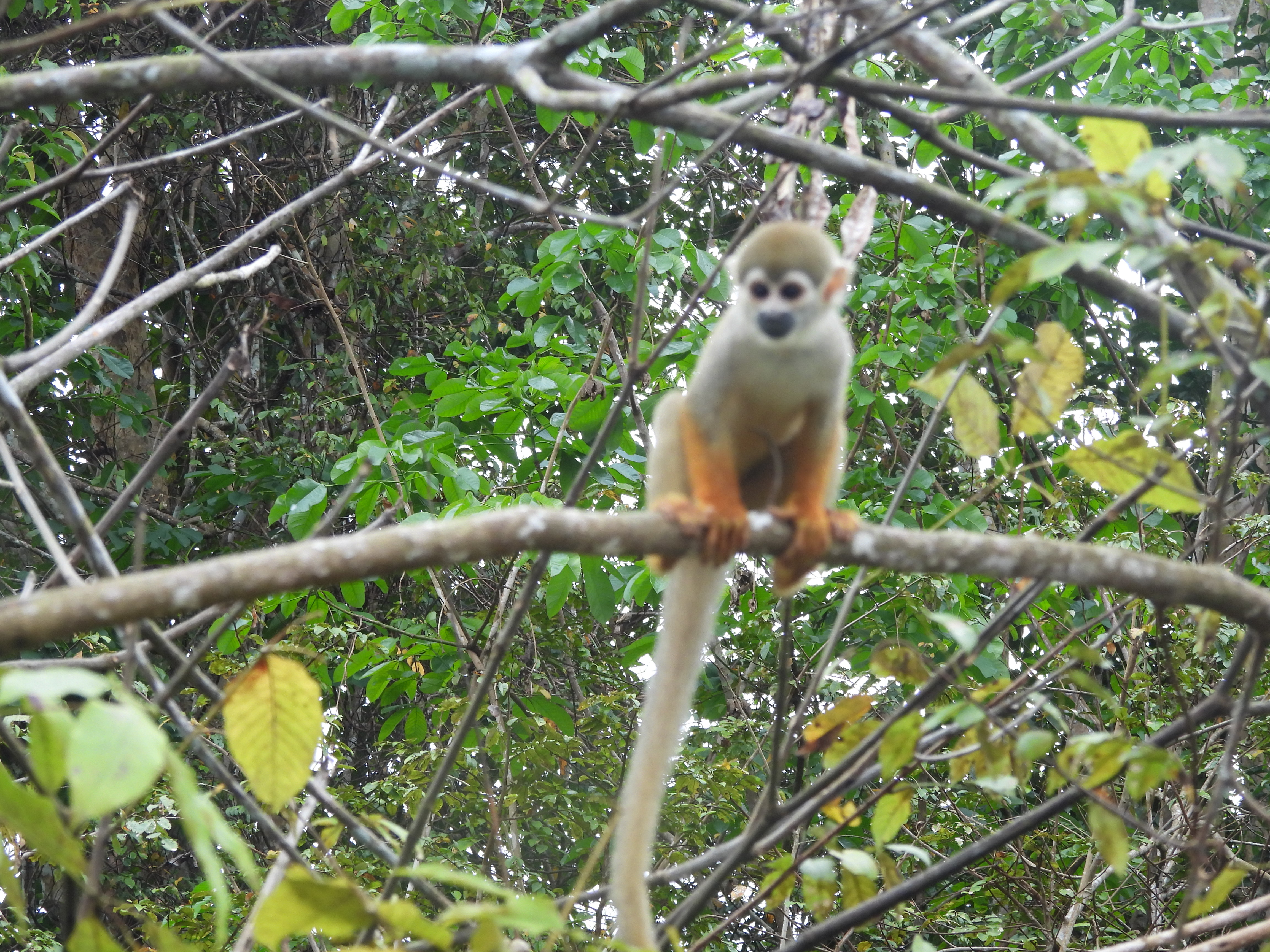 The above quote sums up exactly what it feels like to spend time in Brazil’s Amazon and the Pantanal, as I did for three nights each with Overseas Adventure Travel when I took their trip Brazil in Depth. One of the pure joys was spending three nights on a ship on the Amazon, looking out as we passed nature on the tributary followed by the Rio Negro and the famous meeting of the waters, and even having our canoe getting caught up in the thickness of the dense forest and the thickly overpowering undergrowth in the water. It was life and the fullness of nature that sometimes stopped us in our tracks in both parts of Brazil.
Getting There – Nature was in abundance for us as we flew to the gateway to the Amazon, Manaus. The flight in I will never forget, because the clouds looked more like a snow covered Bryce or Zion, and the multiple tributaries of the Amazon were flowing into each other on the Earth below. It’s always spectacular seeing nature’s gifts. I was so immersed in it I did not take a photo until after we had passed the most breathtaking part of it. But suffice it to say if you book this trip try to get a window seat to Manaus. From Manaus, it is an easy boat ride to the ship.
Manaus was just an overnight stay, but we saw the city before leaving for our ship. The most impressive for me was the opera house, built by rubber barons in the early part of the century. Rubber had ben discovered by Indians in the Amazon, and their number one use for it was to strengthen dugout canoes. Of course, others discovered it’s use, and we were told that in Manaus they decided to use rubber to put on the wheels of cars so the trips to the opera house wouldn’t be so noisy. And thus, the tire industry was born.
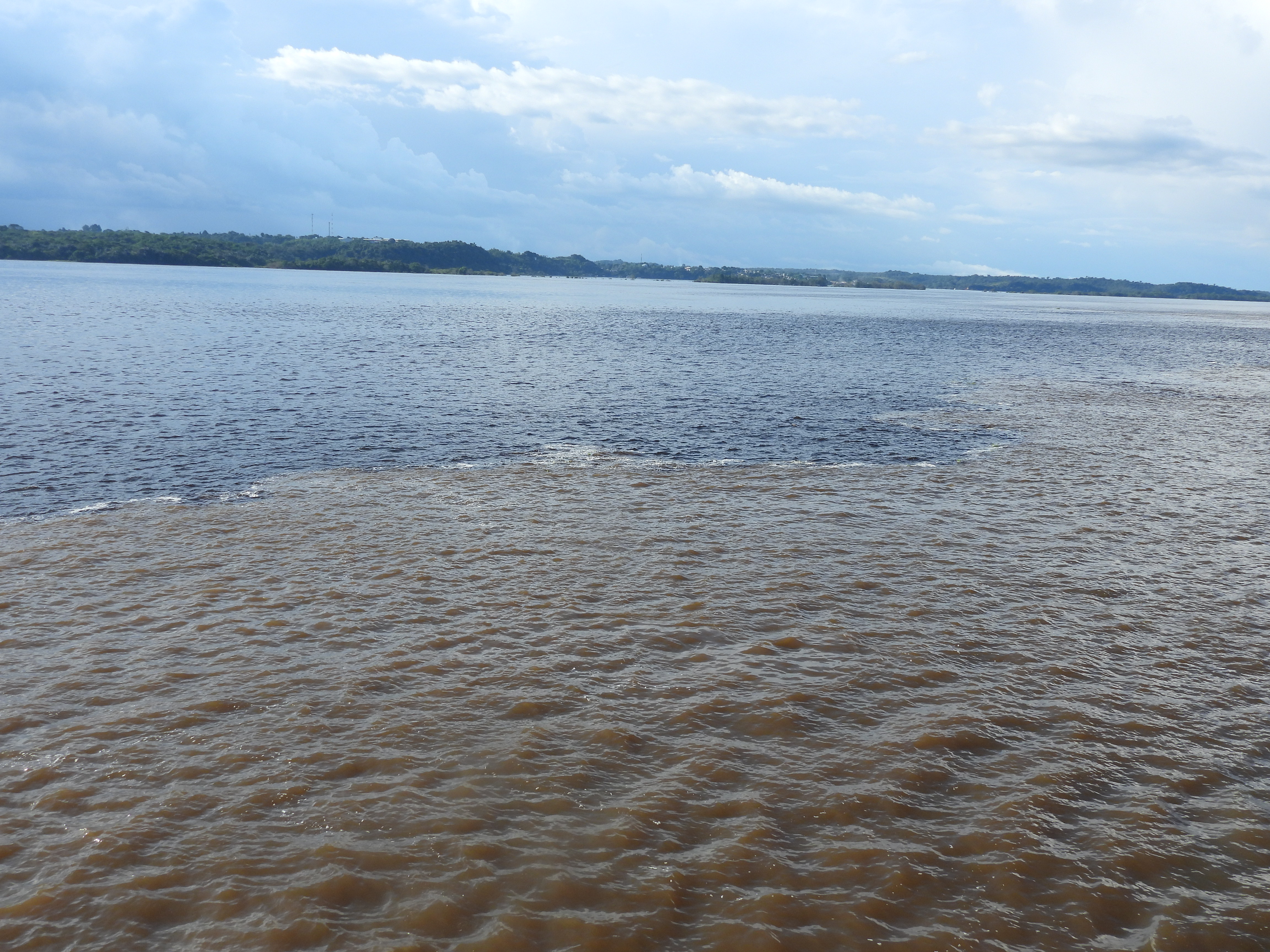 The Amazon and Rio Negro -Once we arrived and got settled on our ship, we took an afternoon rainforest walk to see the water lilies which can be seen only in the Amazon. Cheeky monkeys followed us on our path, which we walked after having first seen the meeting of the waters. .an intersection of the Amazon which is very muddy colored, and the Rio Negro, which is black. Our ship went down the much less trafficked Rio Negro, but literally thousands of other tributaries intersected.
According to the World Wildlife Fund, the Amazon “contains one in every 10 known species on Earth, 40,000 plant species, 3,000 freshwater fish species, and more than 370 types of reptiles. Over 2,000 new species of plants and vertebrates, including a monkey that purrs like a cat” live there.
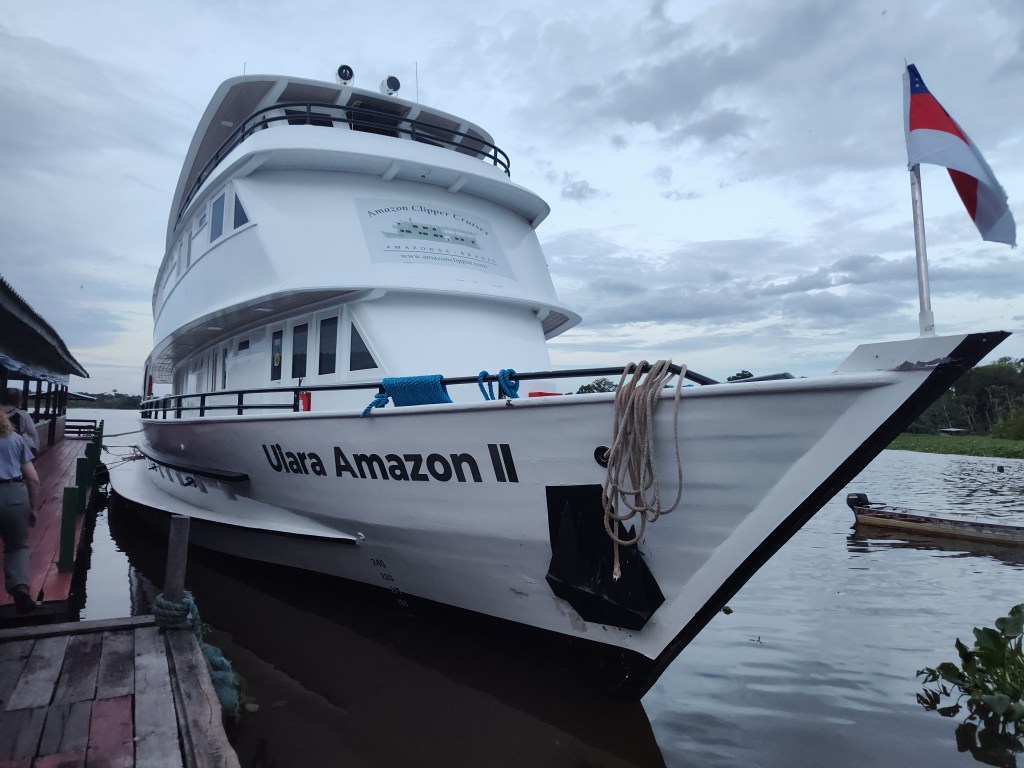
We had three magnificent nights and days in the Amazon aboard our ship. Our activities included at least three day excursions on the Rio Negro to see the wildlife, and three night excisions as well. We also had three rainforest hikes which exposed us not only to the abundance of animals and plants, but to the locals as well.
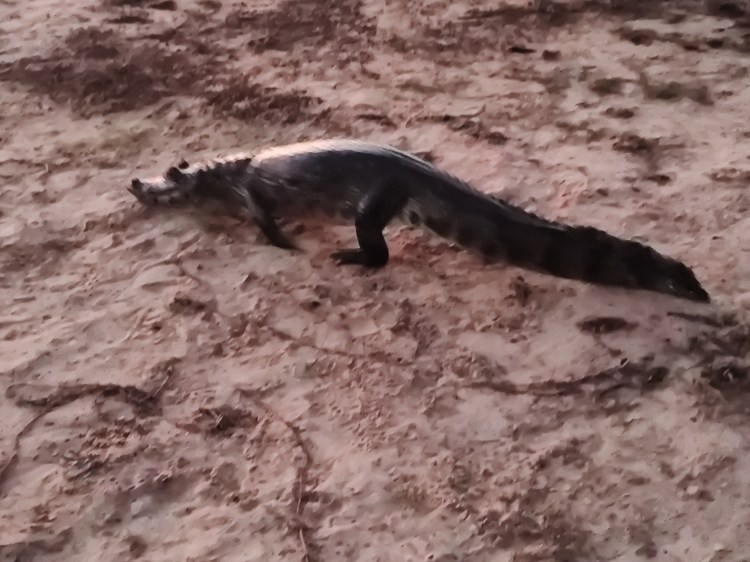
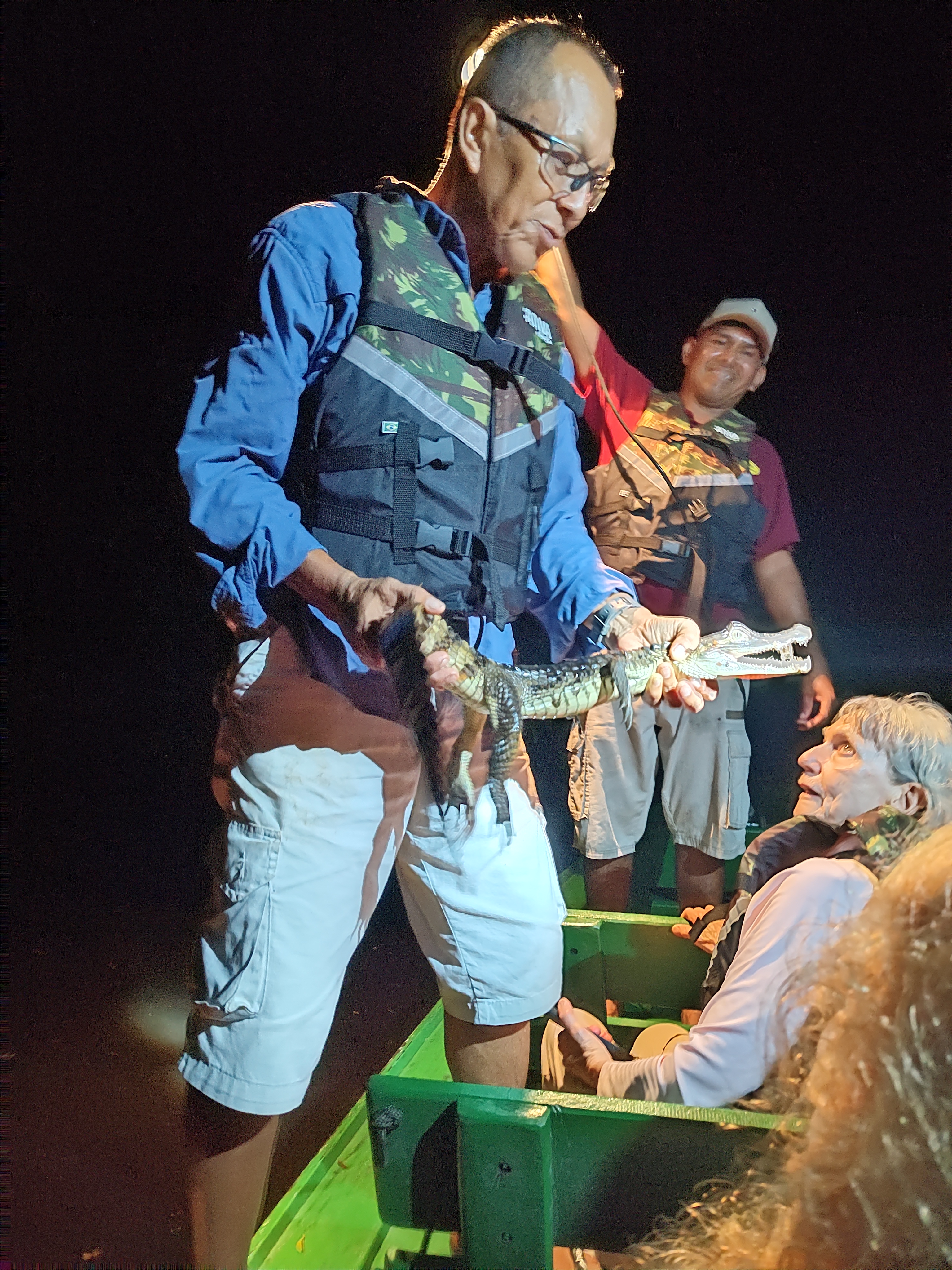 Any rainforest excursion at night is always a favorite for me. We saw both hemispheres and in both sets of night skies because of our proximity to the Equator; the Southern Cross on one side, the Big Dipper on the other. We never saw an anaconda as I did in the Peruvian Amazon, but we got up close and personal with a caiman thanks to one of our naturalists. On the last night excursion, we saw about five sloths and several capybaras. But the night sky and the many constellations looked on in supervision, and told me this is nature, enjoy me for all I am giving you. And she delivered quite a bit. The sounds of the rainforest at night alone makes for the most spectacular E ticket ride, but a quiet and gentle one, surrounded by nature’s bounty.
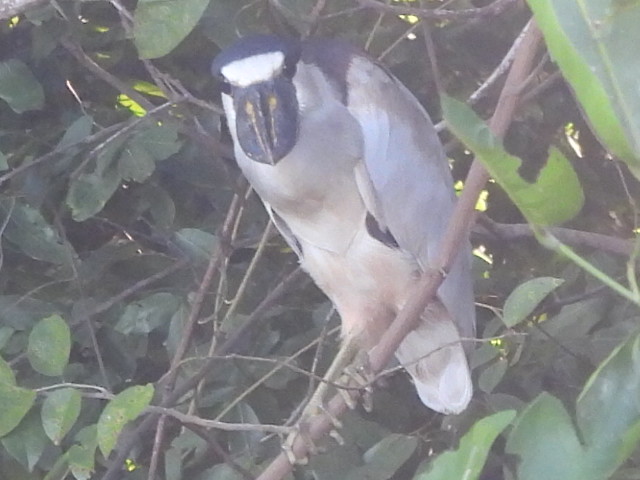
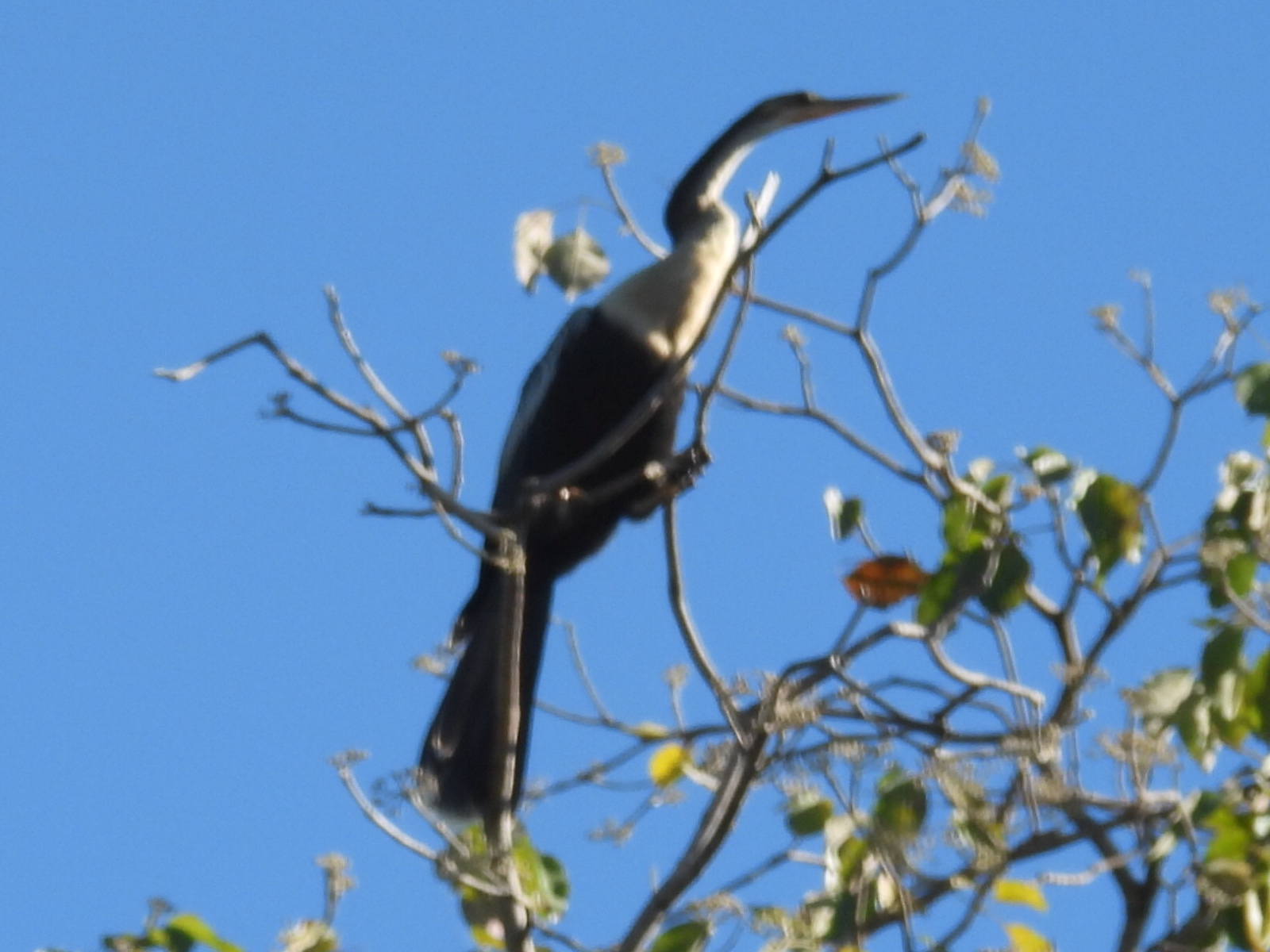 One thing that was interesting about bird viewing, is that while we saw macaws and toucans, parrots and parakeets, storks and egrets, sometimes in flight, sometimes perched on a tree, sometimes at the water’s edge, many times all the birds were nearly impossible to really observe. Just as I experienced with my private bird guide outside of Rio, these birds are small, fly away quickly, and blend in so well they can be difficult to see. I could see them easily with the naked eye, but it was harder to find them quickly with my camera. And then poof they were gone. Predators for them are hawks and jaguars, among others.

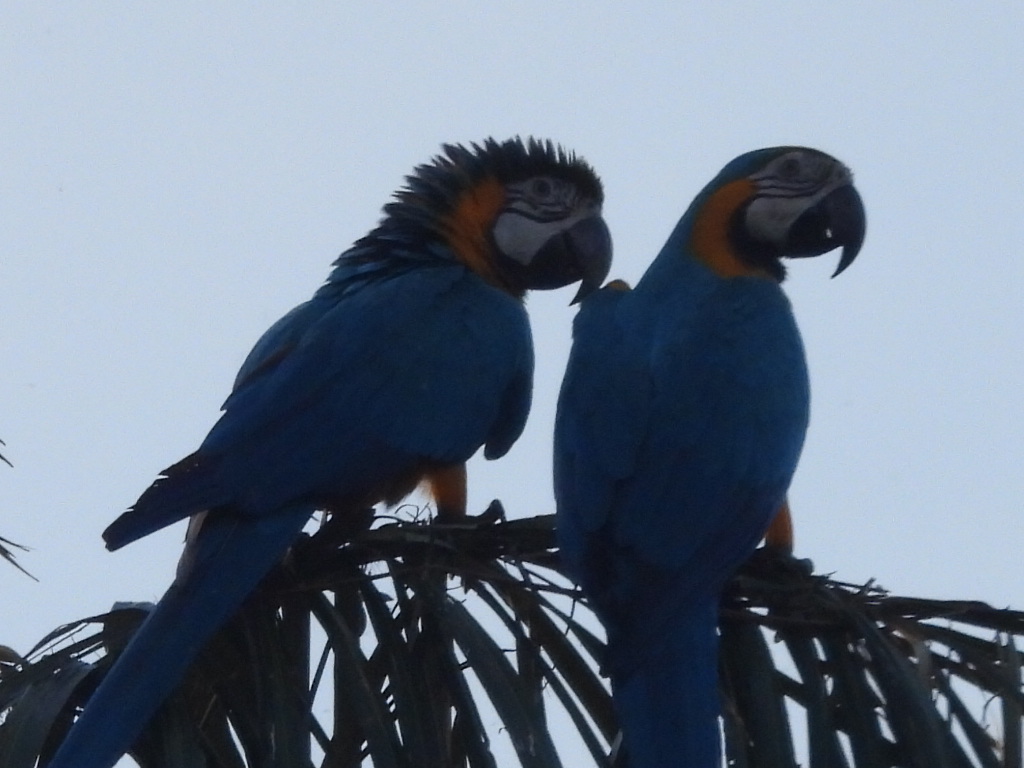
We observed two kinds of monkeys, the squirrel monkey and the howler monkey. Unlike other rainforest experiences, I did not wake up to the sound of the howler monkey.
 Our walks in the rainforest were terrific, and one required a guide to lead the way with a machete. This walk came with warnings to wear socks that would fit over your pants to prevent bites from low lying critters. I did not have socks that would do that, but I also never got any bites. A highlight of one first rainforest walk early on was seeing two Toucans waiting to be photographed. Luckily we never saw any mosquitoes in our part of the Amazon and Rio Negro. The PH levels in the water are too low for them, only a 4, which is a bonus for travelers.
The Northern Pantanal – After we left the Amazon, we spent three nights in the world’s largest wetlands, the Pantanal. In Portuguese Pantanal means swamp or wetlands. It covers more than Brazil, although Brazil has the largest geographic area. The Pantanal also goes into Bolivia (several hours outside of Santa Cruz) and Paraguay, and its water flows into the Paraguay River. According ot Wikipedia It is home to approximately 269 species of fish, more than 236 species of mammals,141 species of reptiles and amphibians, and over 9,000 subspecies of invertebrates. It has much of the same flora and fauna as the Amazon.
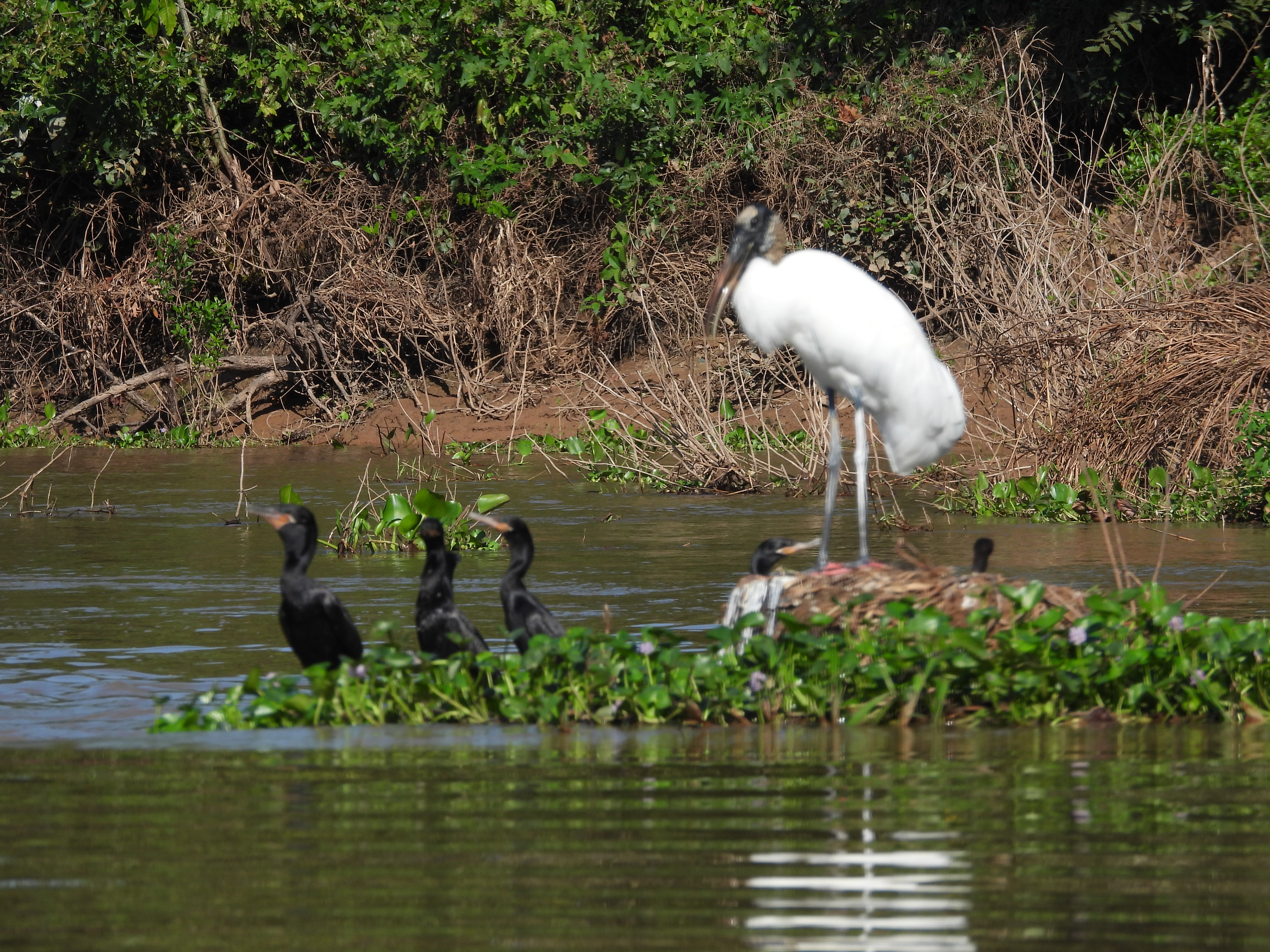 The Pantanal and the animals we observed reminded me that travel, like life, is not a race to the finish line. It is about savoring every morsel of the travel experience, wherever you may be. Our lodge there was teeming with birds everywhere. Not only the birds, but the surrounding animals too, were species I have never heard of before. We saw a taiper and its baby in the wetlands, and twice the taiper had found its way inside the lodge’s restaurant and tried to join us for dinner. He was escorted out with a banana.
In a night drive after dinner we saw a crab eating fox, two more taipers, and some well camouflaged nocturnal birds. I do not know how a fox can find a crab on land, but we saw two of those beautiful animals doing that.
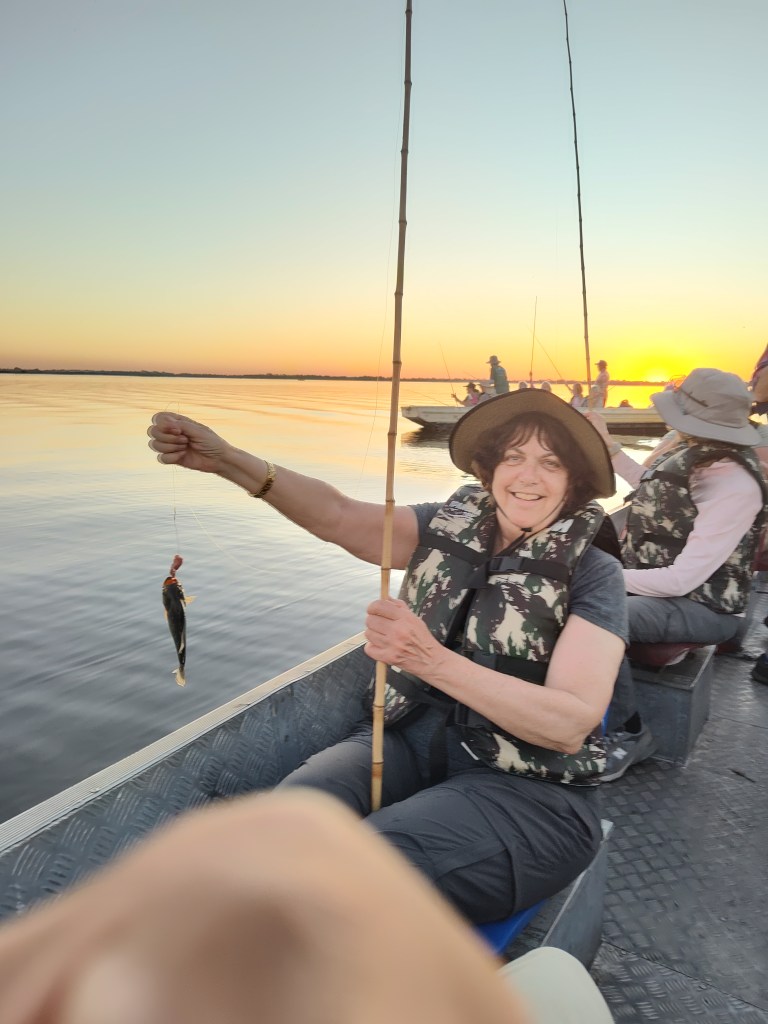
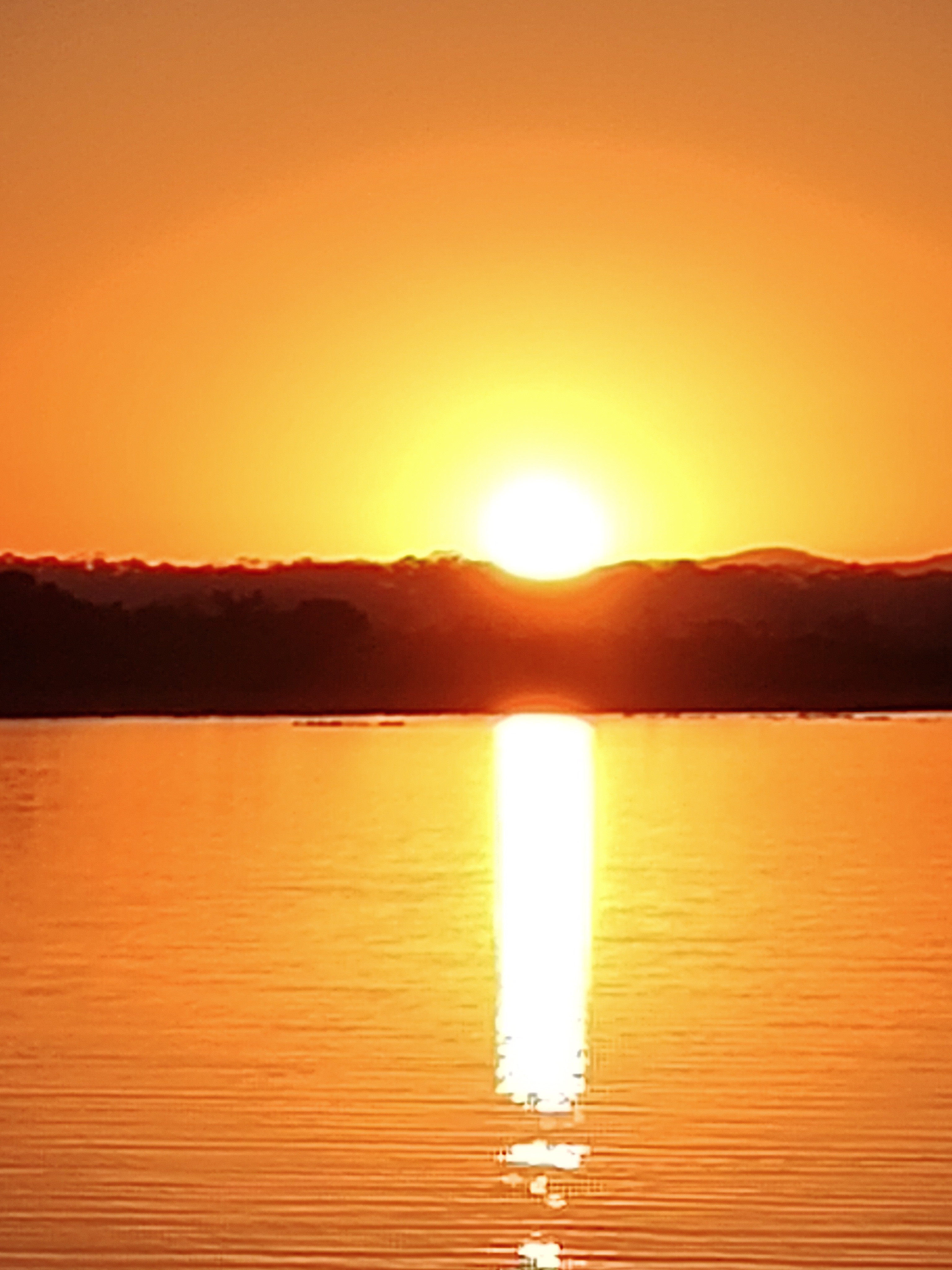 Our days in the Pantanal included boat rides down the river to see sunrises, sunsets, birds, whatever wildlife Nature made available to us, catching piranha, observing the caimans waiting for us to return from our boat rides hoping for food, and a feeling of being blessed to feel such peace in this unique part of the world. The lodge also protects wildlife when they are endangered and can’t be left in the wild. Some are able to return, some can never return. Other animals we met were rescues.

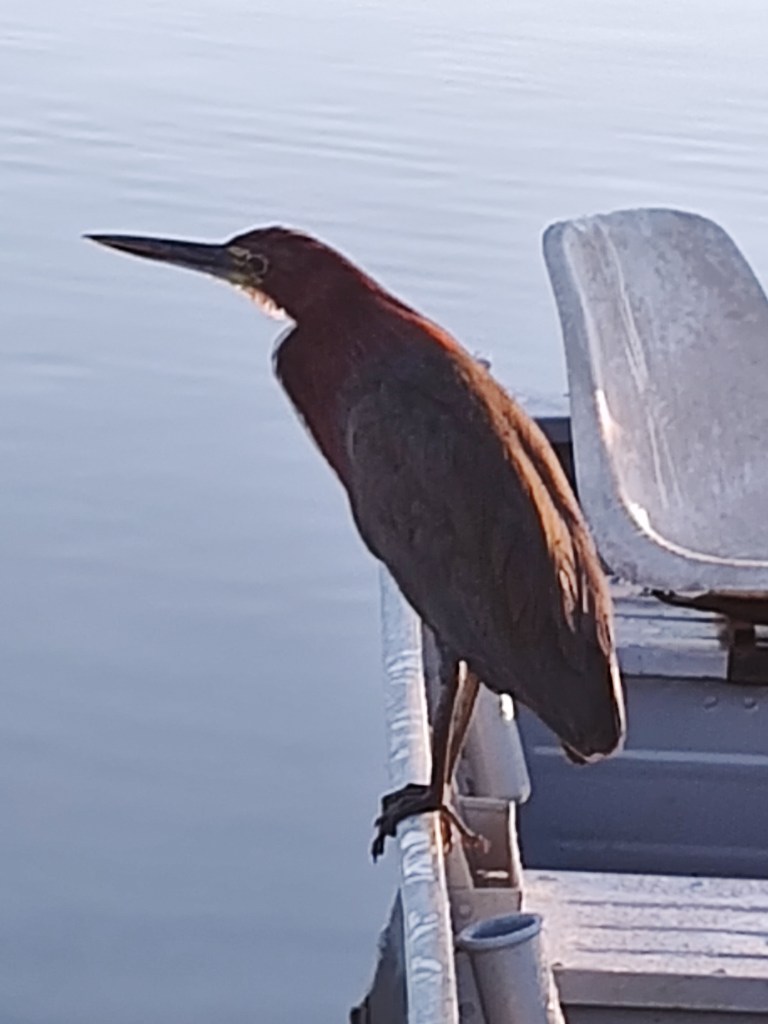
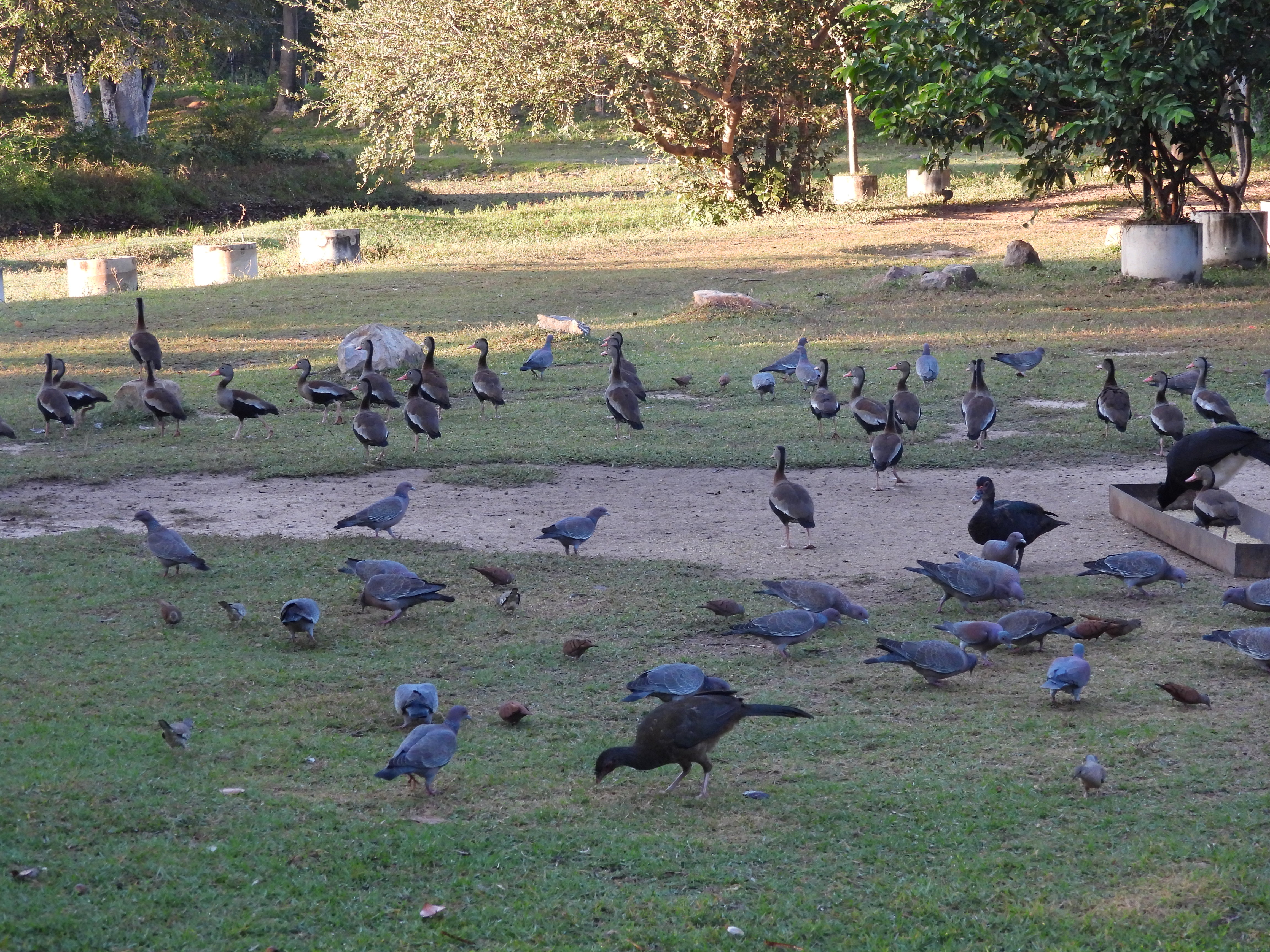 We met the woman who owns the property and learned that the many birds on the property weren’t there when she first took ownership of it. She used to feed them, so many would return to eat, then eventually stay. In more recent years, the birds have left parts of the rainforest ravaged by fires and found a safe home on her property. The taiper who tried to join us for dinner twice, is in fact a rescue, so everything we observed was very comfortable for that cute creature. We also saw an enormous stork walking on the property one morning who arrived under similar circumstances.
On the drive into the lodge we passed a statue of one of the men who accompanied Theodore Roosevelt on the River of Doubt expedition starting down the Amazon, Candido Rondon. He was from the Northern Pantanal area, and was so highly regarded, Albert Einstein nominated him for a Nobel prize because of his ability to make peace with the local Indians.
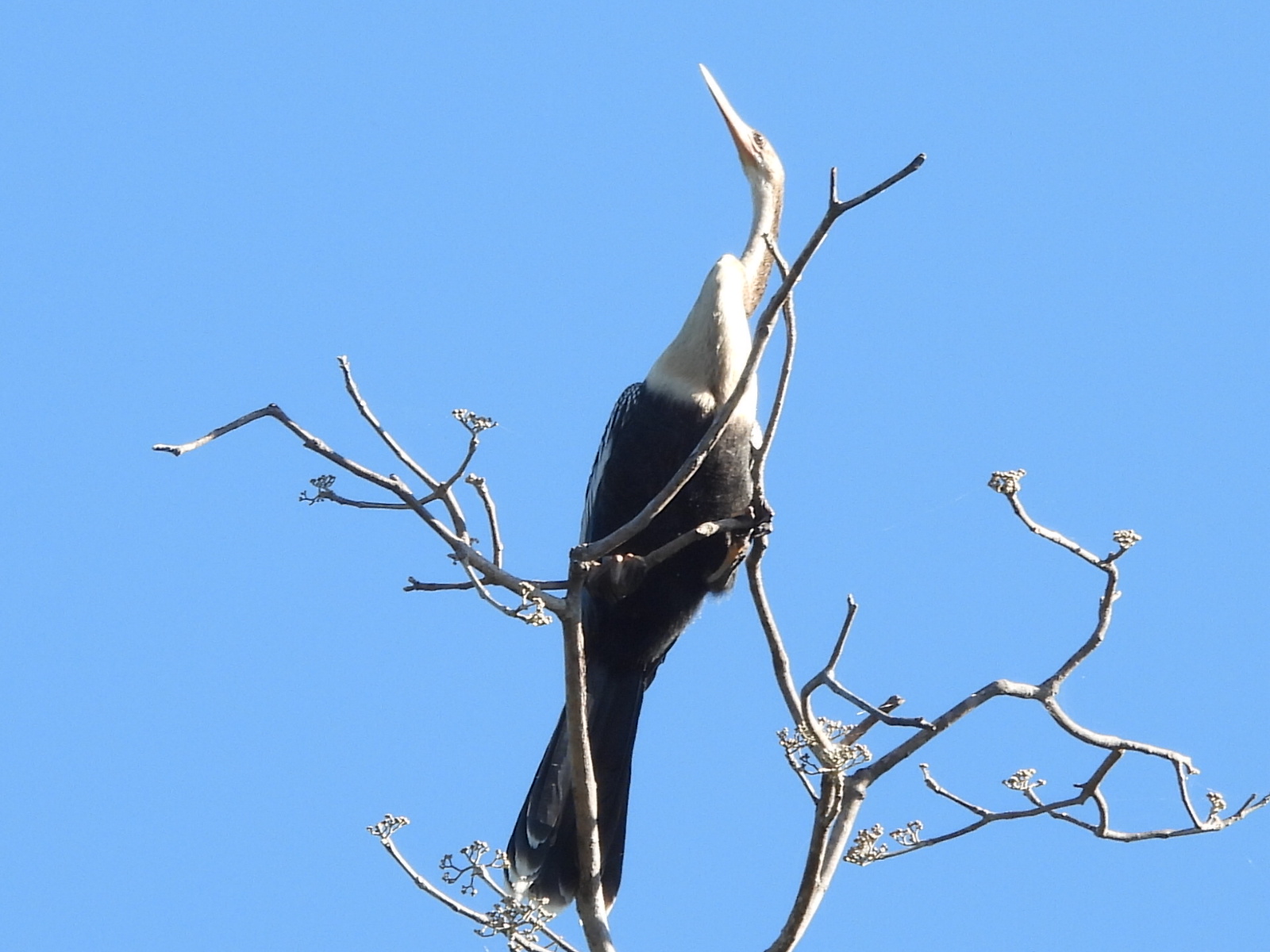 For anyone considering this trip, many birds and animal experiences await in the Amazon, Rio Negro, and the Pantanal. It is not the part of the Pantanal where there is a high likelihood of seeing a Jaguar, but one can still savor travel moments there, and experience the true interconnectedness of the natural world and the richness of animal life and nature that Brazil has to offer. Which animals appear on any given day in either location is up to Mother nature.
Al Photos Jann Segal
 Travel the World with Passion