“The flowing water carves the canyon, not the standing stone.” Monika Ajay Kaul
According to writer Jean Paul Sarte – or at least to paraphrase him – when you describe an adventure you’ve had from travelling, you’re really starting from the end. You aren’t telling about it while you are there, but after you’ve returned, and including its history in the process. Thus, you are grabbing time by the tail.
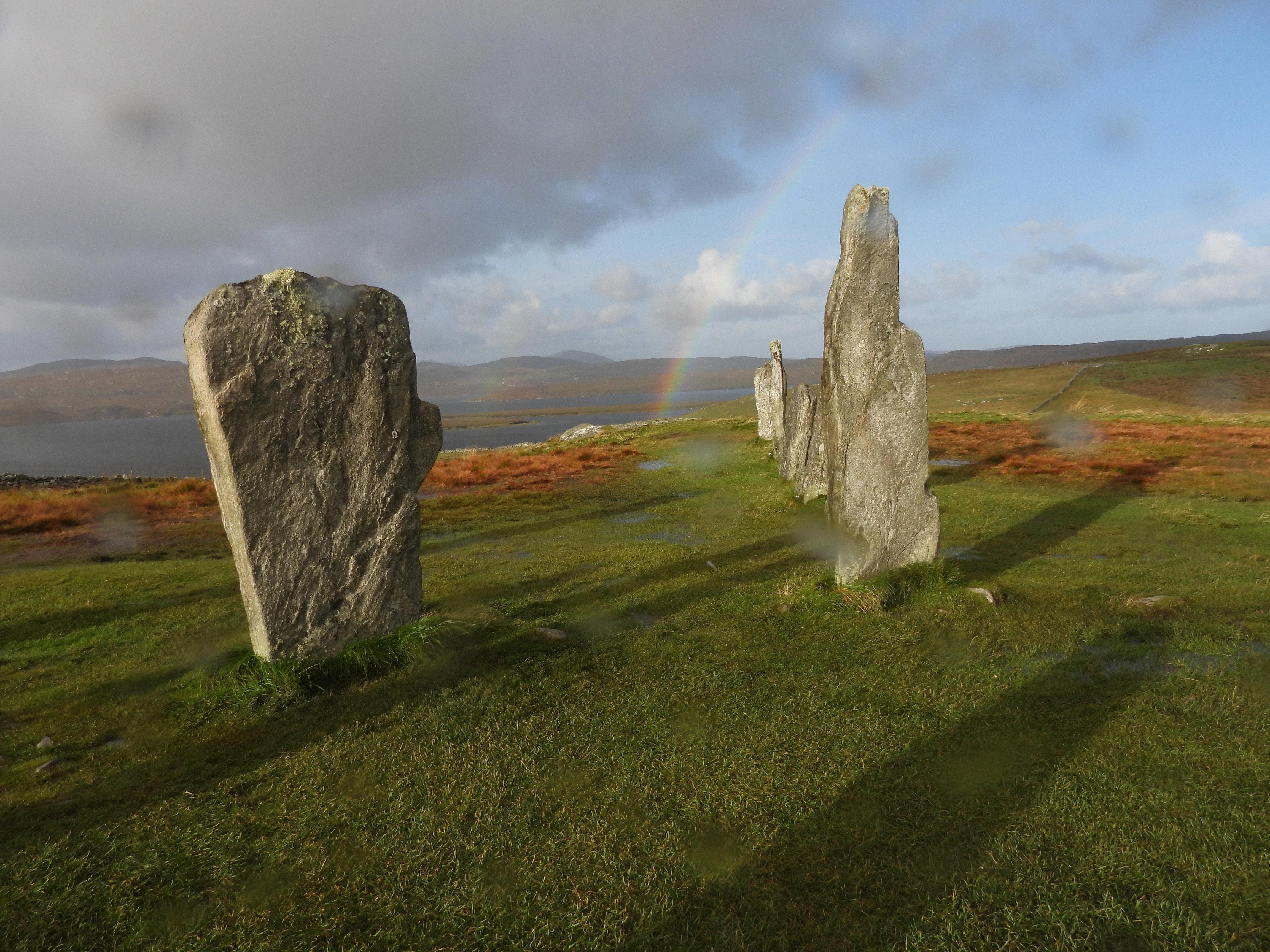 This was most certainly true when I visited Scotland recently on the Overseas Adventure Travel trip Scotland Revealed, and saw two different locations for their unique standing stones. In fact, on the OAT Mongolia trip we visited the famous Deer Stones close to Moron. These sets of standing stones around the world are part of a grouping of tens of thousands, and the only way to describe them is of course to grab time by the tail and in reality, to start at the end first.
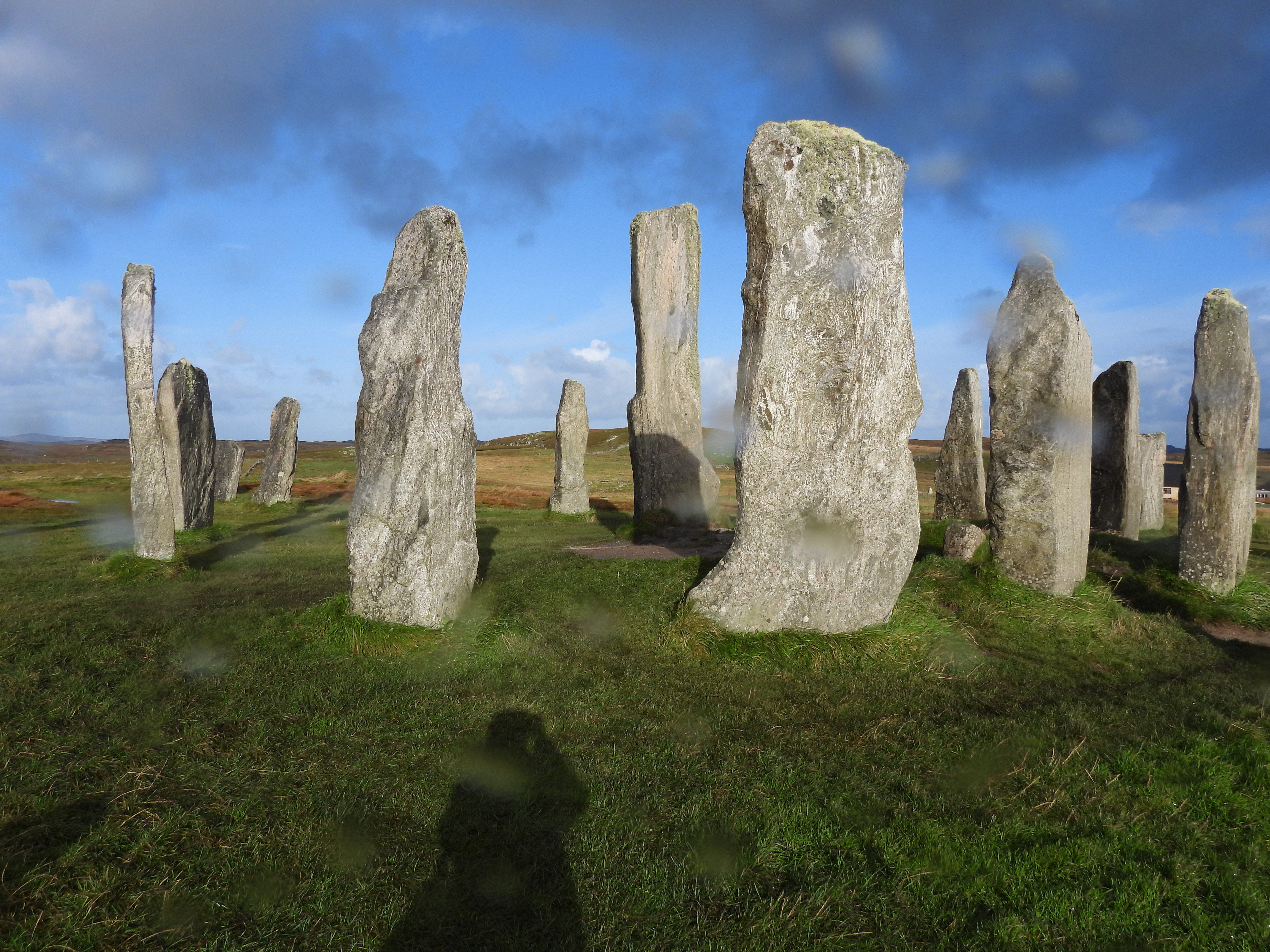 Standing stones can be seen in various parts of the United Kingdom, Europe, North Africa, and Asia. Known formally as menhirs, there are some 50,000 examples of them in Europe and Great Britain, and 12,000 in France alone. I had the opportunity to visit sites where three circles of these stones currently exist; two in Scotland, and one circle in Mongolia. The latter are known as deer stones. I had been to Stonehenge in England decades prior.
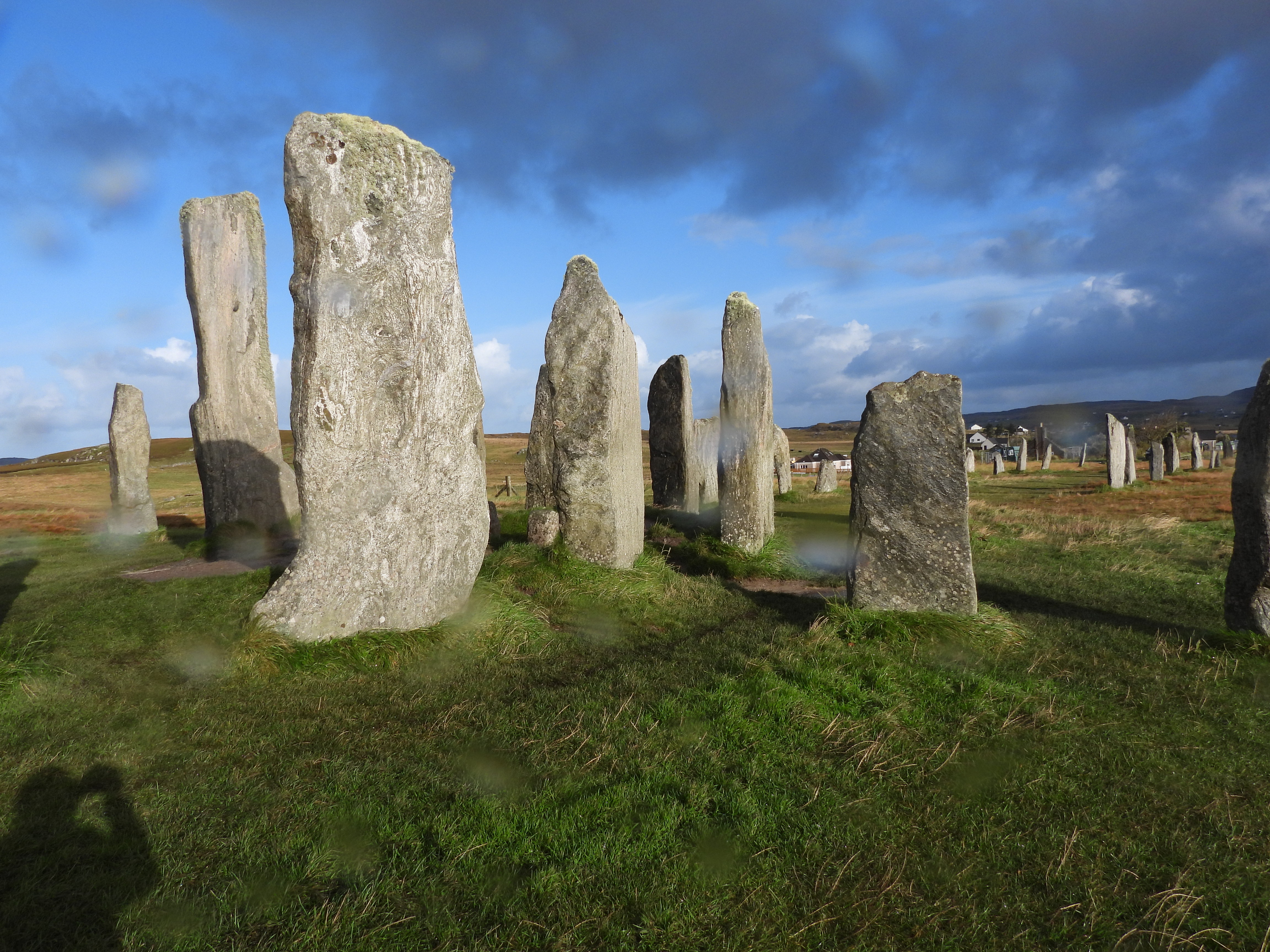 The Callanish Standing Stones in Lewis on the Isle of Harris and Lewis in the Outer Hebrides In Scotland is a Neolithic Bronze Age monument over 5,000 years old, and predates Stonehenge in England by approximately 1,500 years. Known as the Callanish Stones in Gaelic, they form a circle, with larger central stones, formed around 2750 BC. However, there are Callanish 2, 3, 4 and 7 stones, and have been collectively referred to as the Calanais.
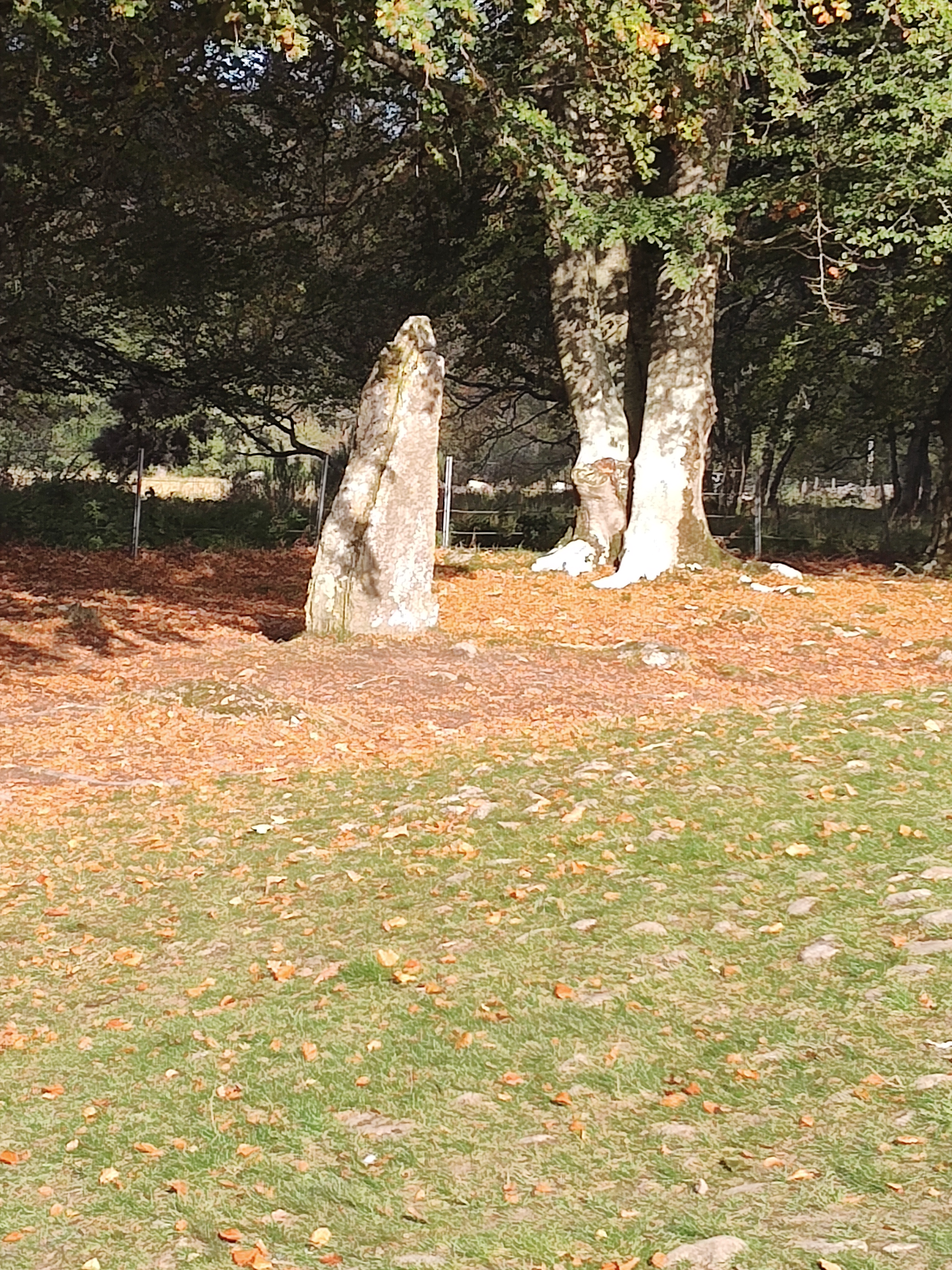 We also saw the Clava Cairns standing stones outside of Inverness. They too, are from the Bronze Age, constructed 4,000 years ago. They are part burial complex and part the remnants of a Medieval chapel. They are circular like the ones we saw in the Hebrides, but much more spread around the burial grounds and less centric. There are also Cairn stones at this complex, which is a Gaelic word for ” heap of rocks.” These mounds were likely the chapel remnants, since we could walk inside them.
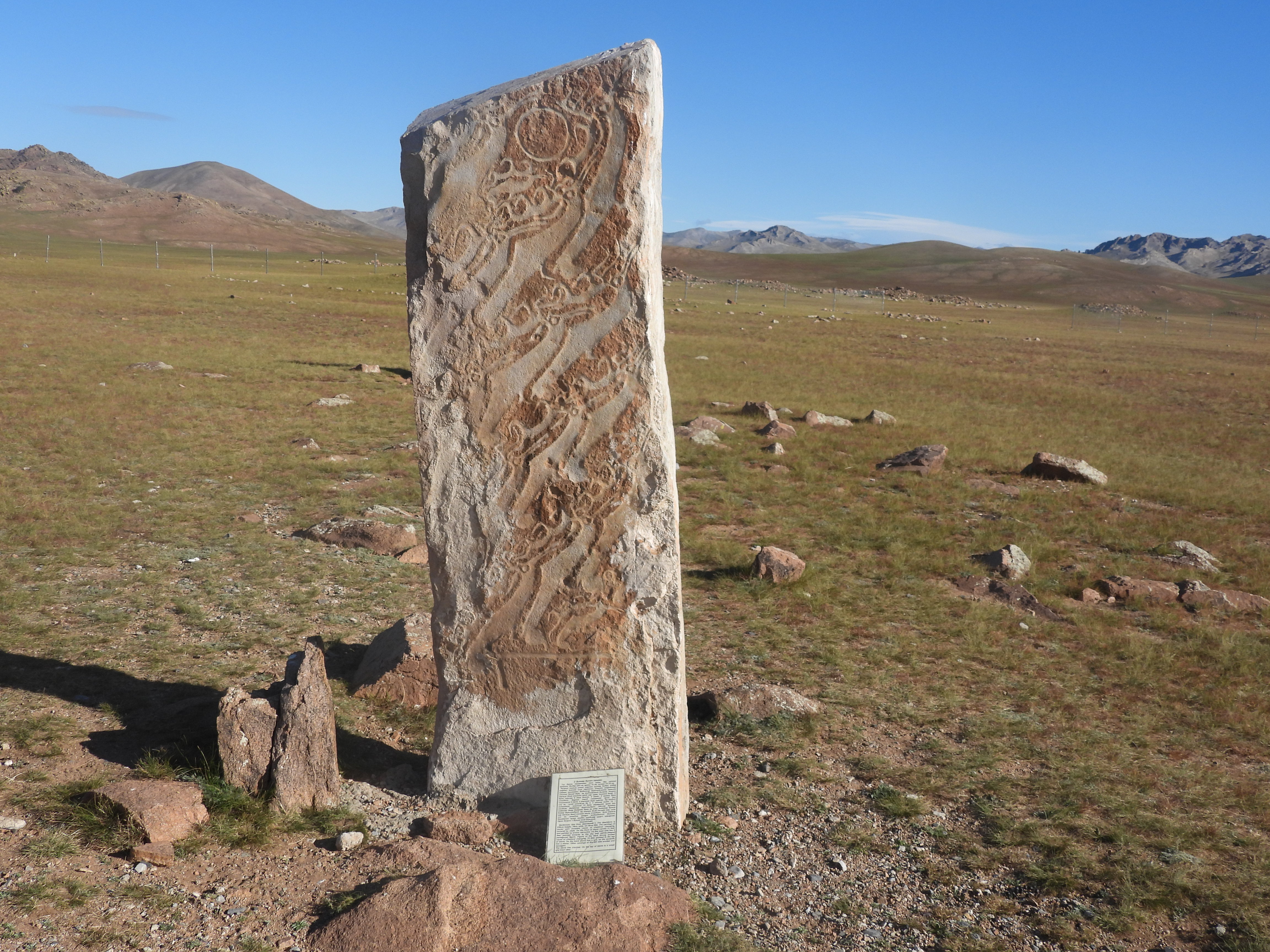 The Mongolian deer stones are distinctive carved monuments, also associated with Bronze Age warriors, funerary practices, and the symbolic world of the ancient steppe in which they are located. The ones most touristed are on the way to Moron, but they are still in a remote part of the country. They are approximately 3,000 years old. The faces and other carvings on them make them distinctive from other standing stones.These deer stones are often found alongside large burial mounds called khirgisüürs, stone altars, and sacrificial features. Horse remains are also an important part of these archaeological complexes.
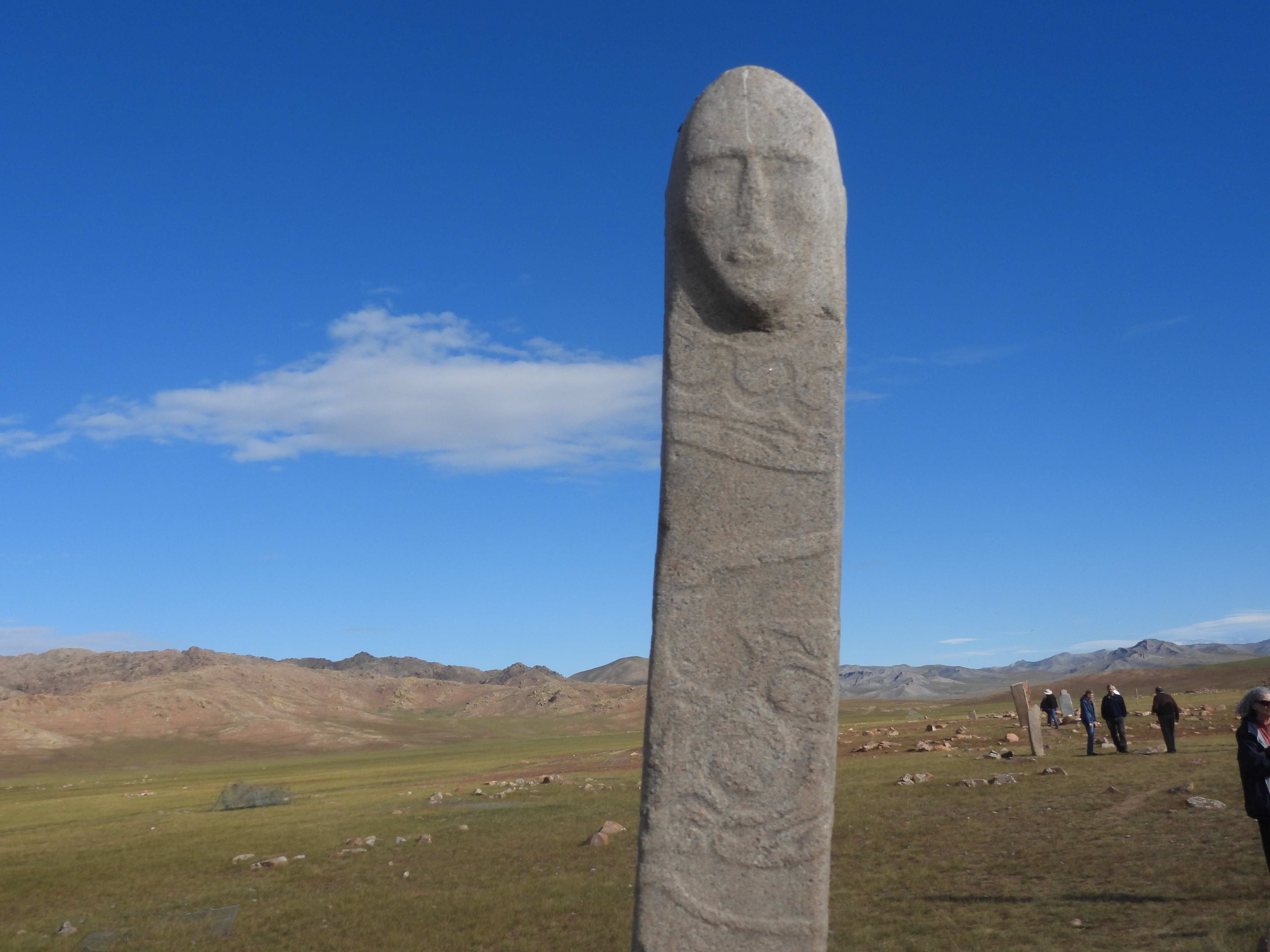 The precise meaning of the carvings is not known. Some archaeologists interpret them as representations of individuals, possibly warriors or chiefs, while others emphasize their spiritual and cosmological significance.
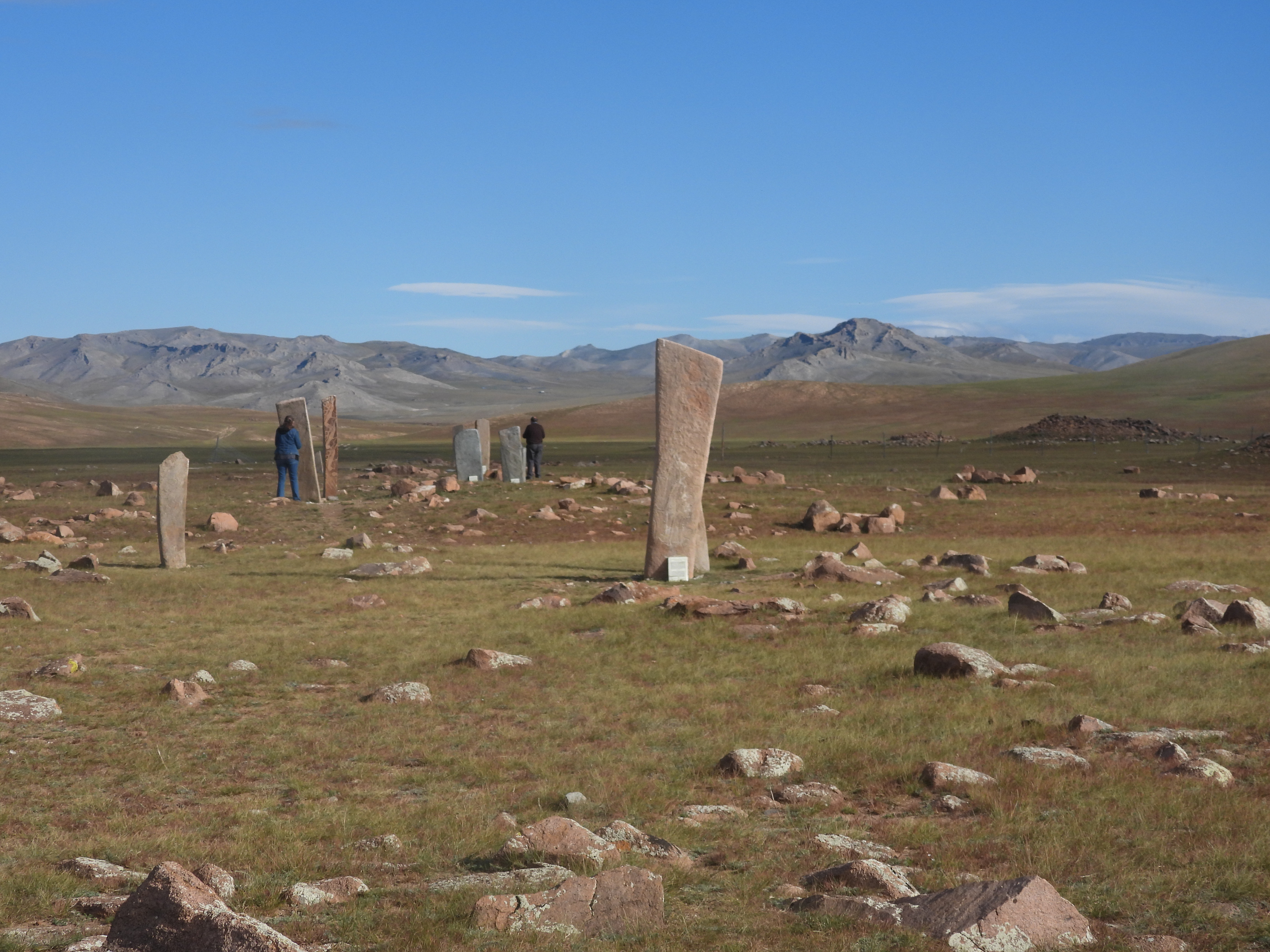 All cultures with any form of standing stones, from Scotland to Mongolia, are preserving ancient traditions from antiquarian communities. The Scottish standing stones and the Mongolian deer stones are separated by thousands of miles, different environments, and distinct cultures. Yet they raise remarkably similar questions. We will never know why these different cultures all used enormous stones, what they placed them in unique landscapes, and what they represented to each culture during the lifetime of the culture and for centuries after the cultures disappeared. Most, however, are associated with the solar system as a calendar, to tell the days and time, acknowledge solstices, as well as ceremonial rituals.
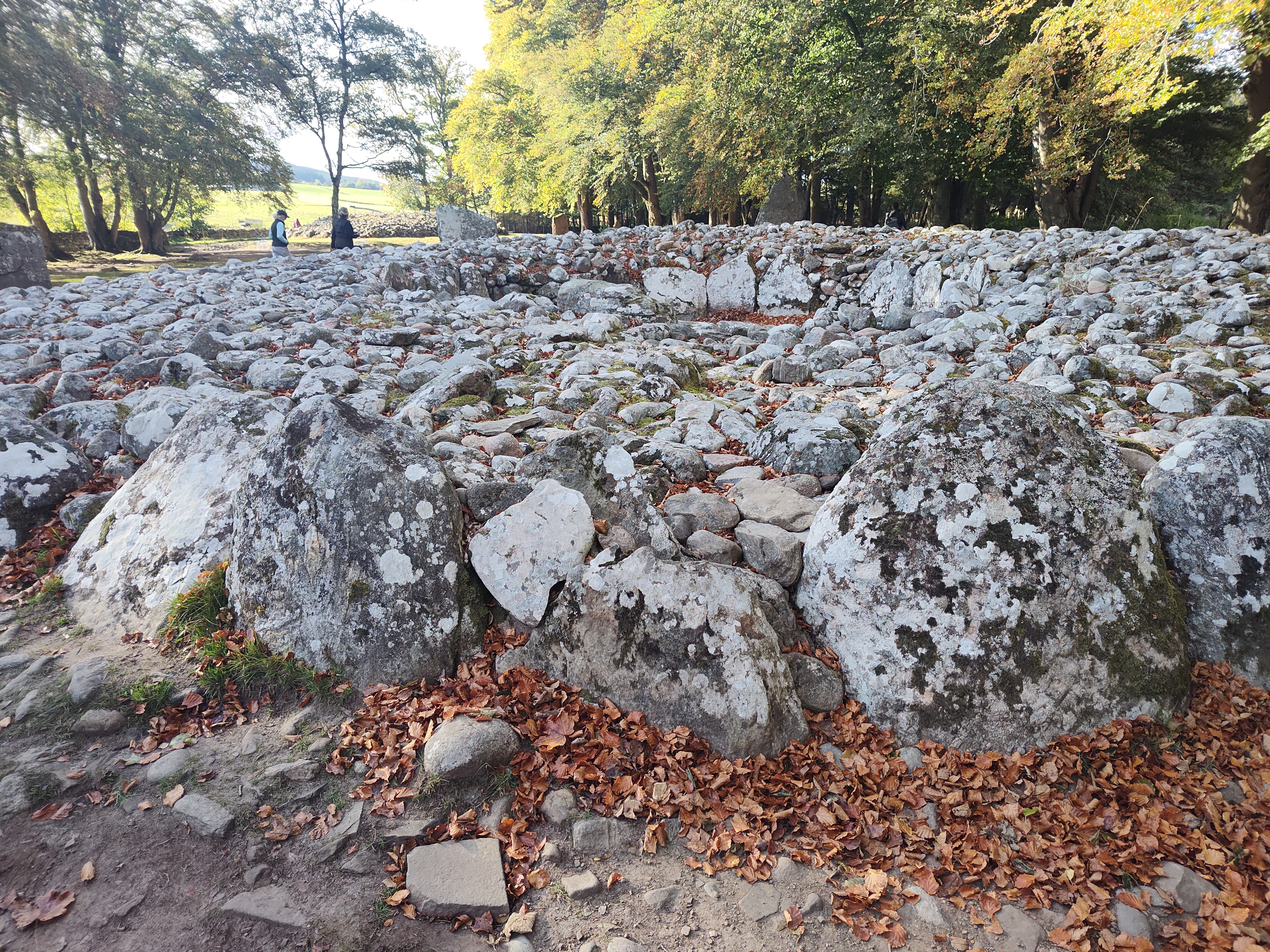 The green patina of time does in fact surround these Neolithic Bronze Age monuments, and it informs the experience of seeing them as well. In Scotland it was a different experience then seeing Dolly the sheep in the National Museum of Scotland, or a verdant topiary, a recreation sculpted to look like the Loch Ness Monster. In Mongolia it dates further back in time then the use of the ger or yurt from about 2,000 years ago, while the deer stones go back to 1200–600 BCE, the late Bronze Age.
But time and the understanding of how it is part of the experience of seeing standing stones is the traveler’s best friend. It’s a gift that we have so many of them around the world that have been preserved for us to experience.
.
All original content and photos by Jann Segal

