“Come and sing a simple song of Freedom/Sing it like you’ve never sung before/Let it fill the air, tell the people everywhere/We the people here don’t want a war.”
Bobby Darin
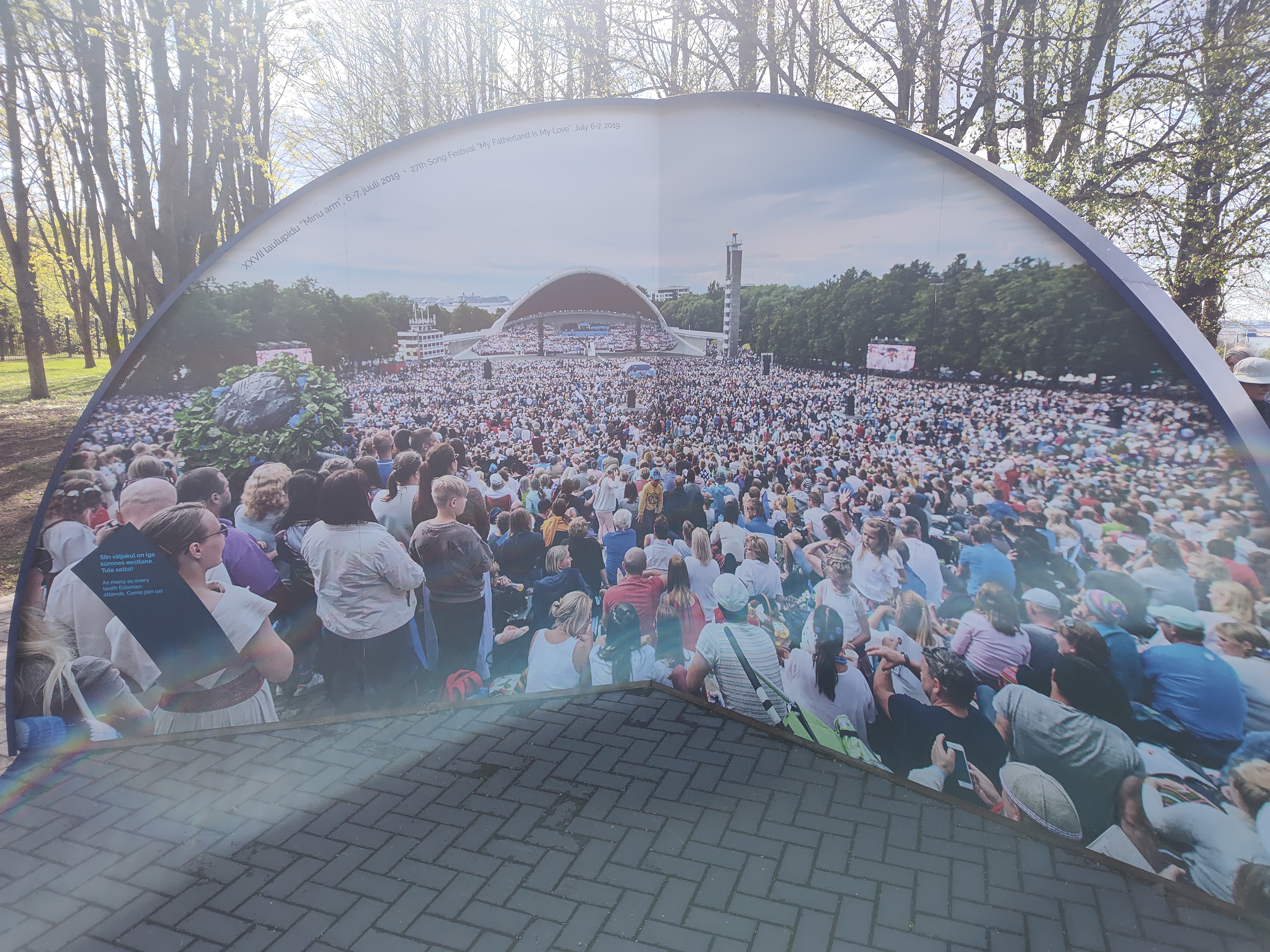 While the above lyrics were written in the 1960s to protest the Vietnam War, they resonated with me after my Overseas Adventure Travel trip, Baltic Capitals. The primary theme throughout the trip was how over two million people in three countries stood holding hands in a human chain and sang for their freedom from the USSR. They sang simple songs of freedom in Lithuania, Latvia, and Estonia, and ultimately prevailed first in 1990, then finally in 1991. But the singing itself went from 1987 to 1991 and became known as the Singing Revolution.
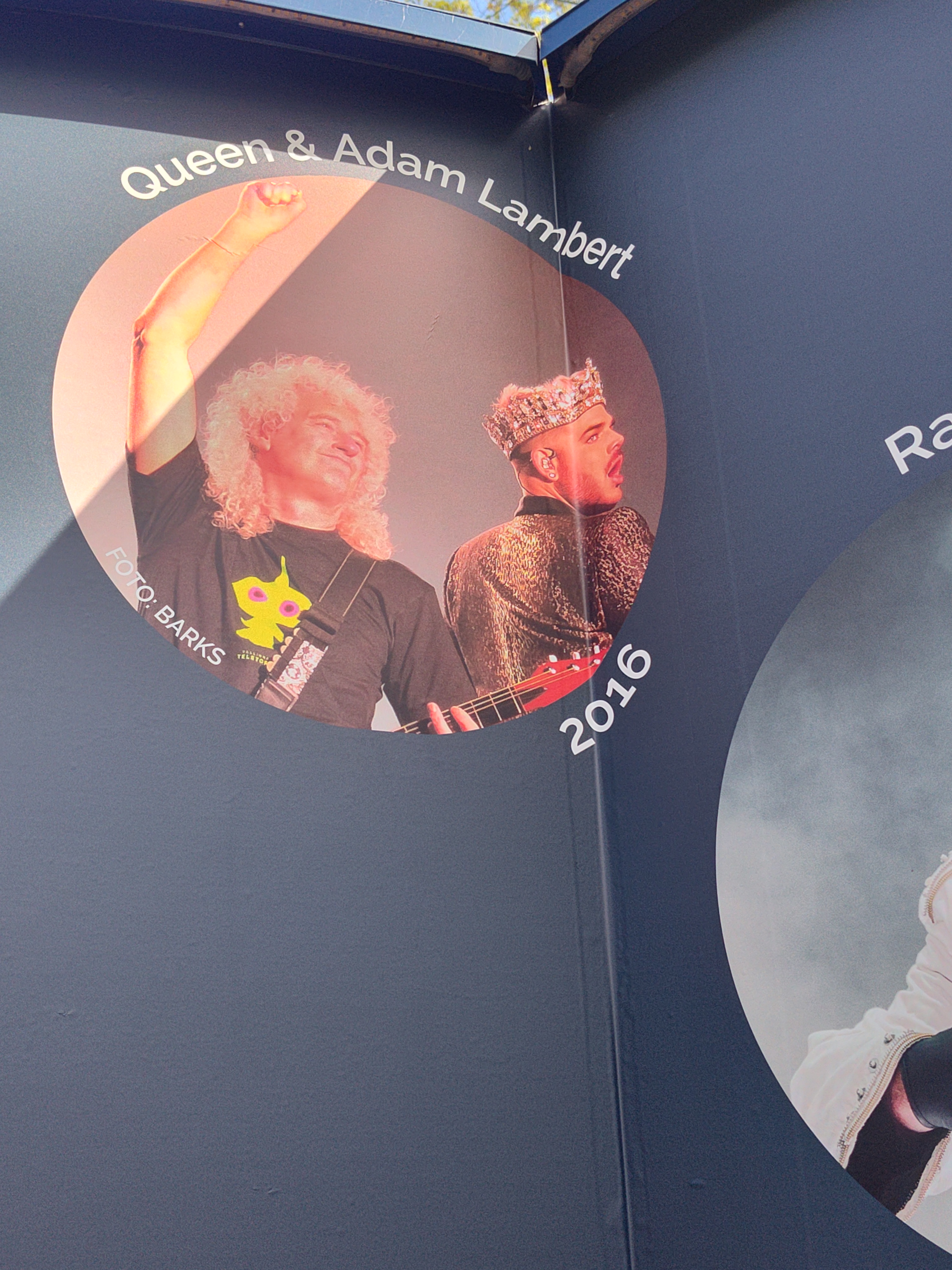
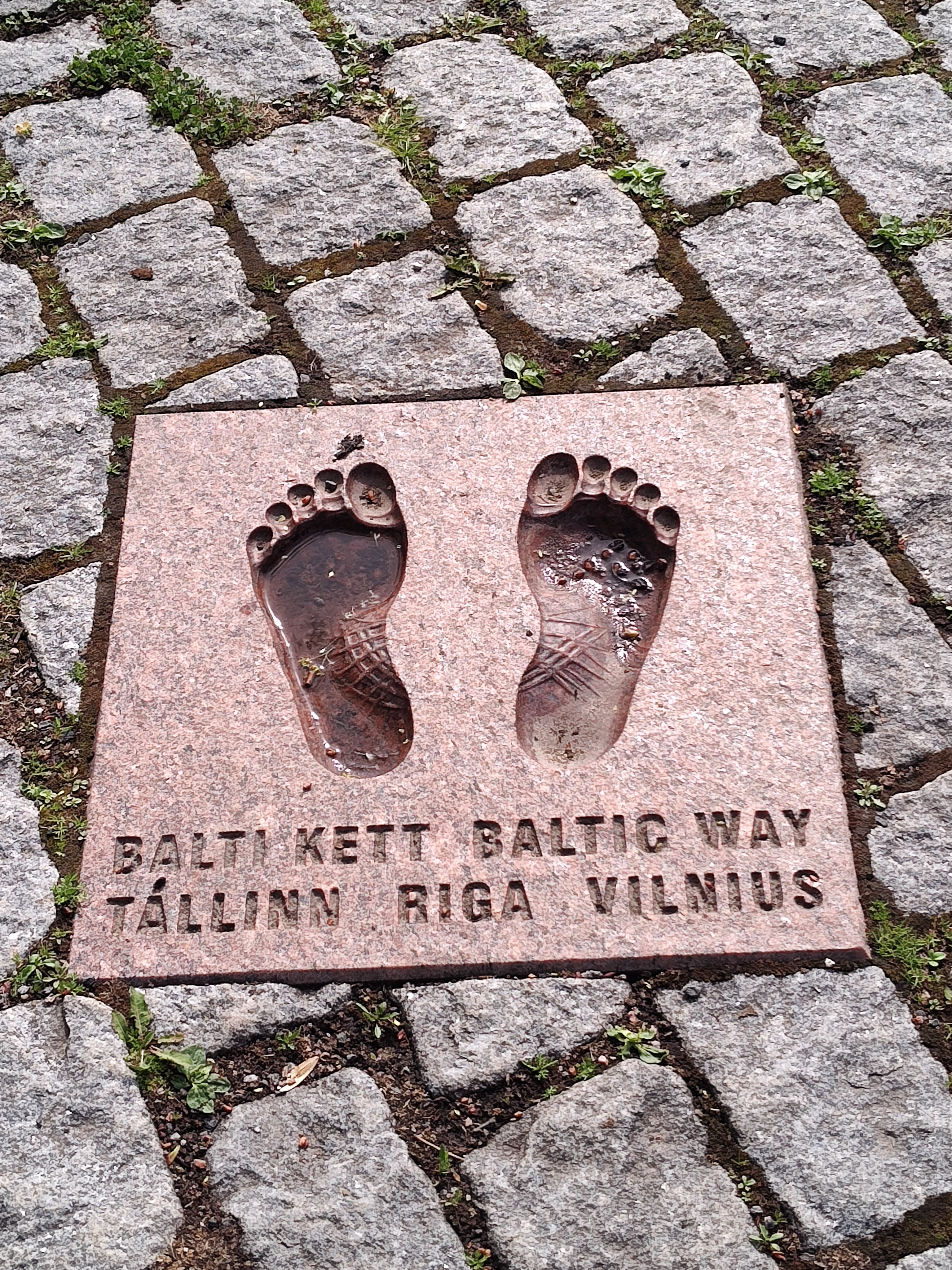 The Baltic Capitals are famous for the Singing revolution, which began in Estonia. Millions of people stood in their countries and held hands singing in a chain of resistance that had not one gap, from 1987 to 1991. We visited the spots in each country where their part of the revolution began which led to their independence. The largest area in Estonia where this singing chain occurred is now a concert venue. I had tears in my eyes as I saw it. It’s next to a communication tower, which the Estonians fought hard to defend since it gave them unfiltered news of the outside world that couldn’t be intercepted. Many musicians we all know have performed there since.
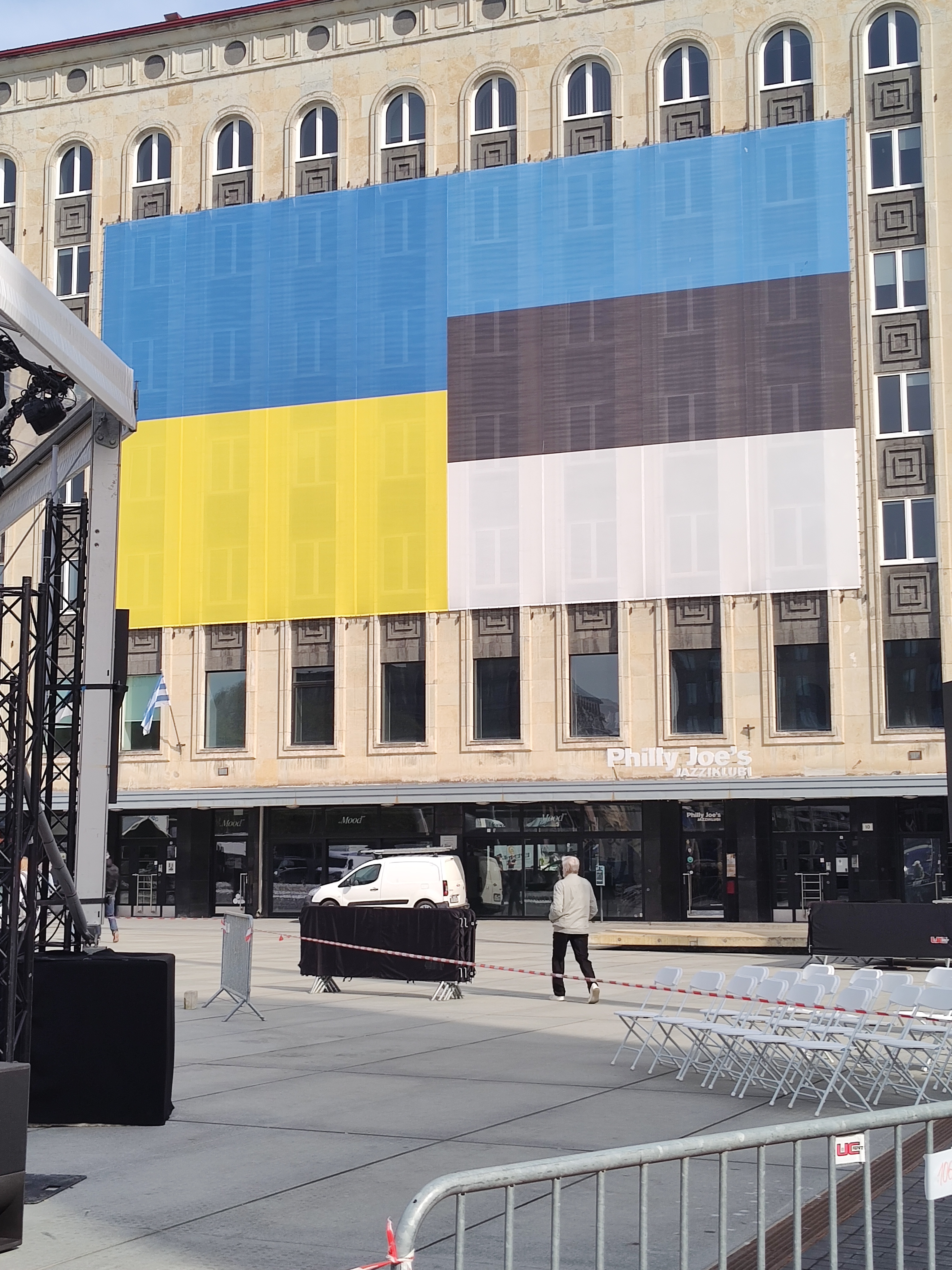
 History in the Baltics can be very confusing, since Estonia was occupied by both the Germans and the Russians, had a brief period of independence during the inter -war period, came back under Russian dominance after WW2, then finally gained independence starting in 1990. There were more struggles in 1990 as the Soviet Union was collapsing around them, and independence became permanent in 1991. They do, however, feel Russia nipping at their heels every day and openly show support for Ukraine to oppose the Russian aggression. But this is a strong and resilient region with a proud history. One of the reasons they were finally able to achieve independence was because they learned that the Russians had illegally seized them in 1940 in a non- aggression pact with Nazi Germany and forced everyone in all three nations to get Russian passports.
 In all three countries during occupation, churches and synagogues were left inactive during the Russian years because religion wasn’t encouraged. The people even had to hide a Christmas tree if they wanted to have one. Local languages and cultural norms were additionally prohibited, and mass deportations were carried out into Siberia for intellectuals, dissidents, and others deemed undesirable. Many tried to hide in the neighboring forests to avoid deportation, but over 30,000 died doing so. So, the singing continued.
Civic organizations such as Sąjūdis in Lithuania, the Popular Front of Latvia, and the Estonian Popular Front organized public song festivals of resistance and nonviolent political protest. These singing protests reached their peak on the 50th anniversary of the Nazi non-aggression pact, when the entire USSR was weakening in its desire to keep formerly independent nations part of the communist Republic.
 Once all the Baltic countries that were once part of Russia were liberated at one time from Russia in 1991, they also became independent from each other simultaneously. We heard a speaker in Lithuania who said that while they all wanted independence, the days following the Independence were difficult because the governments had to decide how to run the countries independently, and of course that took some organization following some likely disorganization. All countries that became independent faced that, and the Baltic nations were no different.
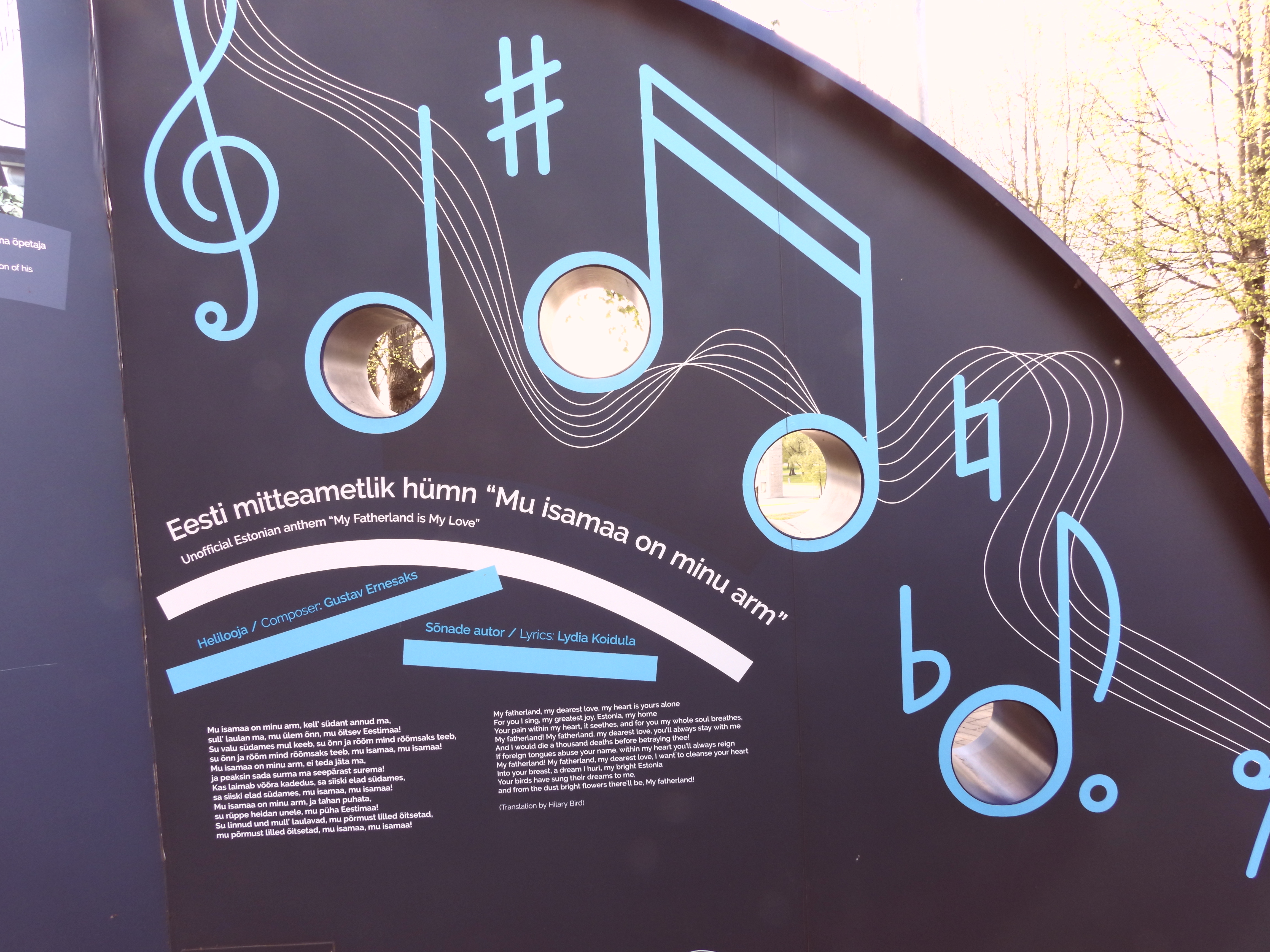
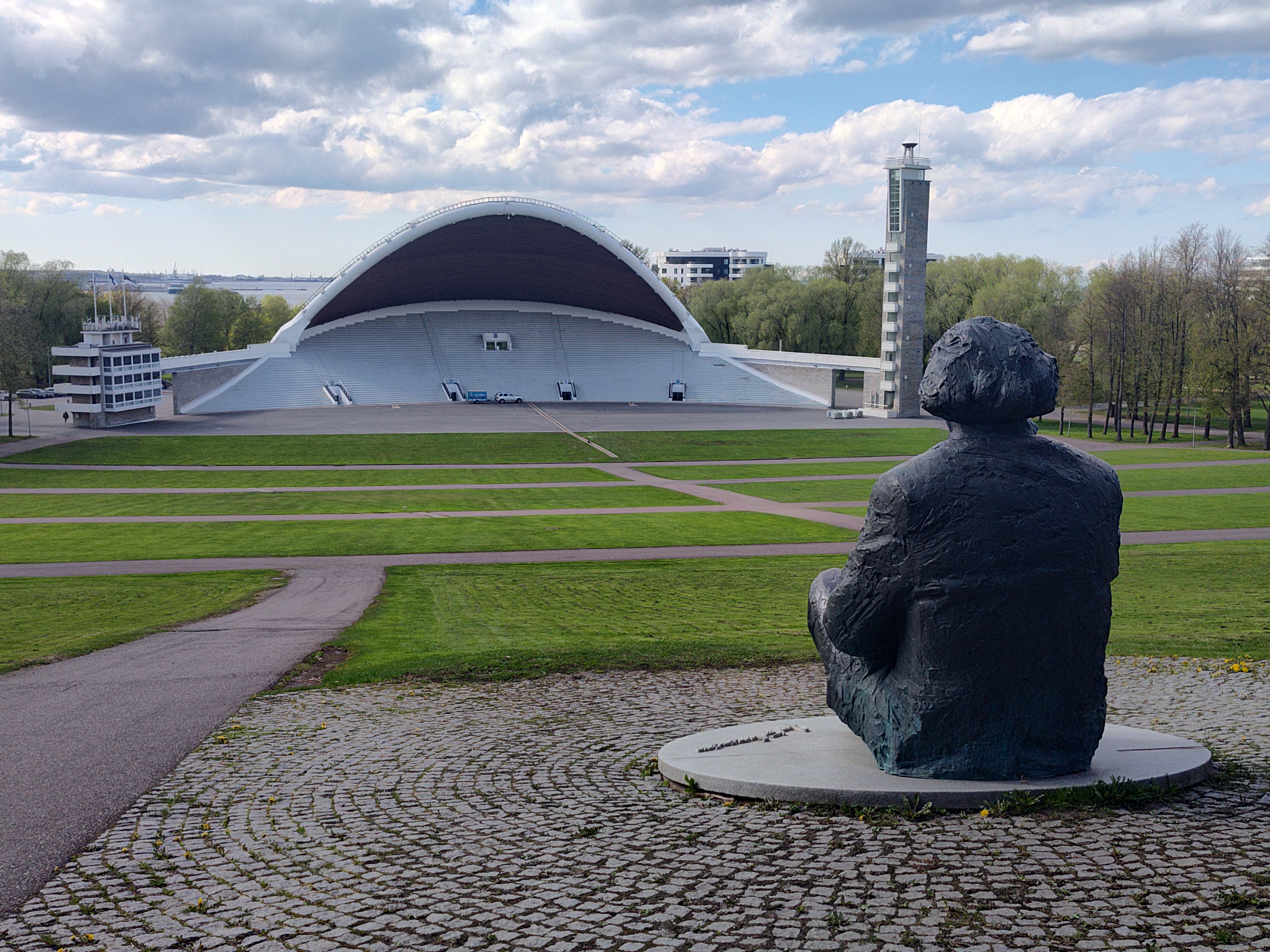 What is uniquely different and powerful, is that this remarkable part of history began with a series of sings performed by a human chain. As even their sculpted art at the sire of the festival in Estonia shows, its certainly a cause for reflection.
All photos and content by Jann Segal

