“We are not putting down arms. We will be defending our country, because our weapon is truth, and our truth is that this is our land, our country, our children, and we will defend all of this.”
Volodymyr Zelensky, President of Ukraine
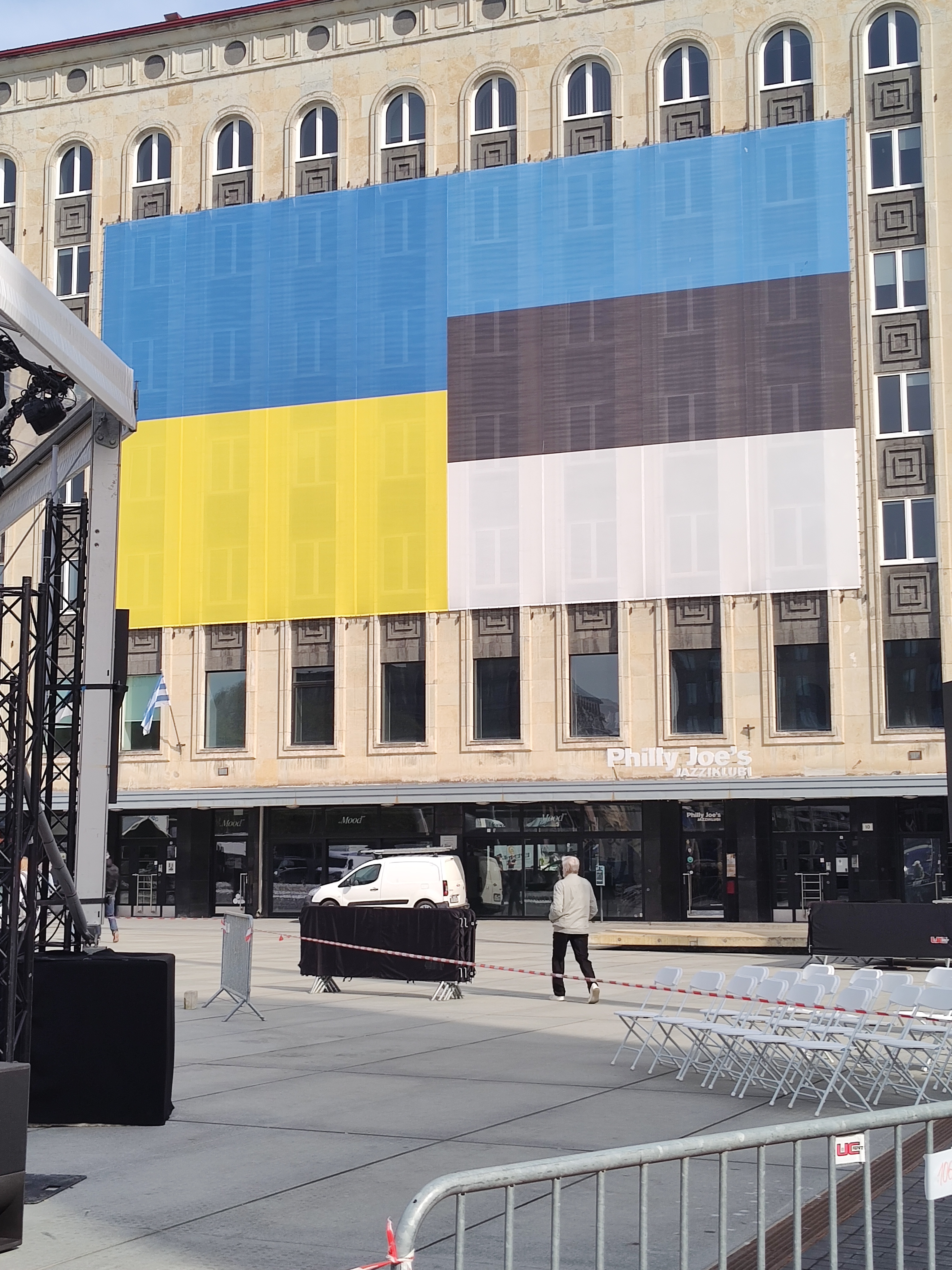
 During the Baltic Capitals trip I took with Overseas Adventure Travel we explored the major cities in the three Baltic Capitals, the first one being the capital city of Vilnius Lithuania. In all three countries we saw overt resistance to the Russian aggression that has overtaken Ukraine. Russia has been nipping at the heels of the Baltic countries, most especially its closest neighbor Estonia. But signs of resistance were everywhere.
Vilnius seemed to be a city I couldn’t quite identify. It looked extremely modern on the drive in. But of course, as we walked around and saw the sites, we saw plenty left over from past Russian occupation, including some 24 churches in the area that were left inactive during the Russian years because religion wasn’t encouraged. The people even had to hide a Christmas tree. In the center of the city, I was to later learn, was where so much of the protests occurred when they wanted their freedom from the USSR. And reminders of that followed us throughout.
Lithuania isn’t ethnically diverse. The rather large Jewish population of almost 40% were either killed by the Russians, Germans, or fled to Israel. About 80% of Lithuania in Lithuanian. Their notion of other ethnic groups is Polish, Russian, Ukrainian, or Belarussian .To me that makes this a nation that is 100% Eastern European.
Over 5% of their GDP goes to NATO, which they are proud to be part of. They were only paying in 2%, but they want to be in keeping with the US requirements for other nations participating. Given the threat of Russian aggression, it’s obviously mandatory for them to have allies, and they are doing their best to be part of Schengen and the EU, which they joined in 2004.
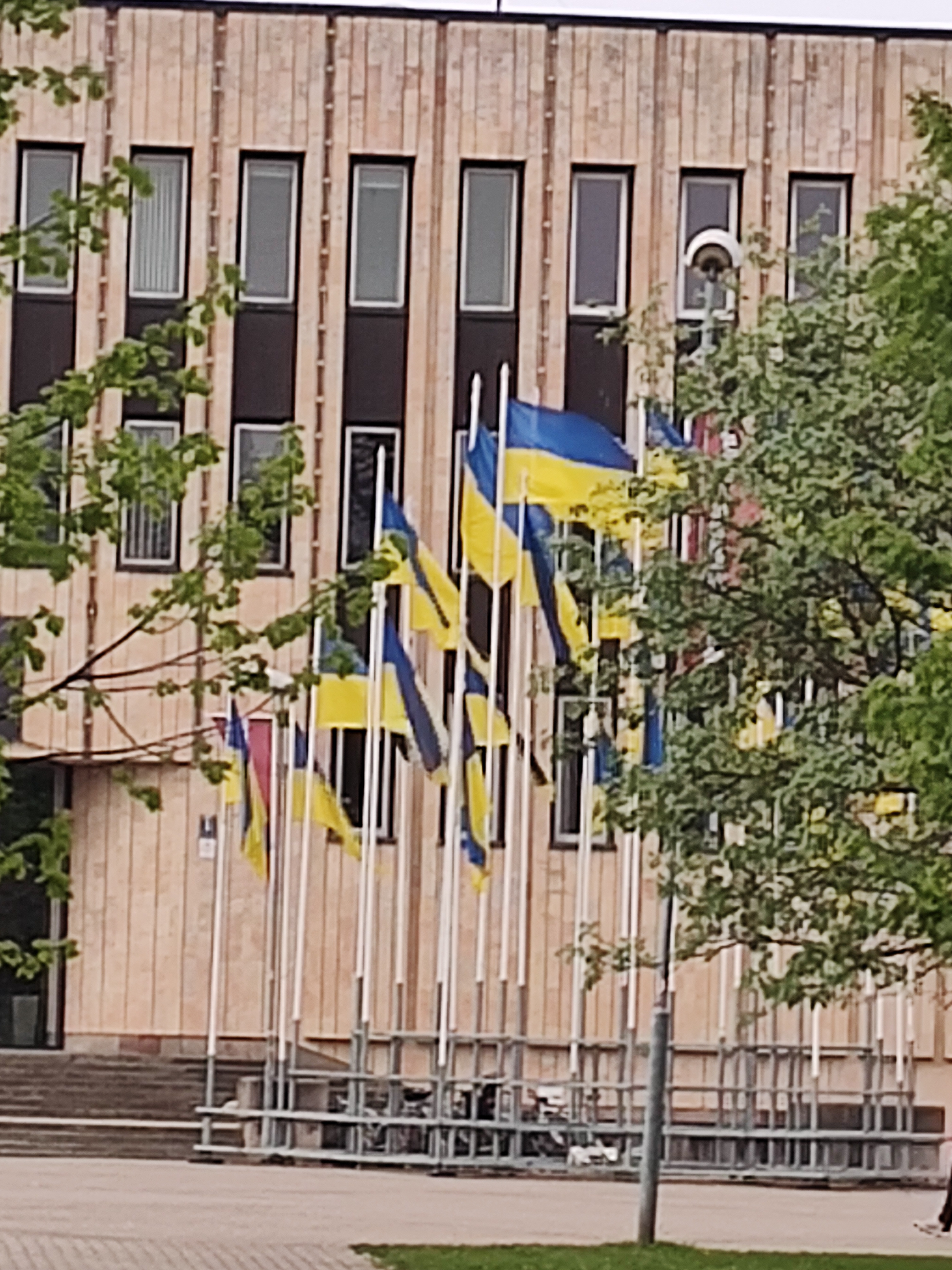 In Latvia, which gained independence along with Lithuania and Estonia and is equally fearful of Russian aggression, we heard how our trip leader felt about speaking Russian, even to her grandmother. She felt she was speaking the language of the enemy. Language and identity go together culturally of course, but this is a complex part of the world with complex issues that ordinary citizens face every day. Every country has issues and every family has dynamics. But to feel you are speaking the language of the enemy when talking to a family member is remarkably unique and speaks volumes for how a neighboring county with major influence and dominating power can adversely local impact people in their daily lives. And of course, it speaks to the fear these neighboring people have that Russia will strike them next.
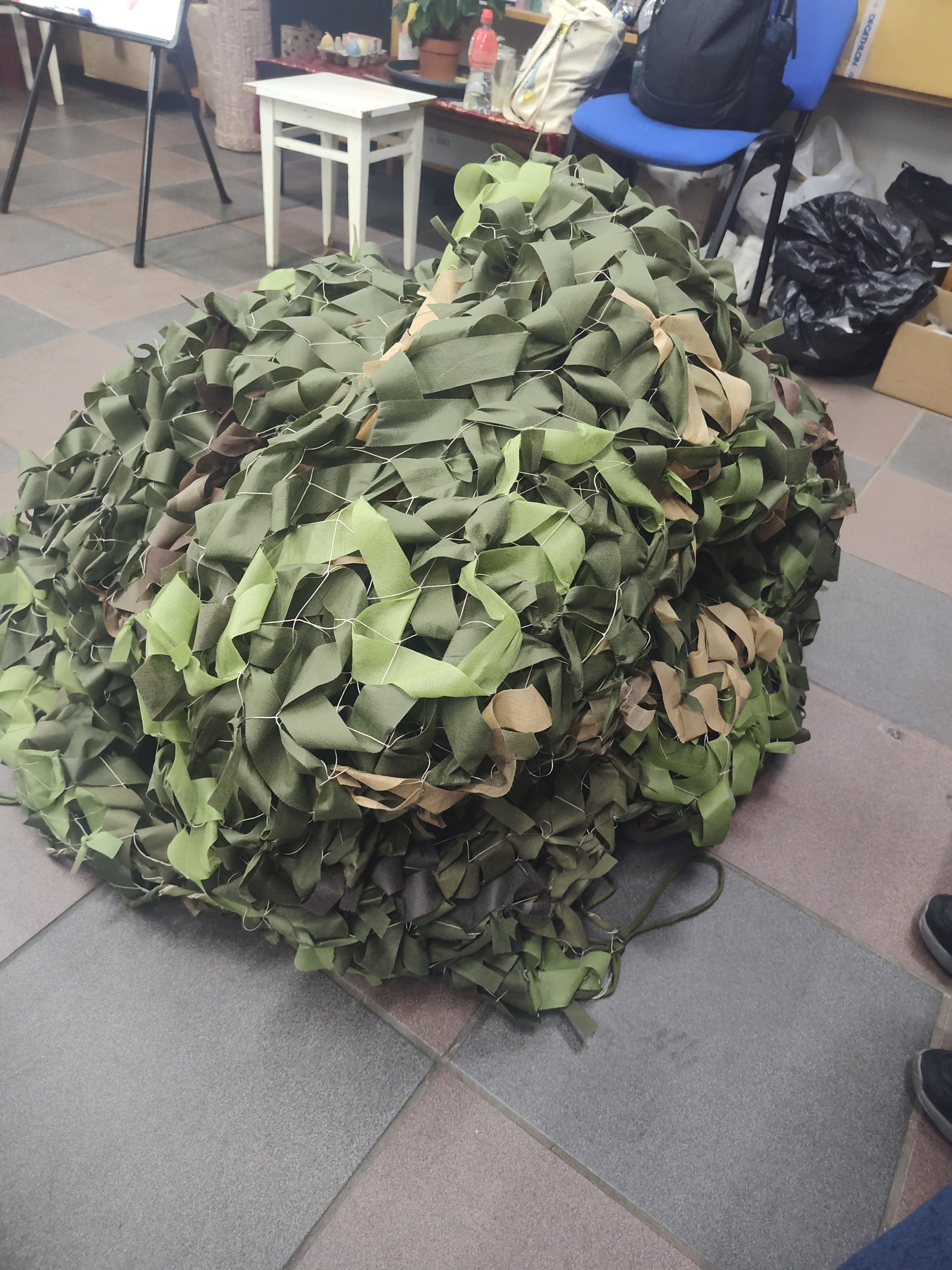
 We got an even bigger dose of that in Riga, Latvia when we went to visit Ukrainian refugees and helped them build camouflage netting for their tanks, so the Russians won’t be able to find them in battle. Those working there spoke Ukrainian only, and through her we heard their harrowing story. They literally had to go through Russia to escape to Latvia at a brief slice in time when movement was possible. Prior to that it hadn’t been possible. This broke my heart. It could have been my family still in Ukraine. I identified my 100% Ukrainian heritage to the English-speaking woman who explained their tormenting story to us, and as I was doing my part in building the netting, they looked at me with the eyes of freedom seeking people. My great grandparents had made it out when their lives too were at stake. Theirs was a different generation of course, but the struggle ot seek freedom is inherent in all of us.
 These grassroots groups supporting Ukraine have sprung up in many neighboring countries, and there are many runners and volunteers facilitating and assisting, even though they’re all terrified they will be the next to counter Russian hostility. And it was in Riga as well as we walked around admiring the architecture, that we saw Ukrainian flags facing the Russian embassy, a large facial skeleton of Putin facing the embassy, and the Russian embassy street itself renamed after Ukraine.
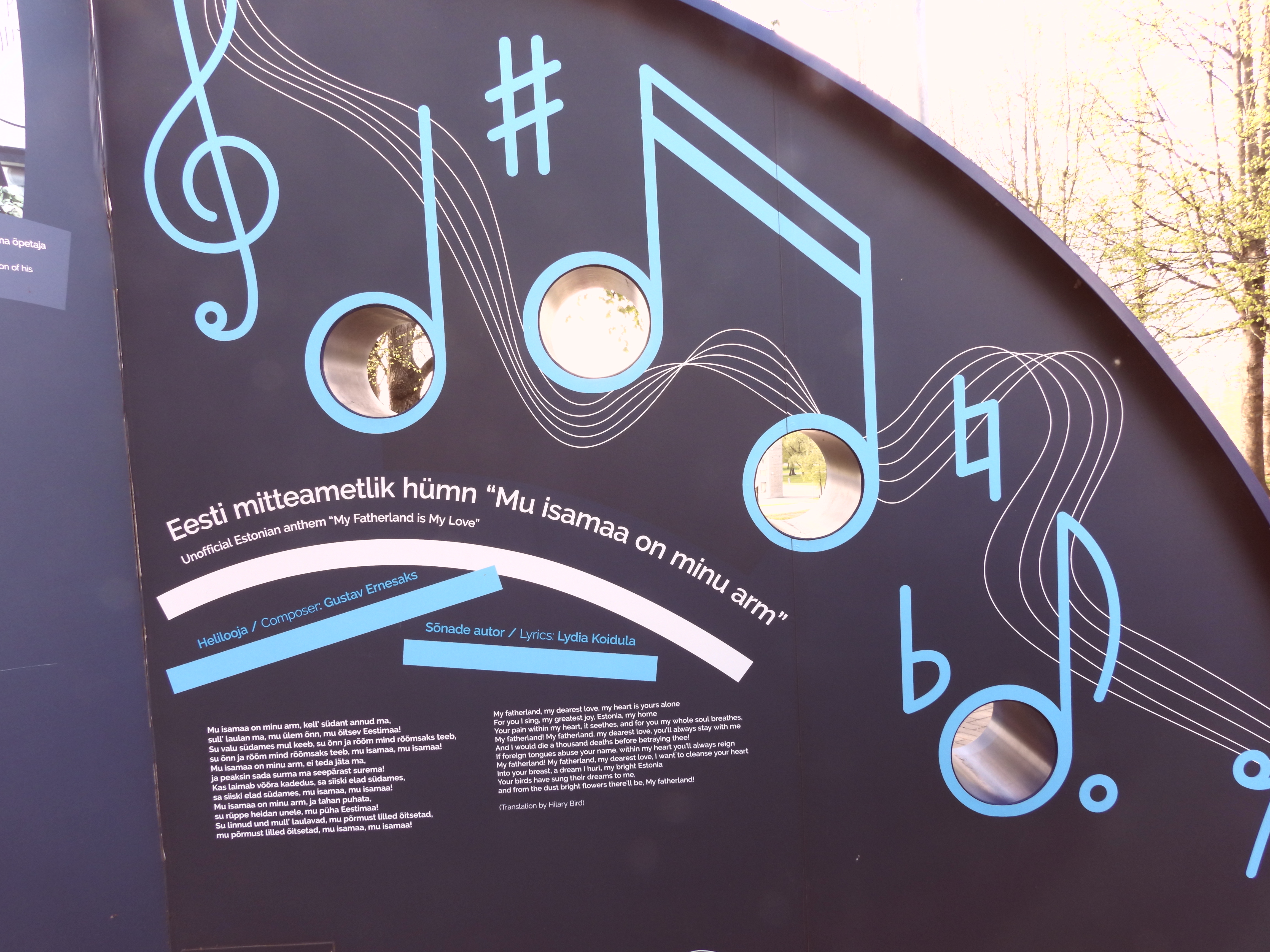 The Baltic Capitals are famous for the Singing Revolution, which began in Estonia and helped them gain their independence through nonviolent song across all three nations. Once one of the countries fell from Russia, the three did so simultaneously, but then all three became independent from each other at the same time.
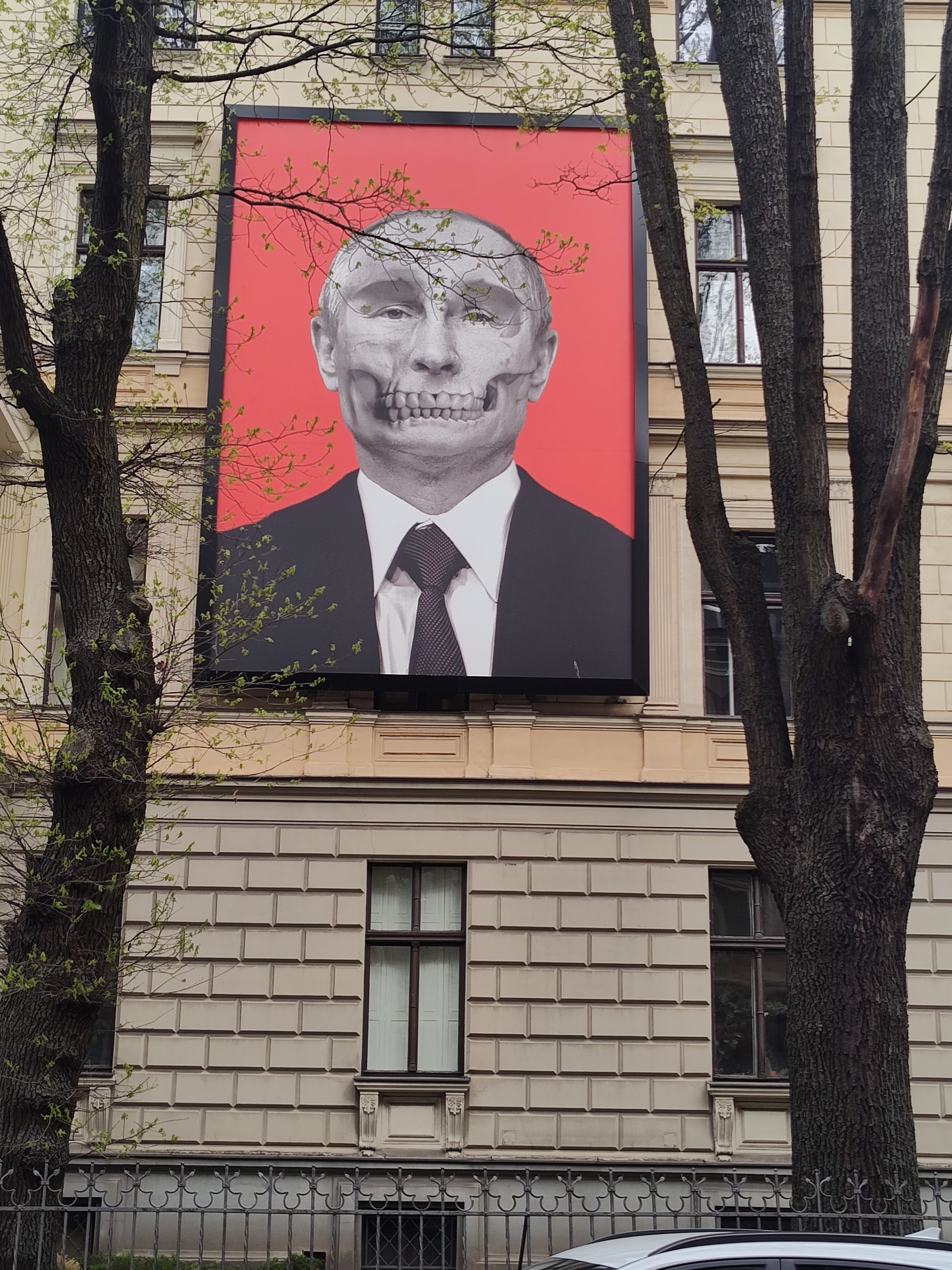 I took this trip several months before the 250th anniversary of America’s Independence. Other countries around Europe were widely in support of this grand anniversary of the American Experiment. However, visiting the Baltic Capitals and being reminded even more than ever about the fragility of freedom and democracy, and what it takes to not only achieve it but keep it, reminded me of the quote by President Ronald Regan who said, “As Americans, we know that freedom is as much a part of us as our blood. It’s not a commodity. It can’t be bought, can’t be sold, and it can’t be bartered away.”
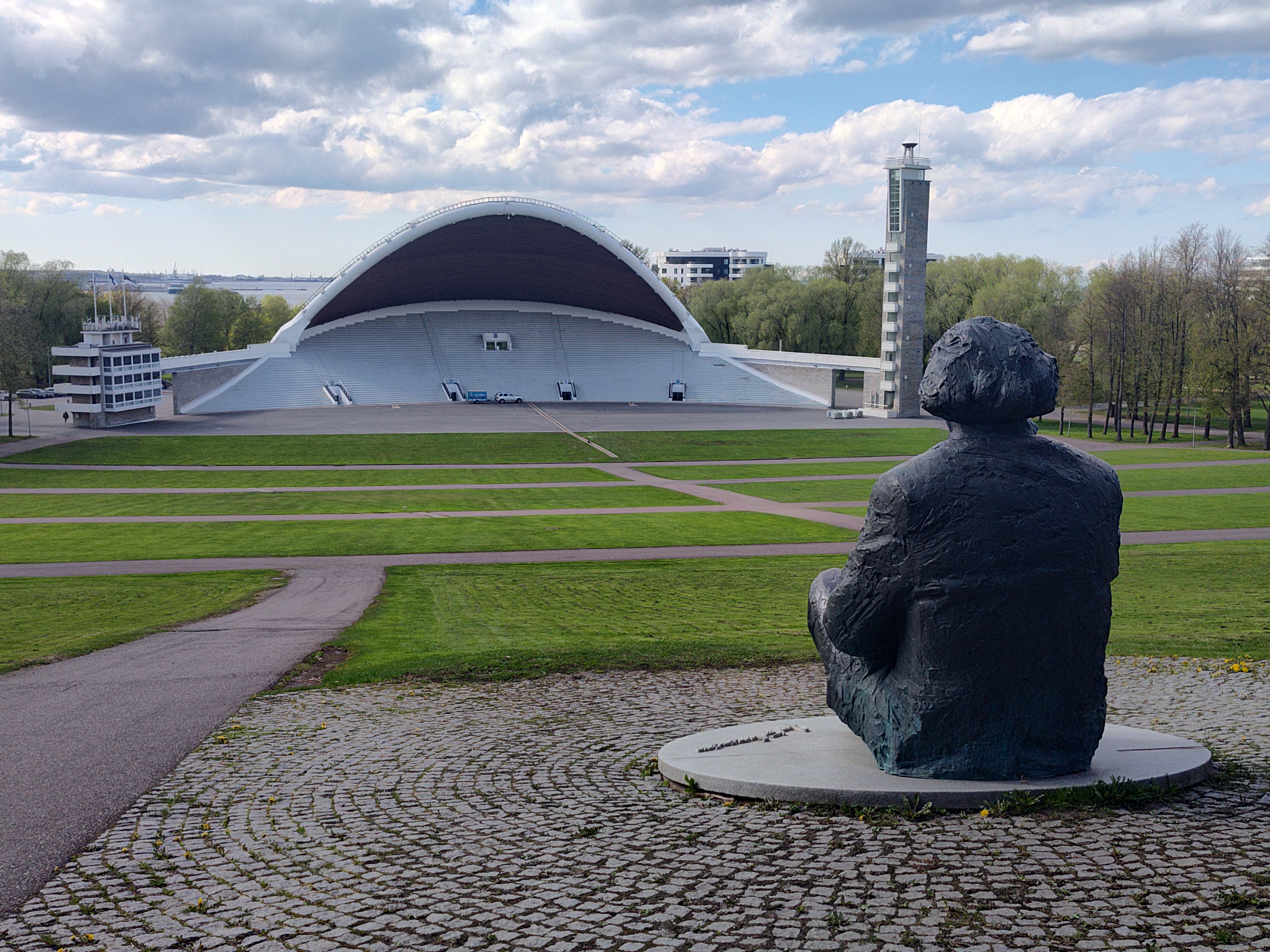 Certainly, in the Baltic Capitals, Ukraine, and other neighboring countries, this sentiment has become a way of life. Humankind is watching, since we all know that a threat to freedom for one country is a threat to freedom for all.
All photos and original content by Jann Segal

