French writer Honore de Balzac wrote, “Perhaps it is only human nature to inflict suffering on anything that will endure suffering, whether by reason of its genuine humility, or indifference, or sheer helplessness. Do we not, one and all, like to feel our strength even at the expense of someone or of something?”
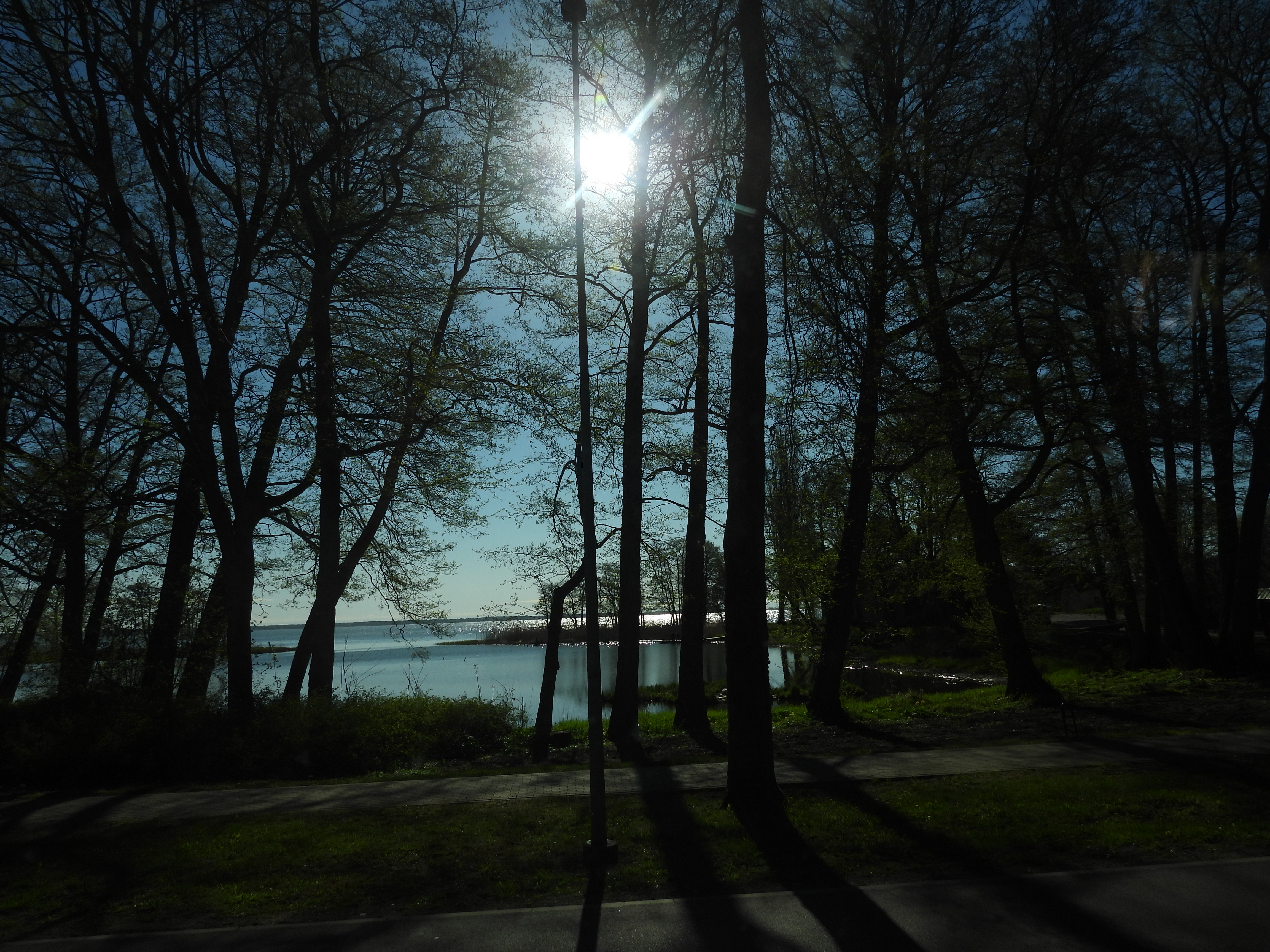 I learned about the suffering experienced at the hands of the Russians during my trip with Overseas Adventure Travel to the Baltic Capitals. I felt the pain while visiting the now named KGB museum in Vilnius, Lithuania, and I felt it long after. It’s all part of why we travel.
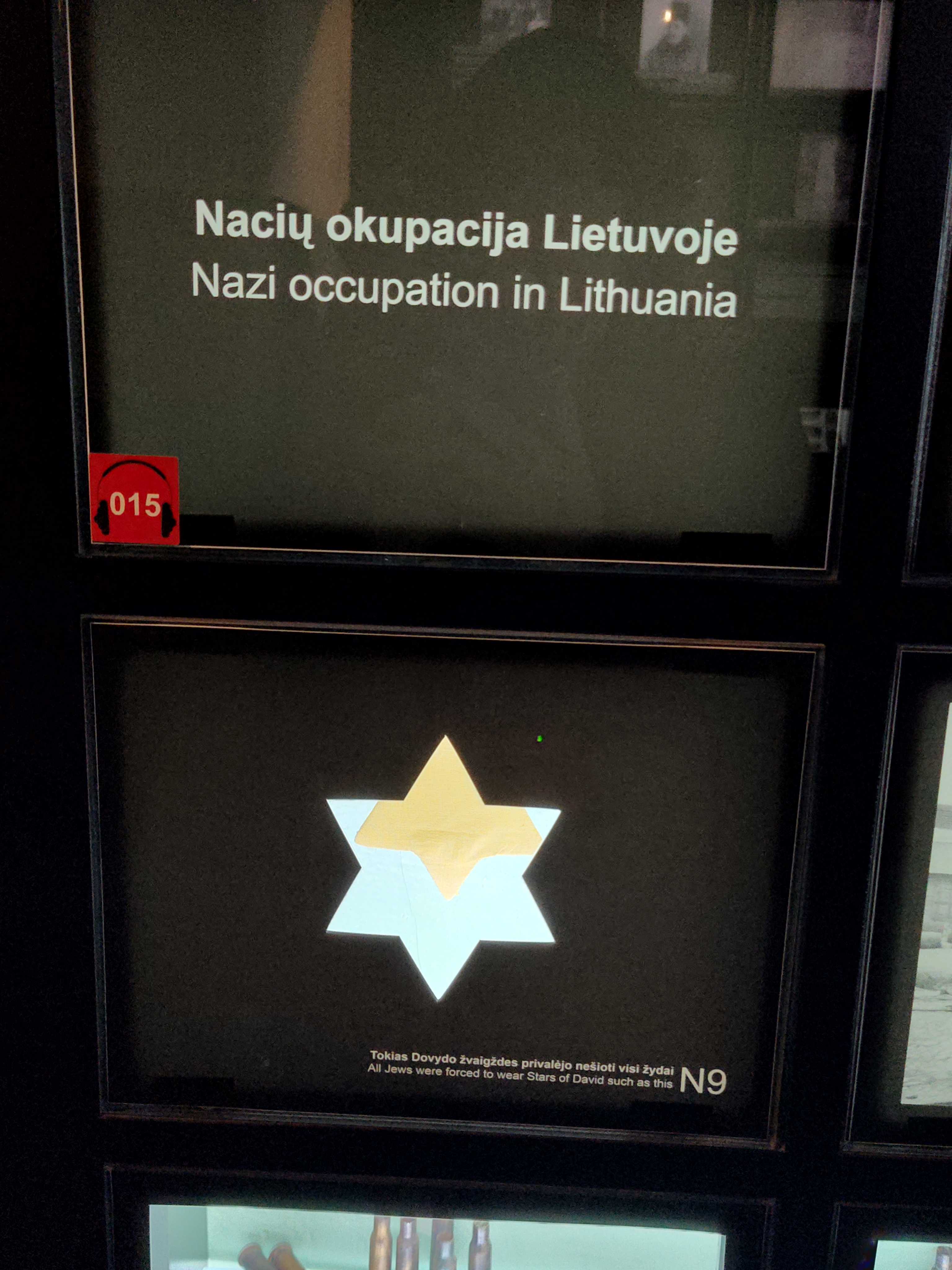 Our visit there was illuminating, if not disturbing. It’s housed in a very old building that the KGB took over in 1944 after they regained control of the country from Nazi Germany. The Nazis had taken over the country in 1941 and the building had become Gestapo headquarters.
It’s primary purpose after the USSR took over, was to torture, imprison, and house Lithuanian prisoners who were bound for deportation to Siberia. This typically included the intellectual elite in Lithuania, or others the government considered to be dissidents, which occurred in 1941 and again from 1945 to 1952 for a total of 35 deportations. However, of the 280,000 who were deported, children and farmers were also included. At least 70 per cent were women and children.
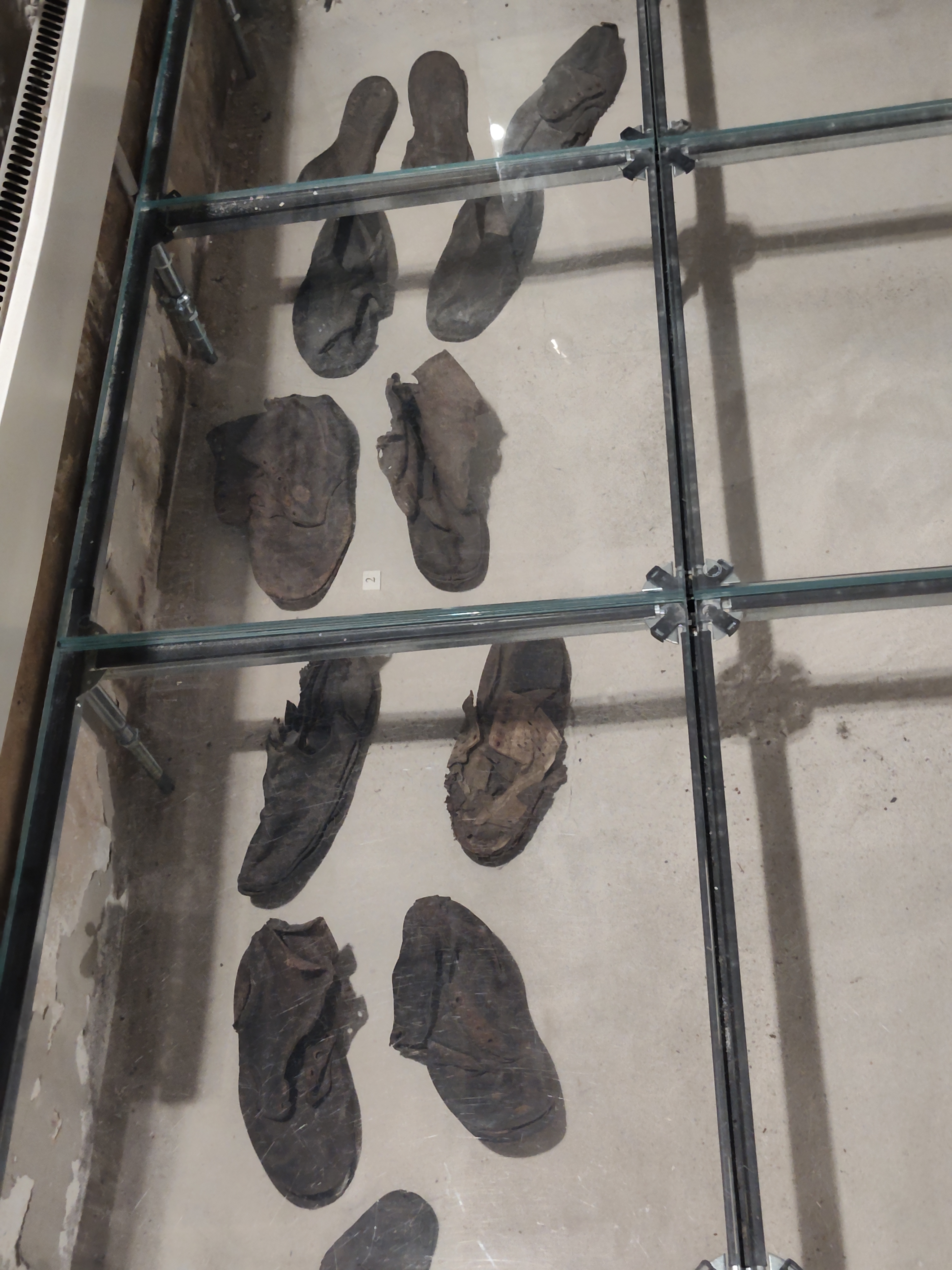 The torture rooms and execution rooms were stark, with markings remaining on the walls from when it was Gestapo headquarters. Shoes, glasses, and other belongings from those tortured and killed remain as a reminder and lie beneath flooring that is covered by glass. Even blood stains from the past were still visible.
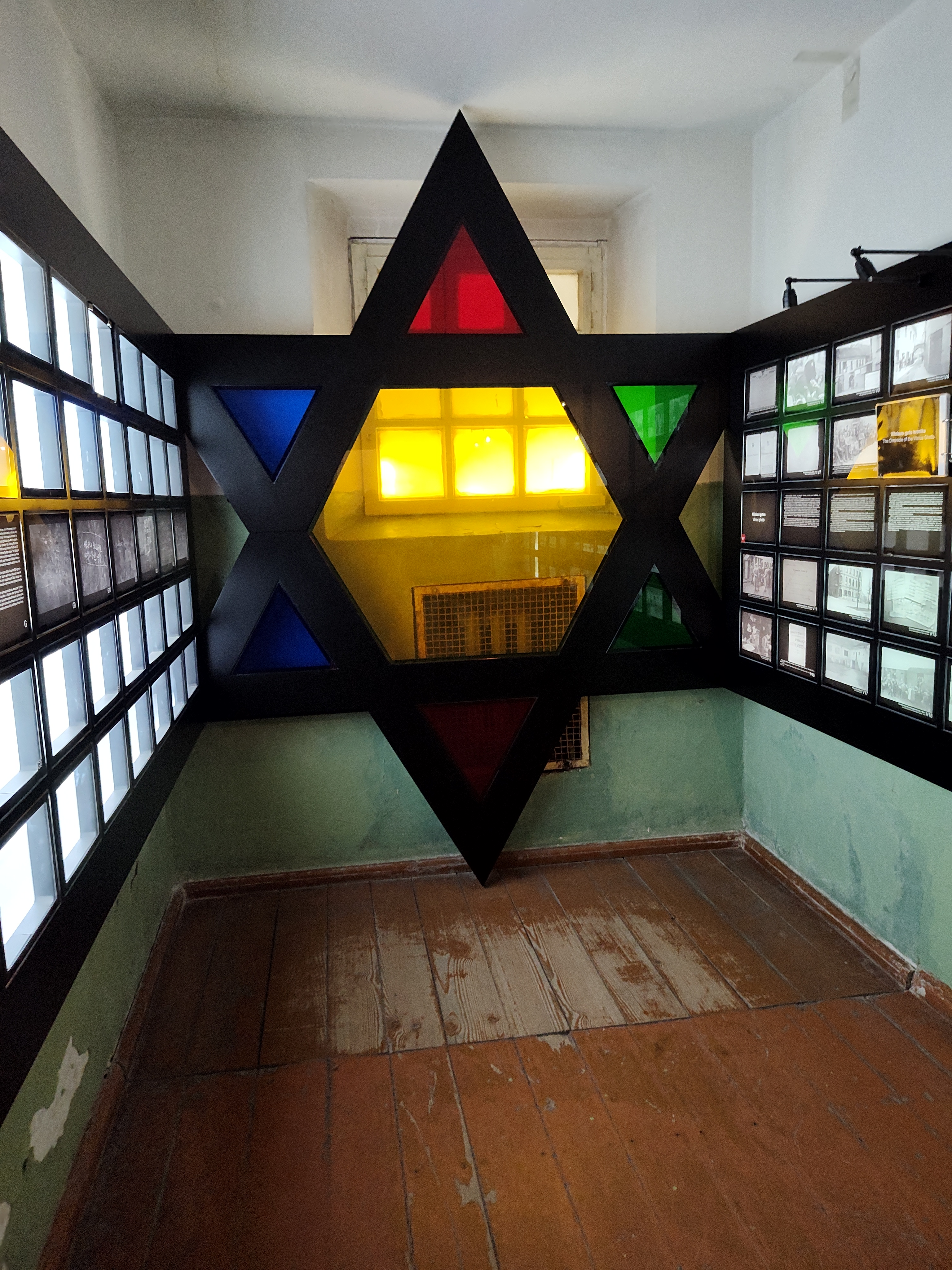 The KGB Museum itself is rife with controversy aside from the torture and killing of those who were bound for deportation. It is the informal name for the Museum of Occupations and Freedom Fights, although everything we saw was a relic of the KGB presence in the city more than any kind of freedom fighter. But the name itself became a source of controversy I was to later learn. Before 2018 it was known as the Museum of Genocide Victims. However, since more Jews died in Lithuania than Germany during the war and post war years, the name became a source of contention since only Lithuanian torture and deportations were represented at the museum. So, there is now an area within the museum which pays tribute to Jewish lives lost. But it was never their original intent. In fact, that part of the building’s history was considered living holocaust denial until some of the rooms paid lip service to the issue by installing a large Star of David in once cell and other references to Judaism in honor of the Jewish population. The rest of the museum had many cells which we saw and entered, and enabled us to have a glimpse at this part of the country’s profoundly horrific history.
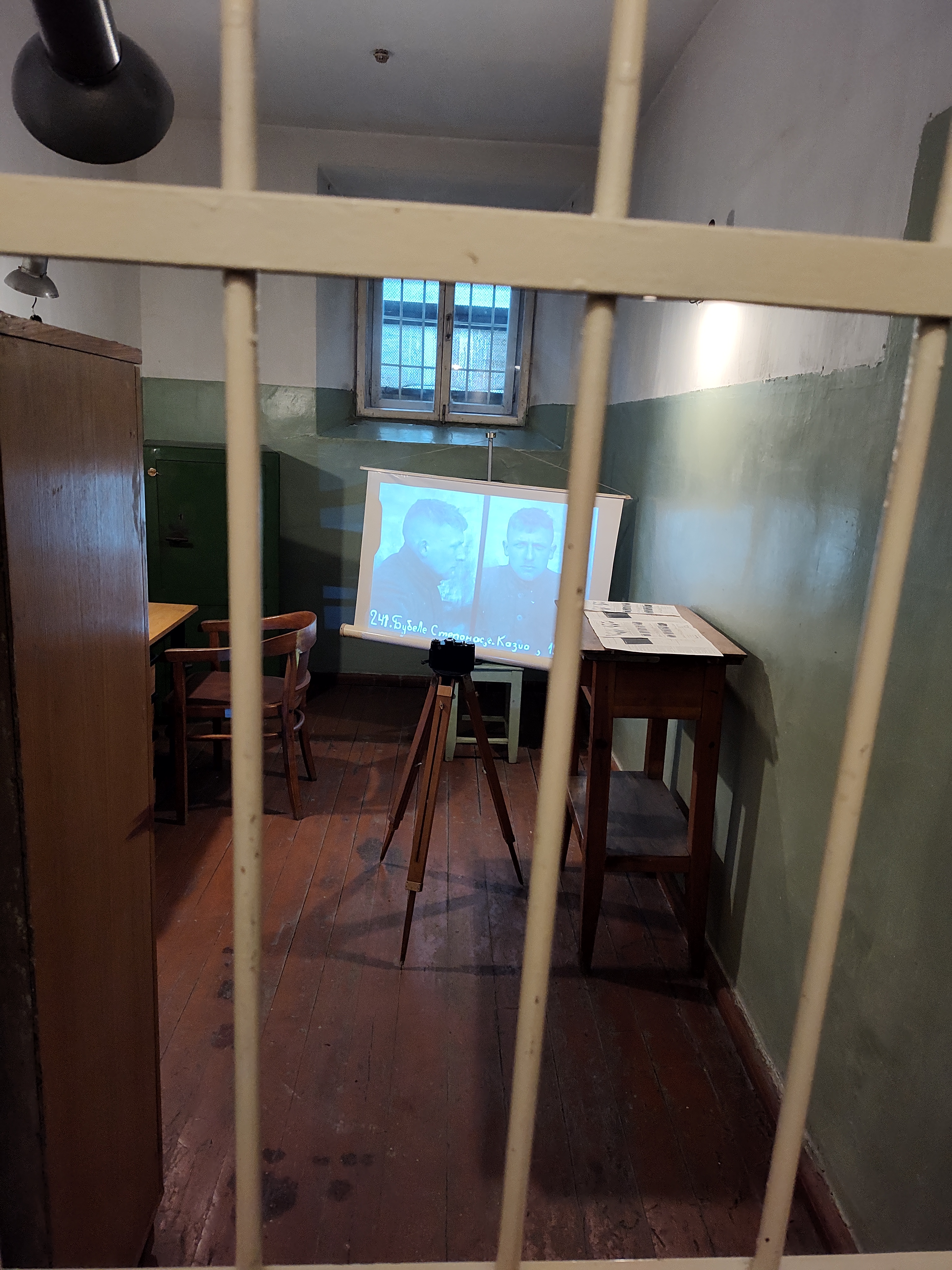 The museum as we see it today was established in 1992, the year after formal liberation from the USSR by order of the Ministry of Culture and an organization supporting political prisoners and deportees. However, the term they originally wanted to use – genocide – is almost universally accepted to mean the genocide of the Jews, not the killing and deportation of Lithuanians. Thus, the name was changed to the Museum of Occupations and Freedom Fights. In addition, the word genocide very specifically refers to those who have been systemically murdered simply because of their racial or ethnic background. The Russians didn’t commit a genocide of non – Jewish Lithuanians, but the systematic deportation and subsequent killing of selected and perceived dissidents.
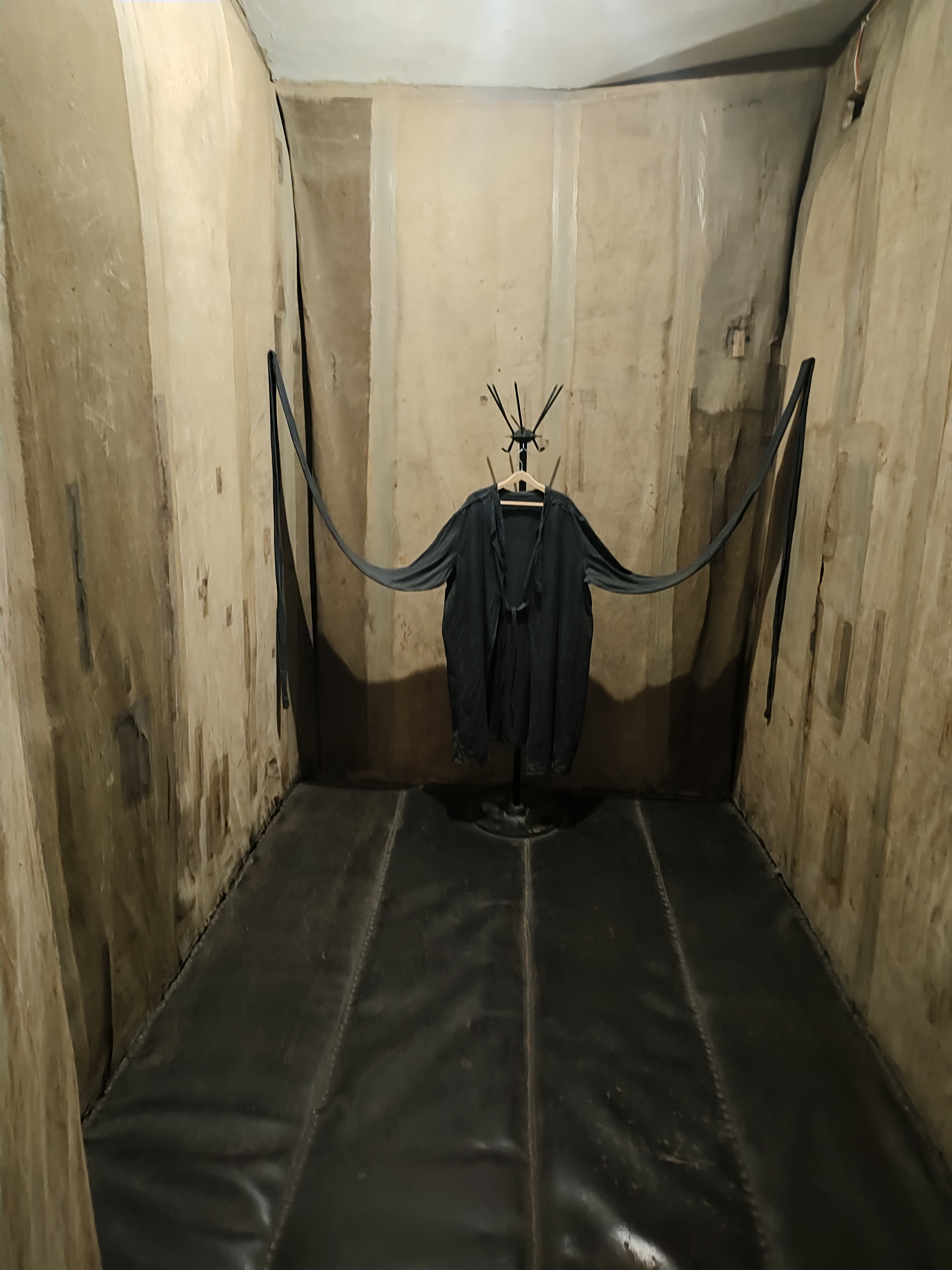 The KGB Museum is certainly a building where some of the worst suffering of humankind in the region is represented. It pays homage to a dark past without giving any kind of hope that we humans will emerge with a brighter future, especially in a region which is constantly in fear of further Russian aggression. If anything, the region has continuing reminders that this fear and suffering is never ending. We travelers are living proof for those who may want to deny history that these horrific events occurred. I personally feel a sobering sense of duty to visit these sites which not only remember these atrocities but to additionally remember and not ignore others which have been brushed away simply by remaining the building.
All photos and and original content by Jann Segal

