“The Cold War isn’t thawing; it is burning with a deadly heat. Communism isn’t sleeping; it is, as always, plotting, scheming, working, fighting.”
Richard M. Nixon
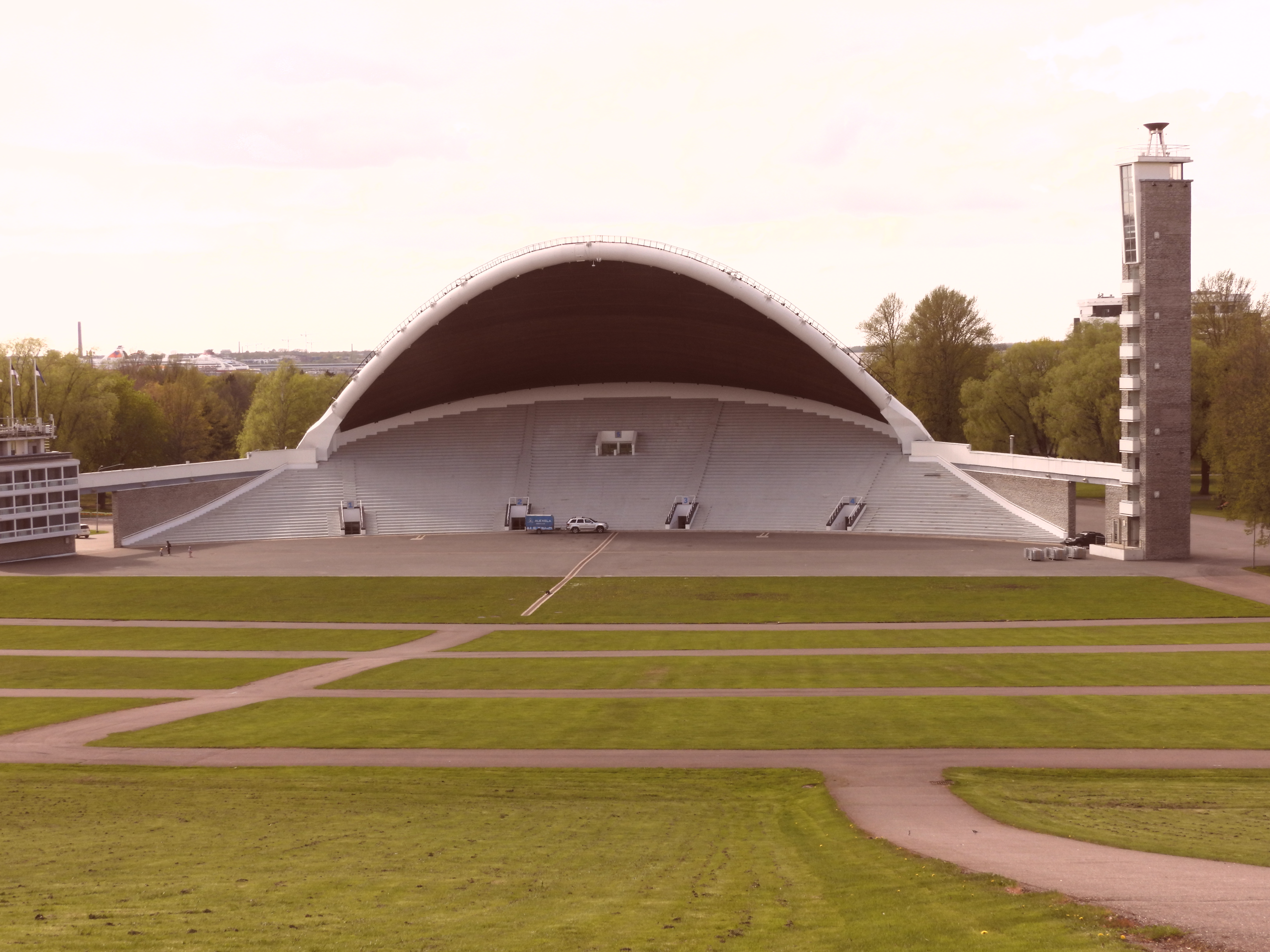 The Cold War Museum in Lithuania was among the top three major sites I visited while on the Overseas Adventure Travel trip Baltic Capitals. The other two countries as part of the Baltics, Latvia and Estonia, had abundantly represented their history as well. But we got a large dose of Lithuania’s history in the few days we were there. And as former President Nixon stated, Communism as we saw vestiges of in its historical preservation in Lithuania, was hardly sleeping.
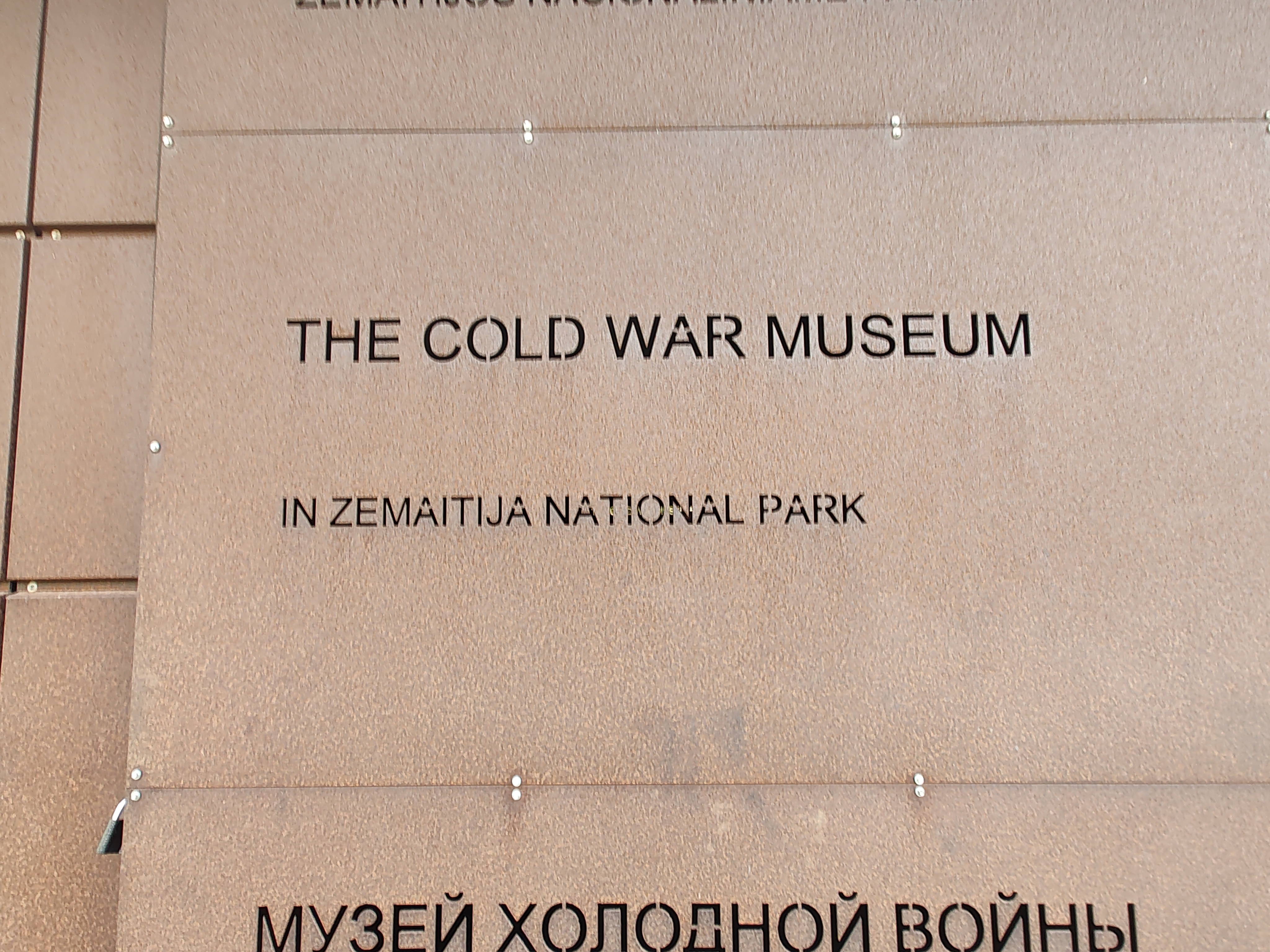 The Cold War Museum, as we see it today, opened in 2012. It was once a military facility for the Russians and had silos for four sets of war heads, none of which launched. Per Wikipedia, this was the first nuclear missile base of the Soviet Union built to house underground R-12 and SS-4 Sandal ballistic medium-range missiles. It was originally built in 1960 and was in use as a military base until US intelligence uncovered it in 1978, having been an actively secured top secret base for 12 years. It was in use the Cuban Missile Crisis. When Russia closed it down, the US closed down a military base in Turkey as part of negotiations. After Russia collapsed in 1991, the site became completely abandoned.
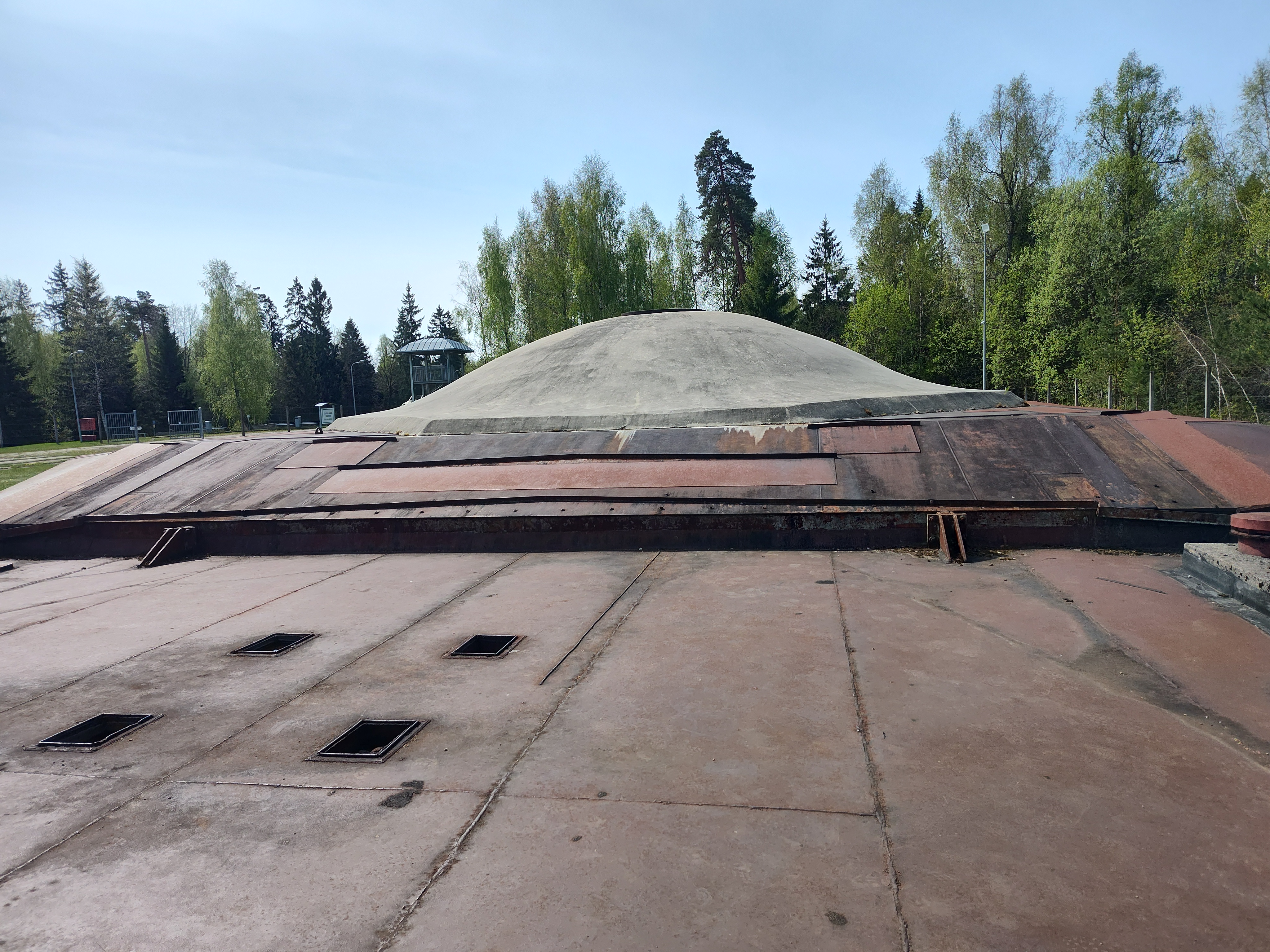 The Russians kept this military base so well hidden, it is in the middle of a dense forest, and even the ground had grass on it so from overhead nobody could tell what it really was. It’s North of Plunge in the sparsely populated Plokstine Forest. It was considered one of the Soviet Union’s top military secrets, and warheads could launch directly to NATO countries in Western Europe and Turkey, although none ever did.
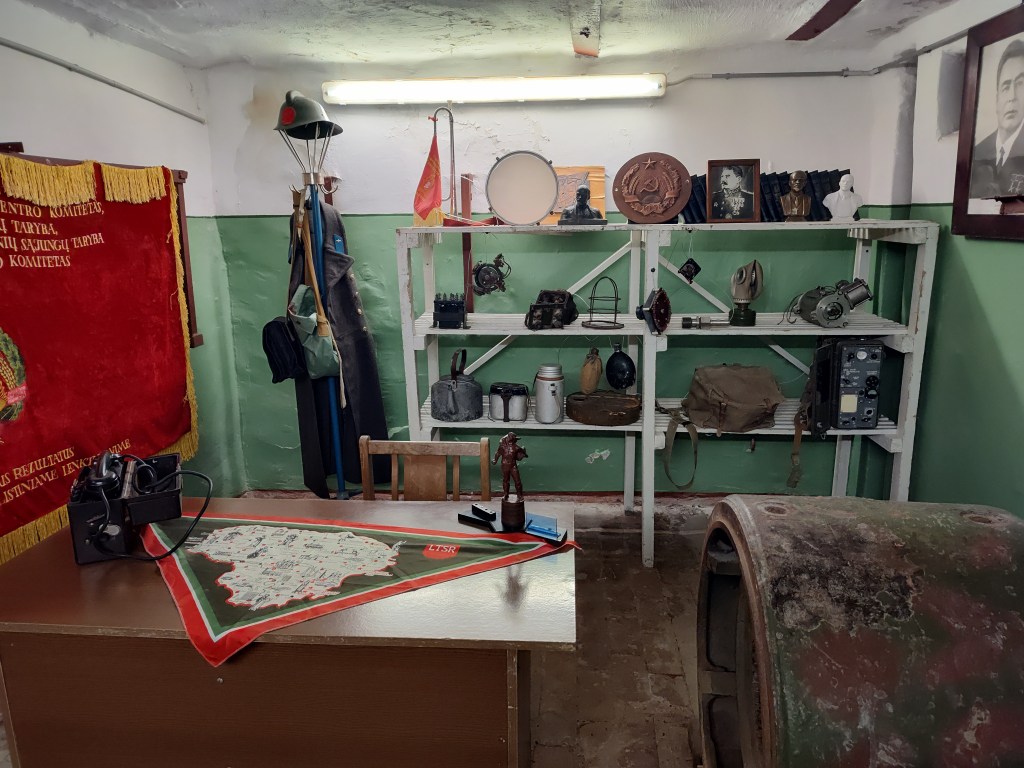
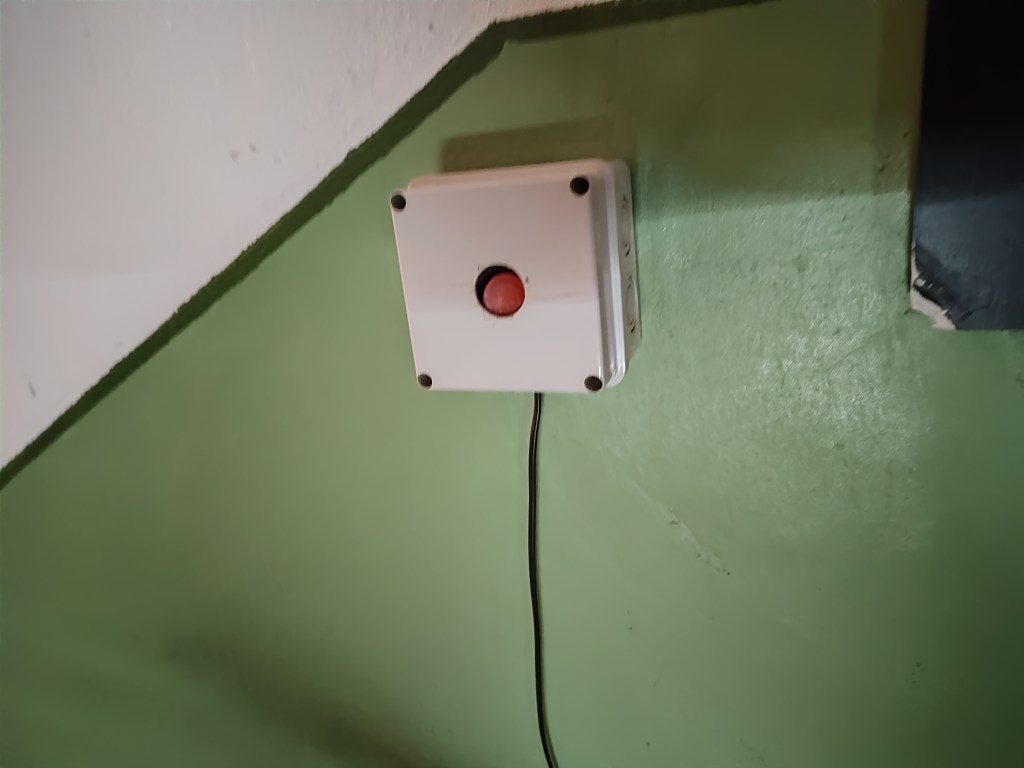
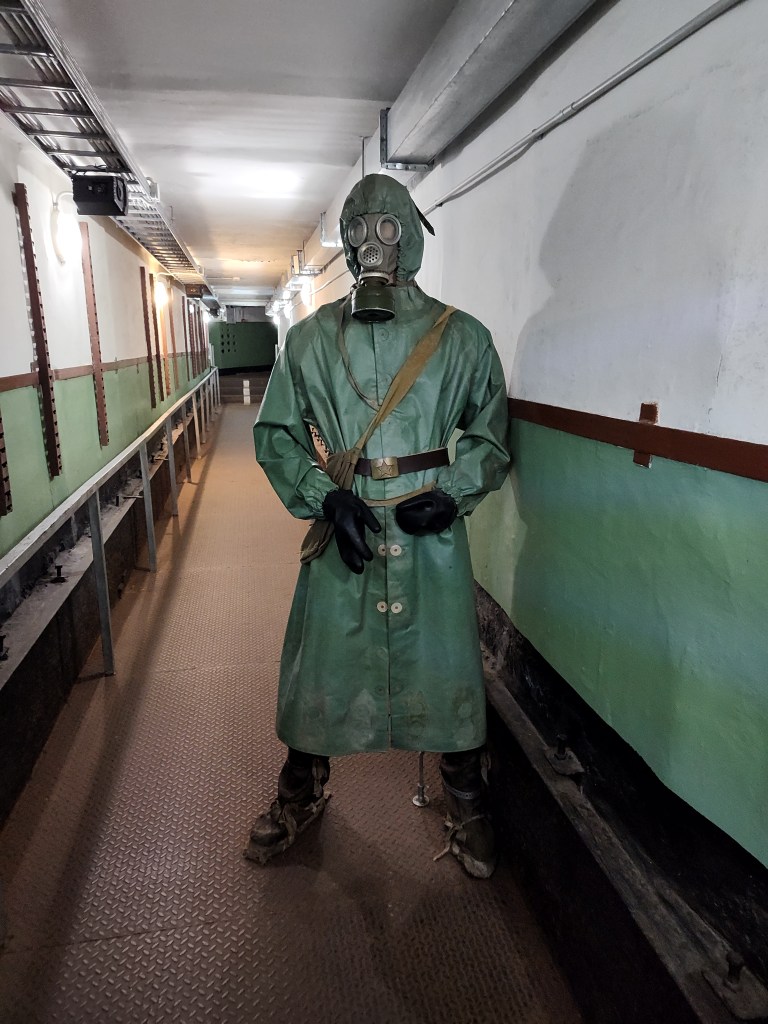
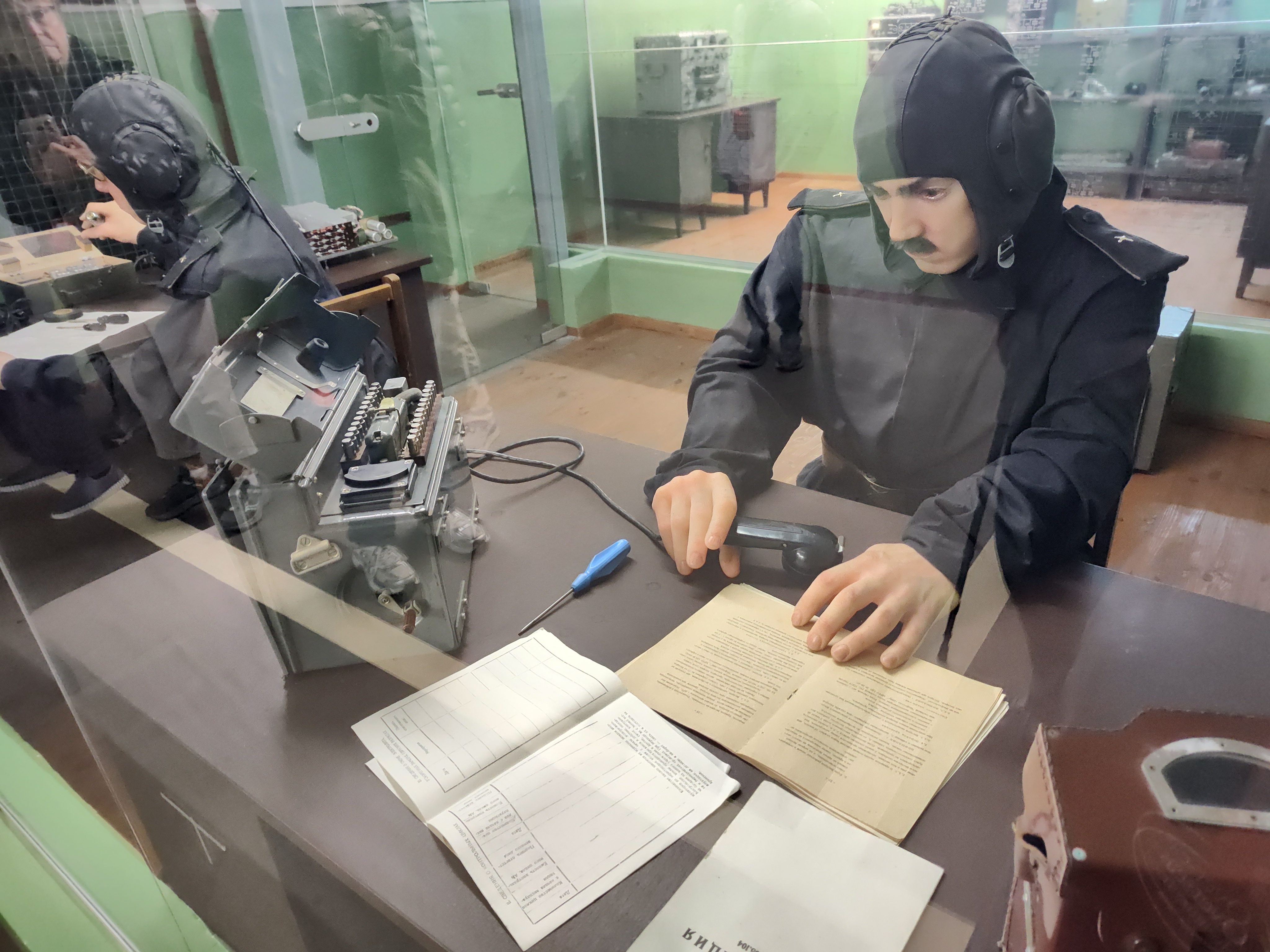 Having lived through the Cold War and the Cuban Missile Crisis, this museum was relevant for me. While the smaller warheads on display were replicas, much of what we saw and experienced there was true to life and quite real: the red button that was well known to set off nuclear missiles; the film showing how Americans had drop drills during those years in schools amid the fear of a nuclear disaster; and (of personal interest to me) the short wave radios they operated, similar to that which my father used during World War Two. There were only models of the missiles and other warheads, but having lived through it all, everything we saw rang a bell of remembrance from those times.
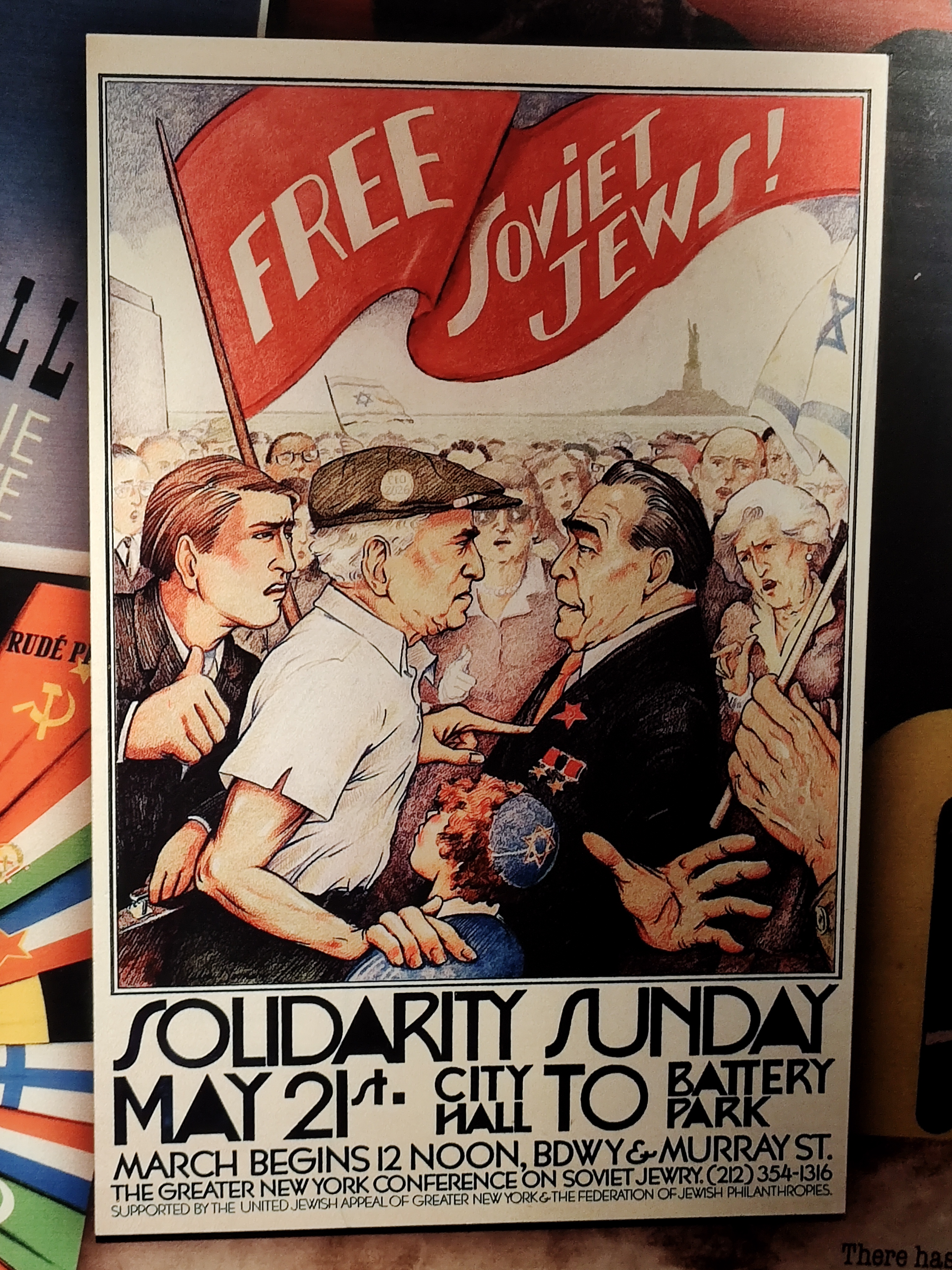 There was a room with posters of the propaganda from those times, or what the Russians perceived as propaganda, such as posters in the US to save Soviet Jewry. I recalled certain posters distinctly and was surprised to see them in a museum, let alone as propaganda. But alas, as we get older and the more we travel, objects and articles which were a normal part of our lives in one decade will appear as museum pieces for younger generations to absorb.
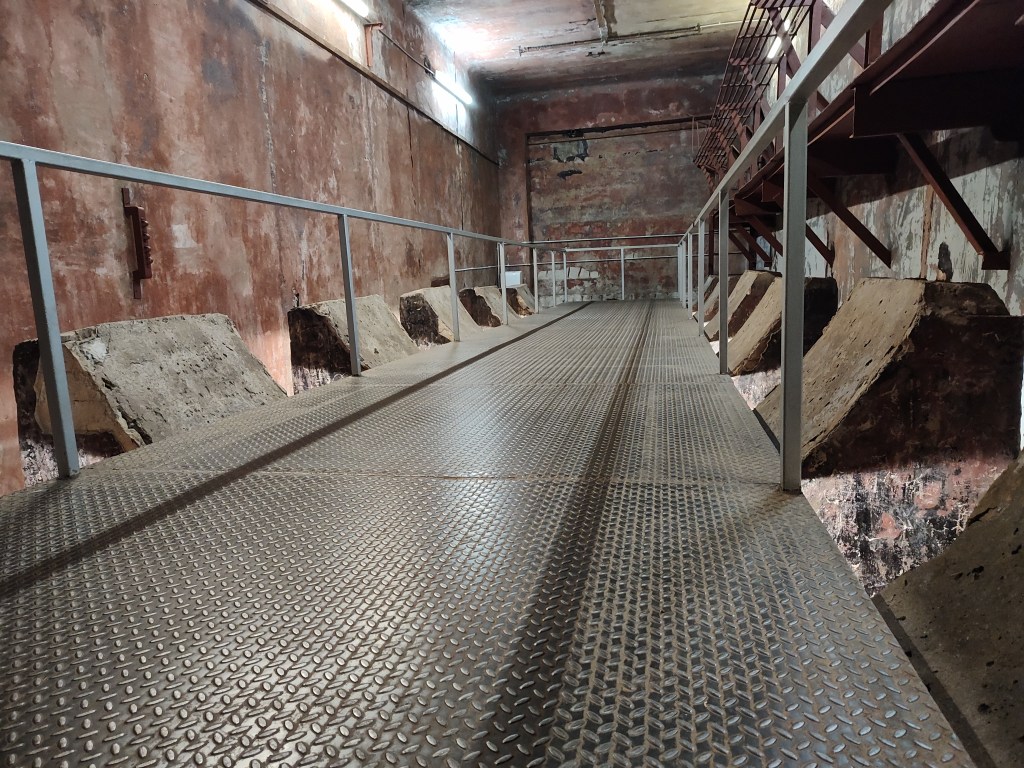
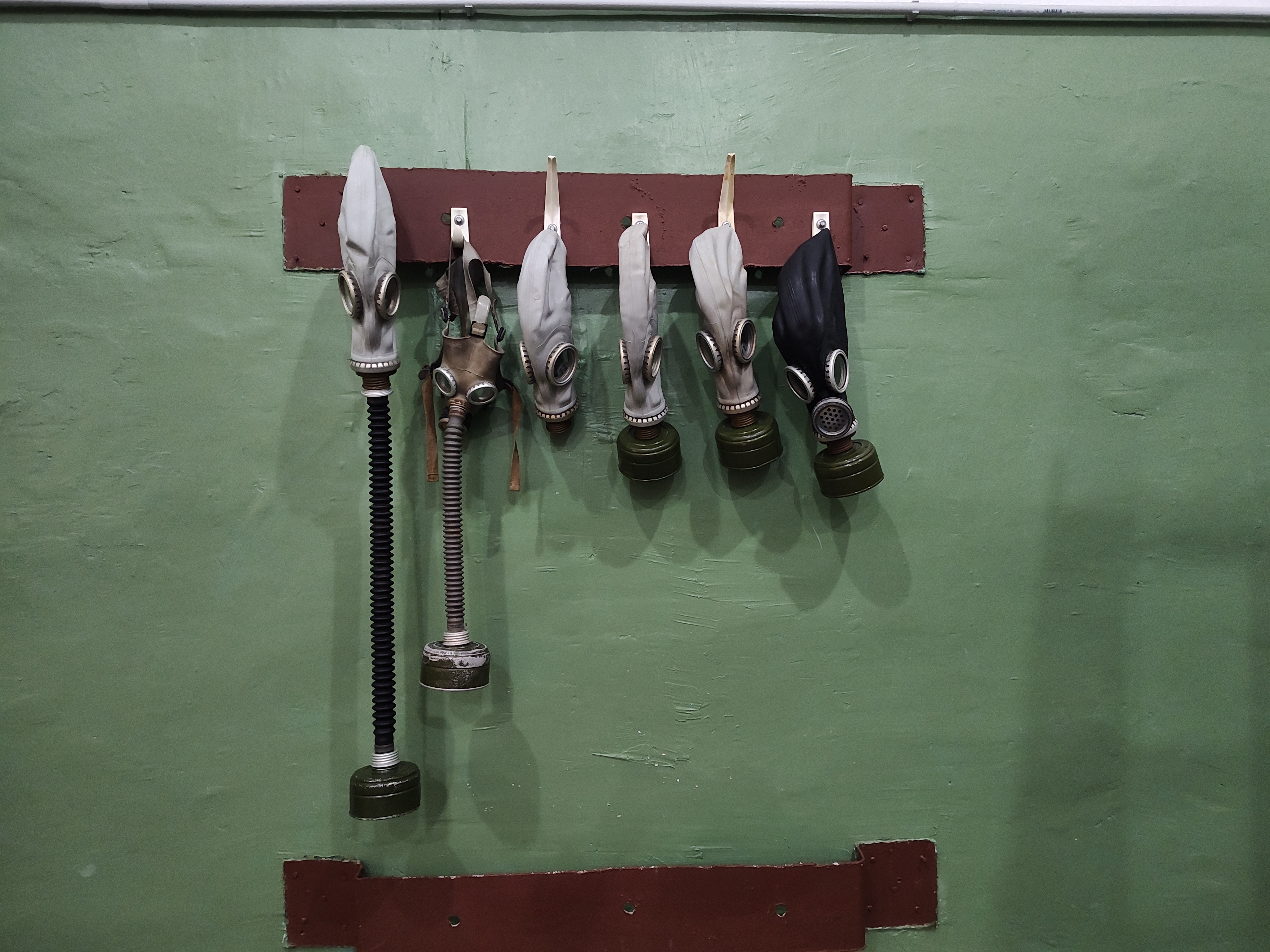 The exterior of the museum was sobering as well, since we could see all four of the large silos at once after we left the inside of one of them. But the enormity of the military base, the severity of the damage the warheads could have caused to civilization, the political and worldwide turmoil they created by its very existence, made this current day museum a blessing precisely because it is now a museum. But since Communism and Russian aggression are ever lurking, this amphitheater for nuclear destruction is most likely all electronic these days. Hopefully, all governments with enough intelligence to defend the world are watching over as well.
All photos and original content by Jann Segal

