“Art washes away from the soul the dust of everyday life.”
Pablo Picasso
 The above quote by Picasso about art can also apply to travel. For the dust that attaches itself to us due to the weary moments in life, can be washed away when art intersects with travel. For when the two manifest themselves bluntly while traveling, the experience for me at least, becomes all the richer.
And so, it was when I took the Baltic Capitals trip with Overseas Adventure Travel. My soul was doused not only with the joy of travel, but the joy of experiencing the art and architecture in every city.
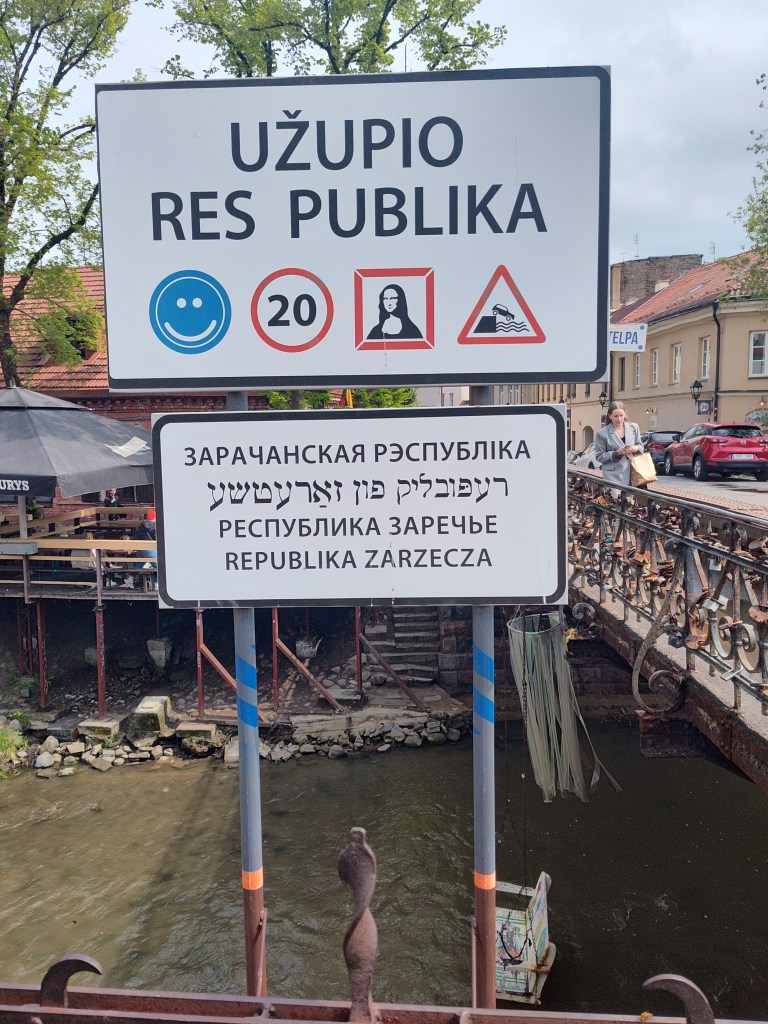
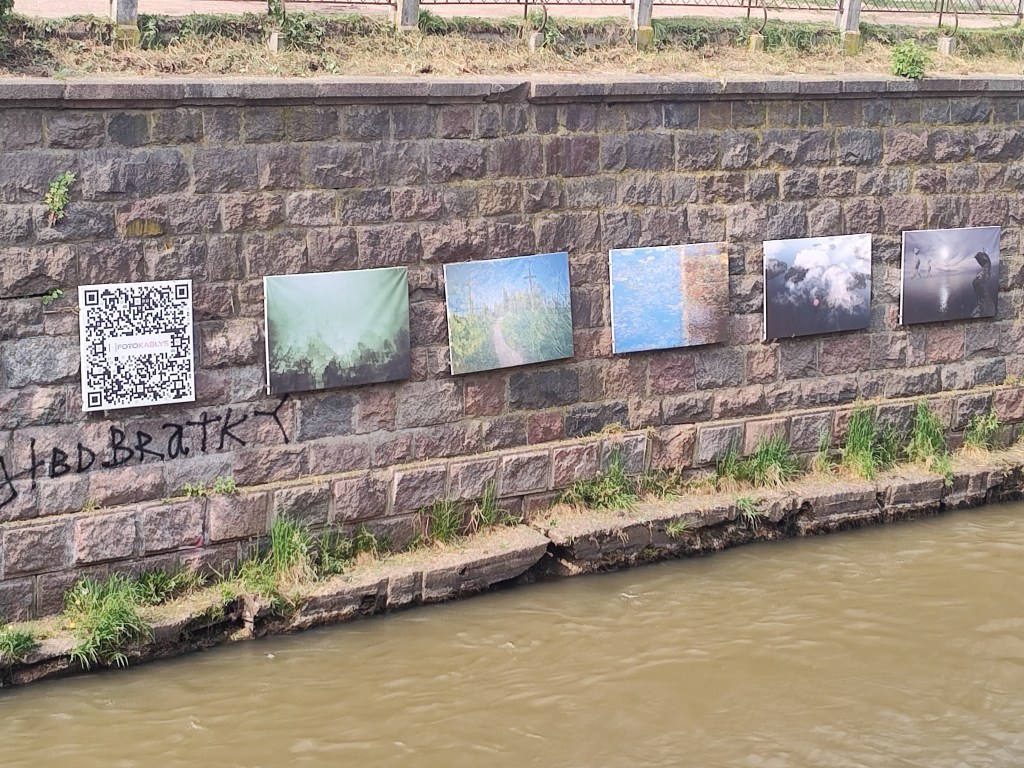
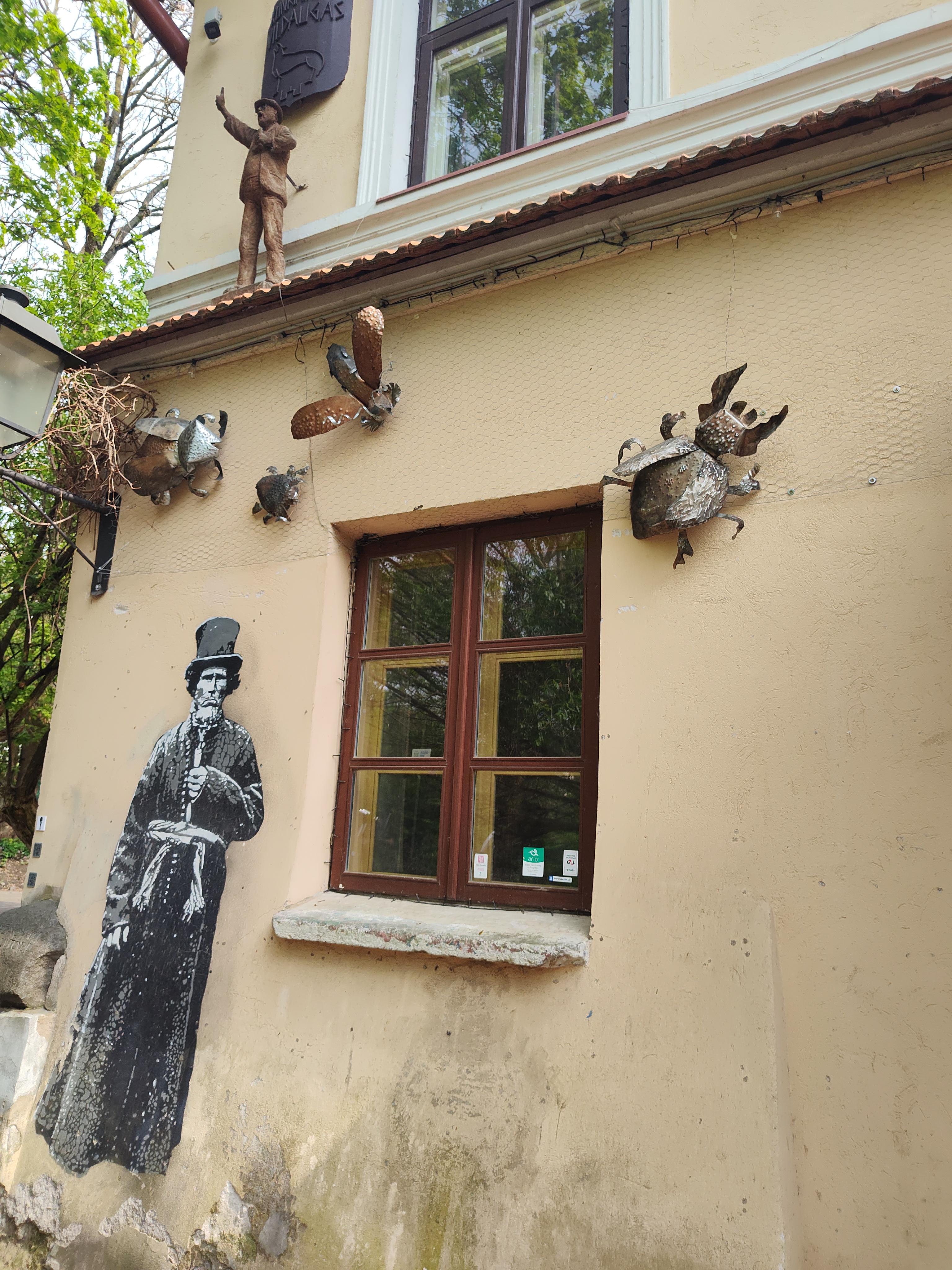 Vilnius, Lithuania had a few surprises in this regard, like the tiny breakaway republic devoted to art Uzpuis, a self-proclaimed micro nation. Established in 1997 by artists and free spirits, it’s across the river from the Vilnius Old Town, and a traveler can even get a passport stamp in a local store. The “country ” even has its own constitution, available in just about every language, and displayed across one street like pictures at an exhibition, including in Hebrew. But there was art everywhere, on the sides of buildings, in the river, a hanging from the bridge in the river , on walls in the river, and just about every place else.
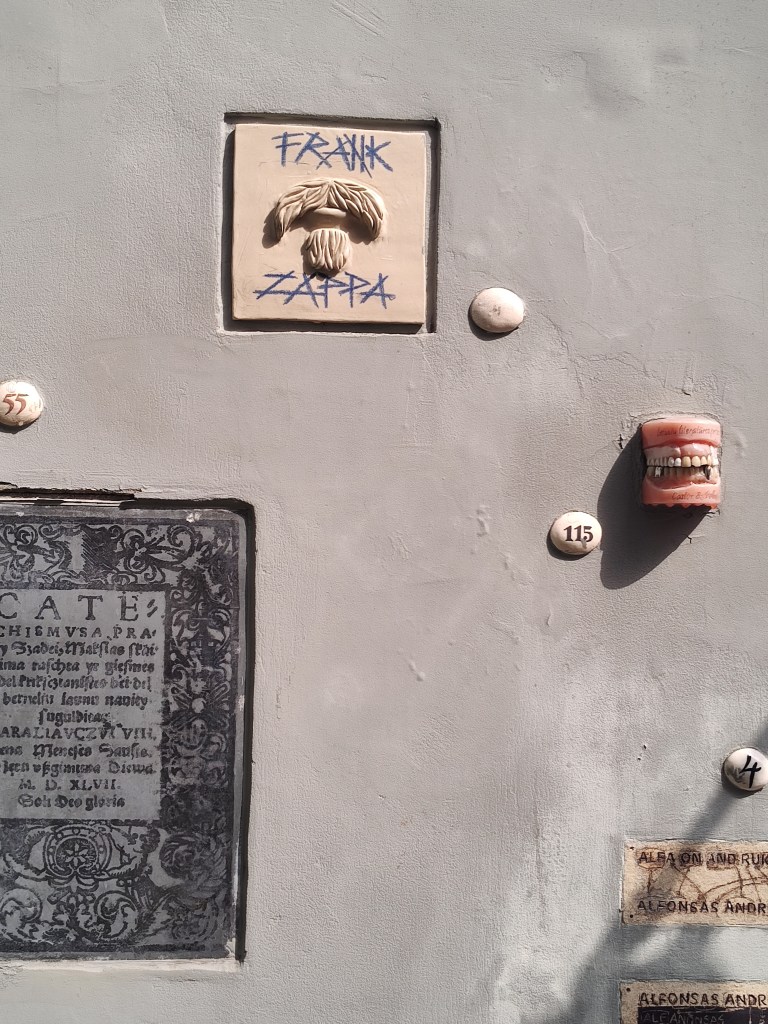
Vilnius also pays homage to its writers on The Vilnius Writers Wall on Literaty Street in Old Town. Over 200 plaques are on the walls that honor Lithuanian writers, including American musician Frank Zappa. He had no connection to Lithuanian, but is so revered in this tiny nation, there is even a bust of him near the Belgium embassy But the decorative and artistic plaques that adorn these walls were added in 2009 when Vilnius became the European Capital of Culture that year.
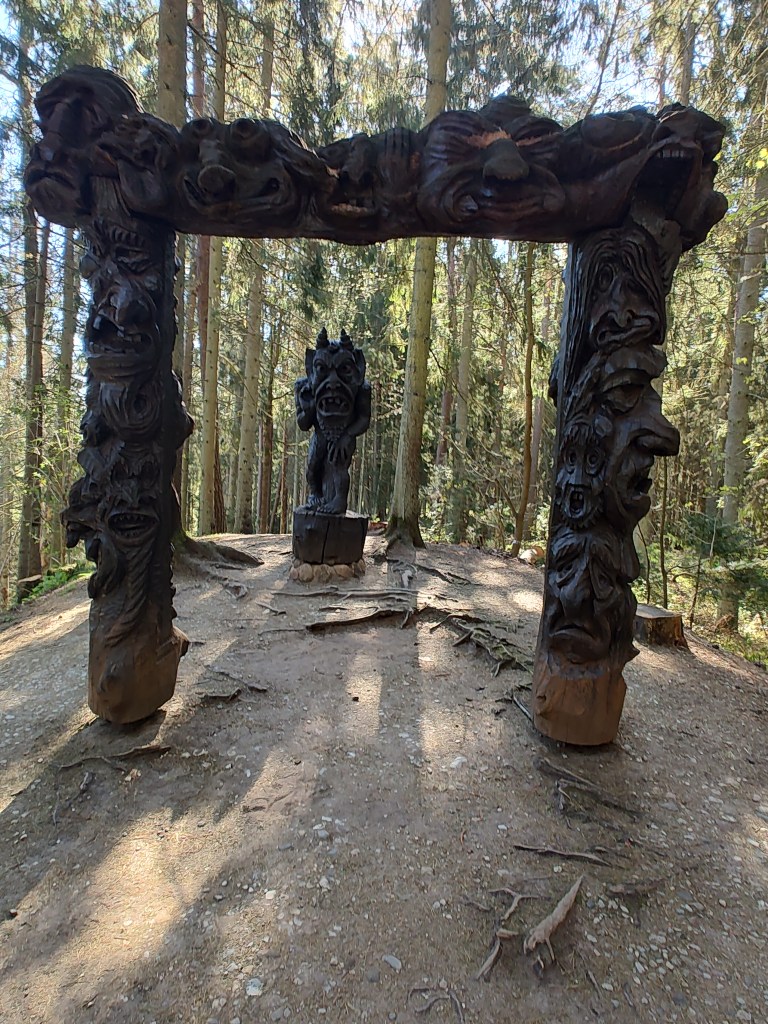
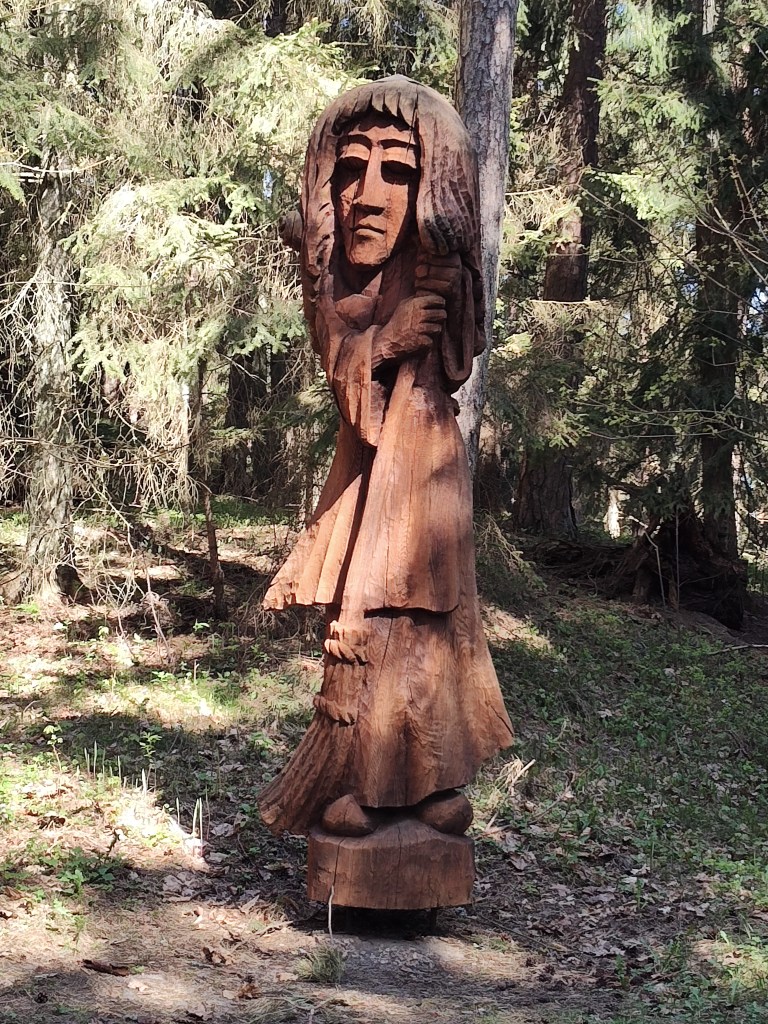
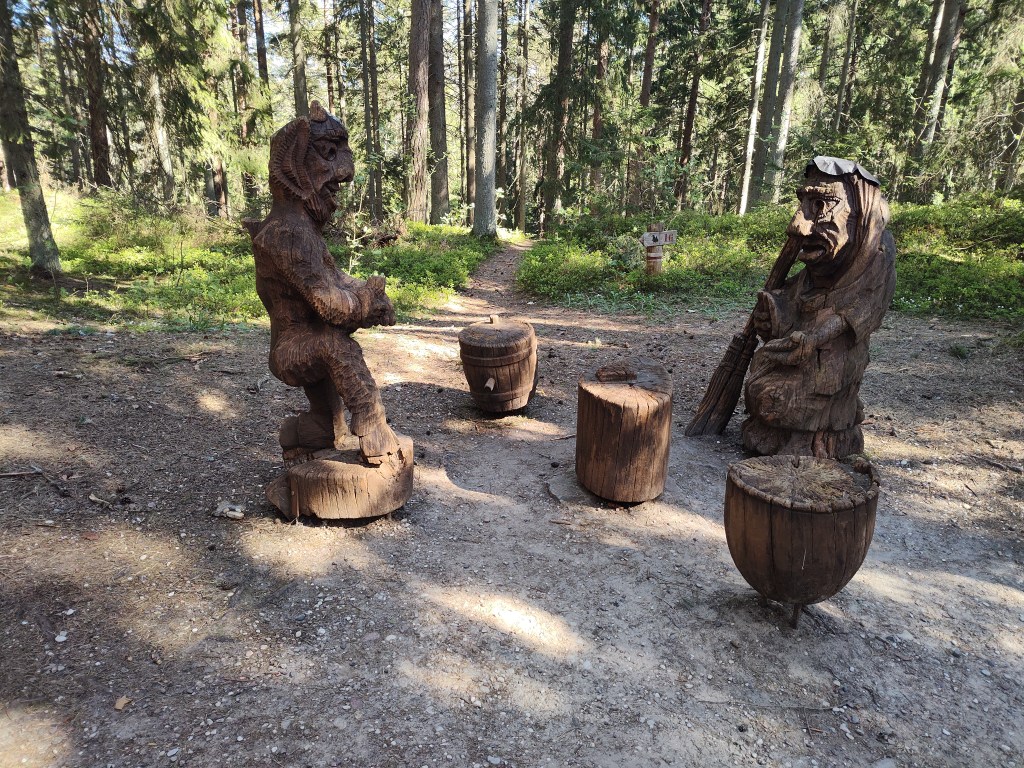
From Vilnius we went to Klaipeda, Lithuania, from which we went to the Hill of Witches. This was really a wonderful walk in the forest to look at wooden sculptures erected by artists in 1979 for a two year period. There are about 80 statues along the path that’s a few miles from the Curonian Lagoon. It was fun to observe the statuary women as they were perceived in their culture portrayed as worriers of their men, or sweeping the floors, or even a good witch and a bad one . Each work of art was life-sized, unique, and whimsical, the forest itself providing us with an easy hike and a most unusual and fanciful stop at each of the wooden sculpted statues. Interpreting them in their various forms was a delight, in a country that’s had a harsh past and currently an uncertain future.
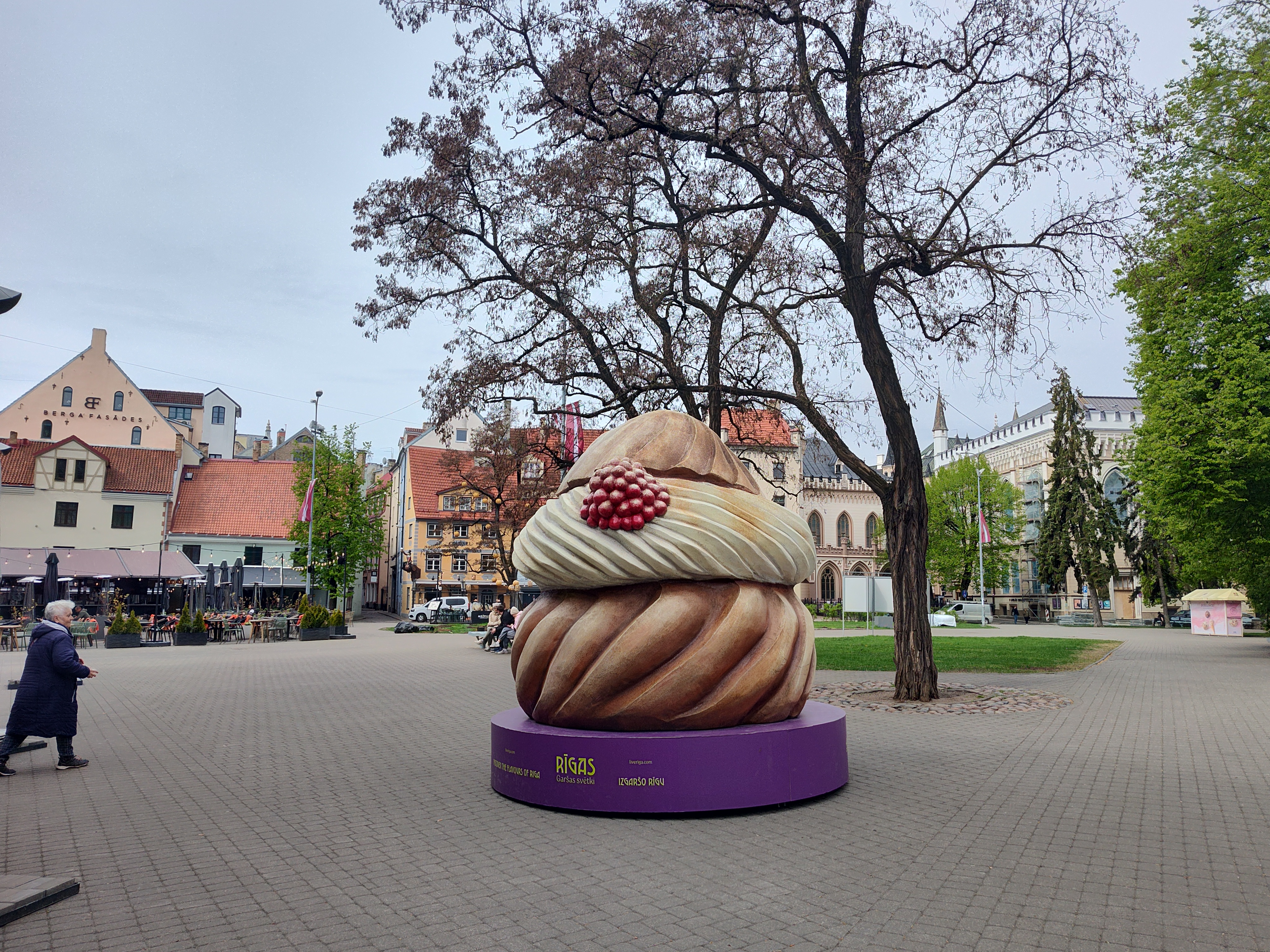 Both Riga and Tallin are st andouts for their architecture, with Riga, Latvia having the world’s largest concentration of Art Nouveau architecture, with some 800 buildings showcasing this impressive style, or about one third of the city’s buildings, which were built between 19014 and 1914. Some had strikingly blue exteriors, some I recall had cats and other sculpted adornments which are unique on the exterior of any building. Since Latvia is famous for its creamed cakes and desserts, it didn’t come as a surprise that at the center of the Old Town, amidst all the restaurants, was a huge sculpture of a creamed desert. This public art installation celebrated the country’s 825th anniversary with the country’s famous curd desert. It is nicknamed, “Stalin’s birthday cake, “ because of its tiered wedding cake style reminiscent of Soviet Classist style.
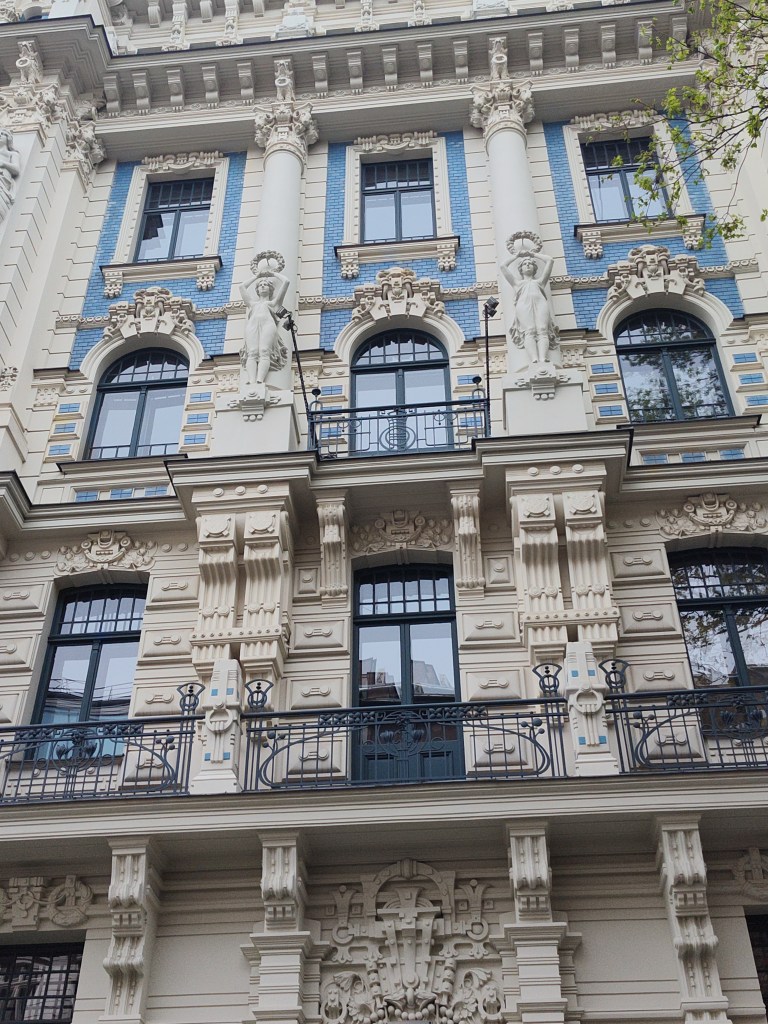
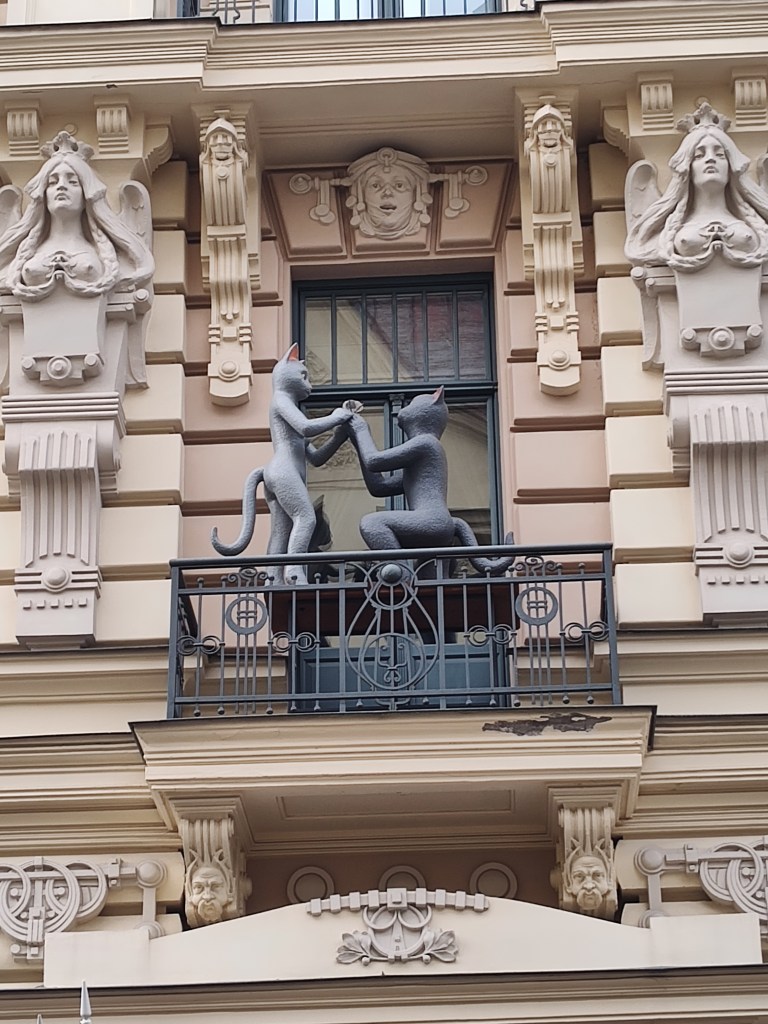
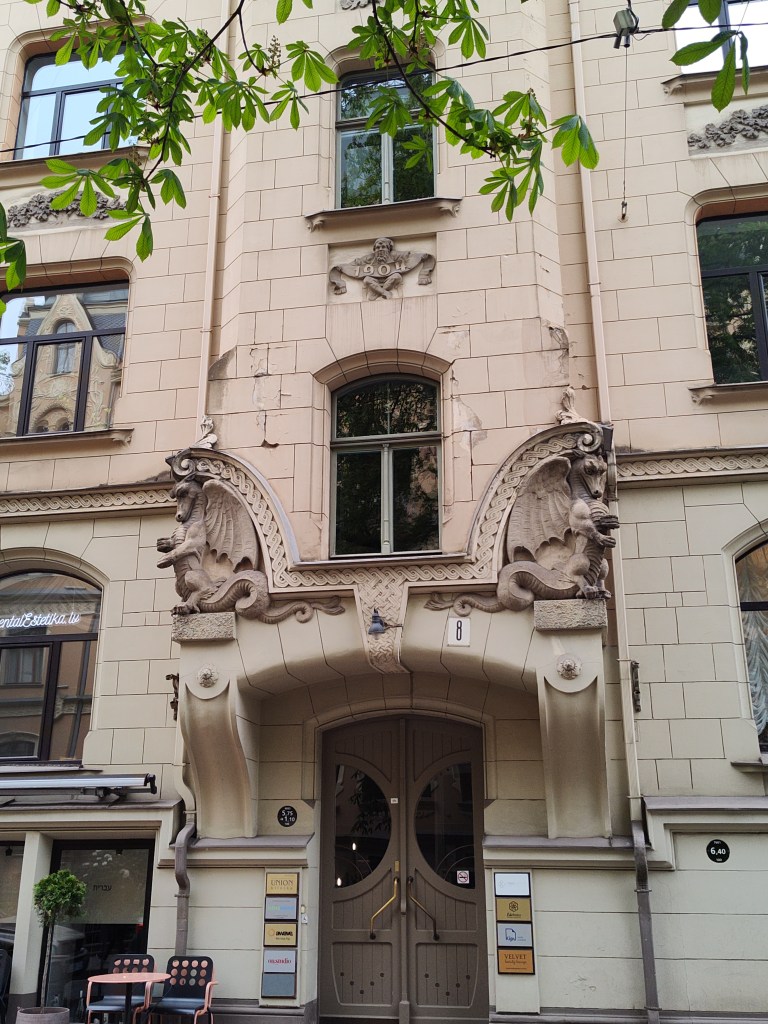
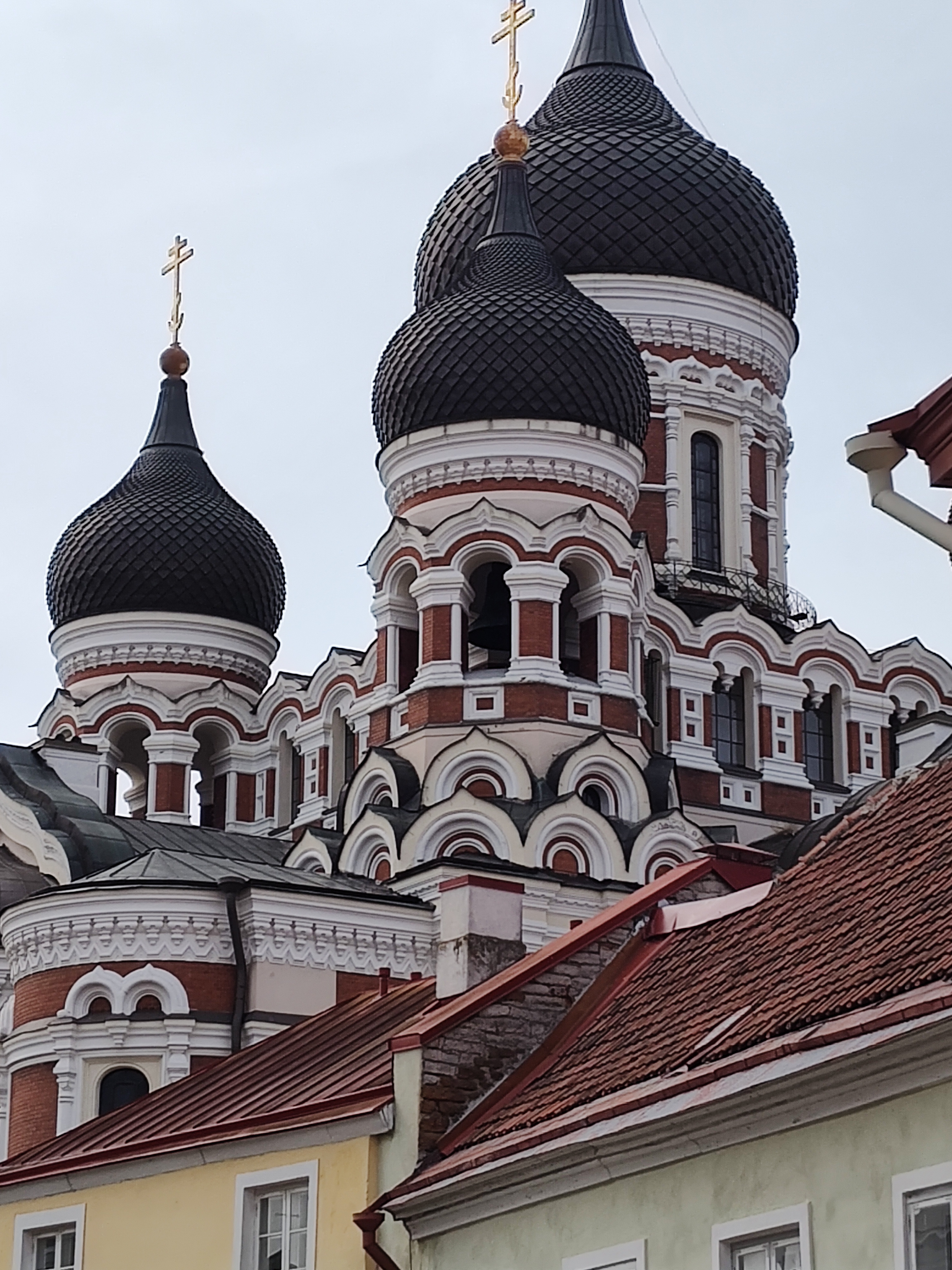 Tallin, Estonia was a standout as the final Baltic Capital, with a blending of Art Nouveau, Medieval Gothic, and modern architecture. The Russian Orthodox Church was a bold statement in the middle of the stunning Medieval architecture. It’s technically Russian Revival in style built in the 19th century when Russia dominated the country. But to the tourists wandering around the Old Town with the more modern Town Hall as a North Star, the Medieval Gothic architecture is the most prominent.
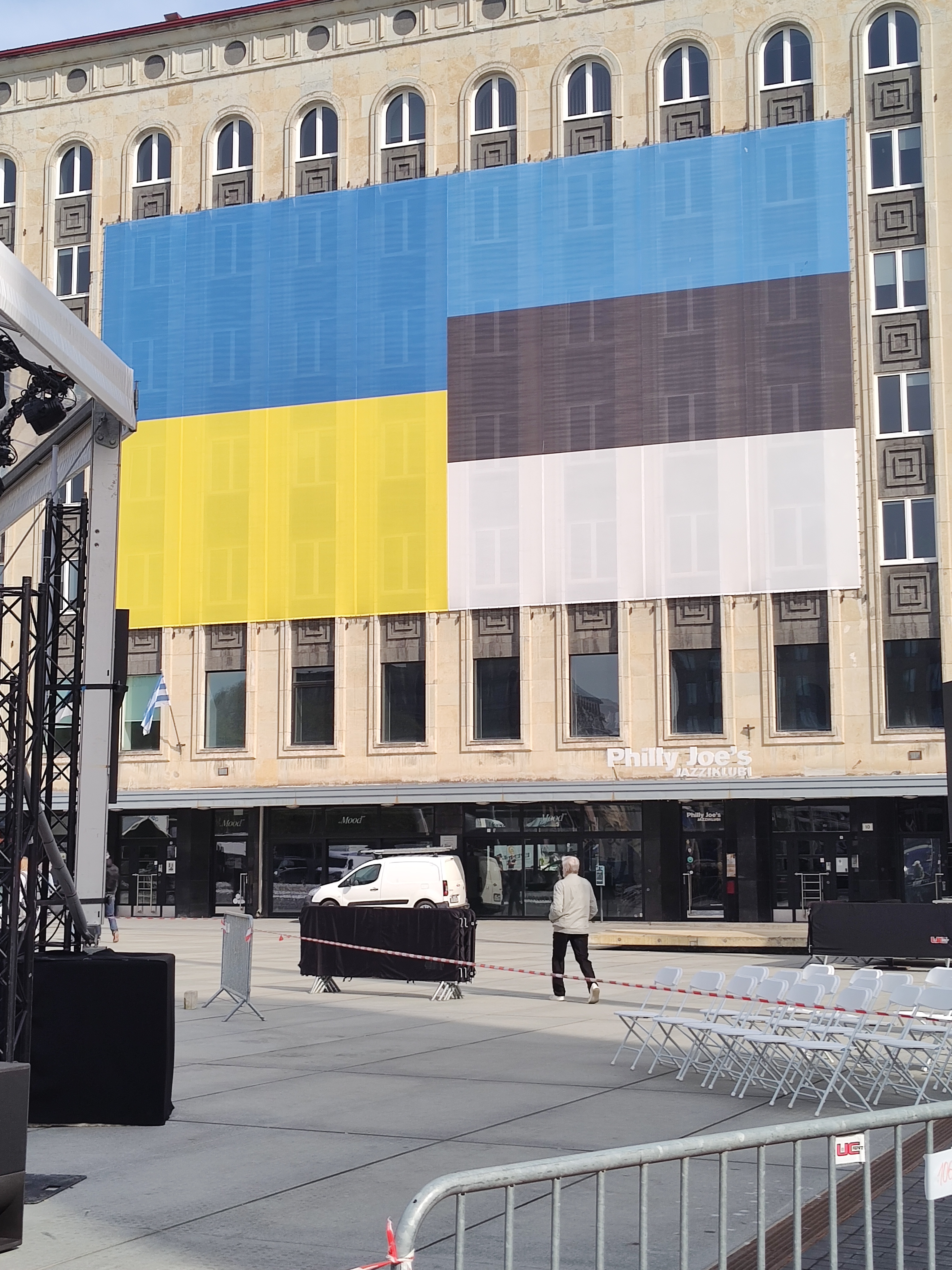 Winston Churchell once said that we shape our buildings, and together they shape us. Nothing could be truer, especially when considering the influence of art. Everything about this trip shaped my understanding of the region, its people, its history, and their current fears. We as travelers would be wise to stay attuned to the art and architecture of every country we visit. In many ways, the more we learn about the art of a country when we travel, the more we learn about ourselves. Our inner voyage can become one of self-reflection and self-discovery. And the dust from our everyday lives will surely wash away.
All photos and original content by Jann Segal

