“Art is the Flower. Life is the Green Leaf.” Gabriella Bennett, The Art of Coorie: How to Live Happy the Scottish Way
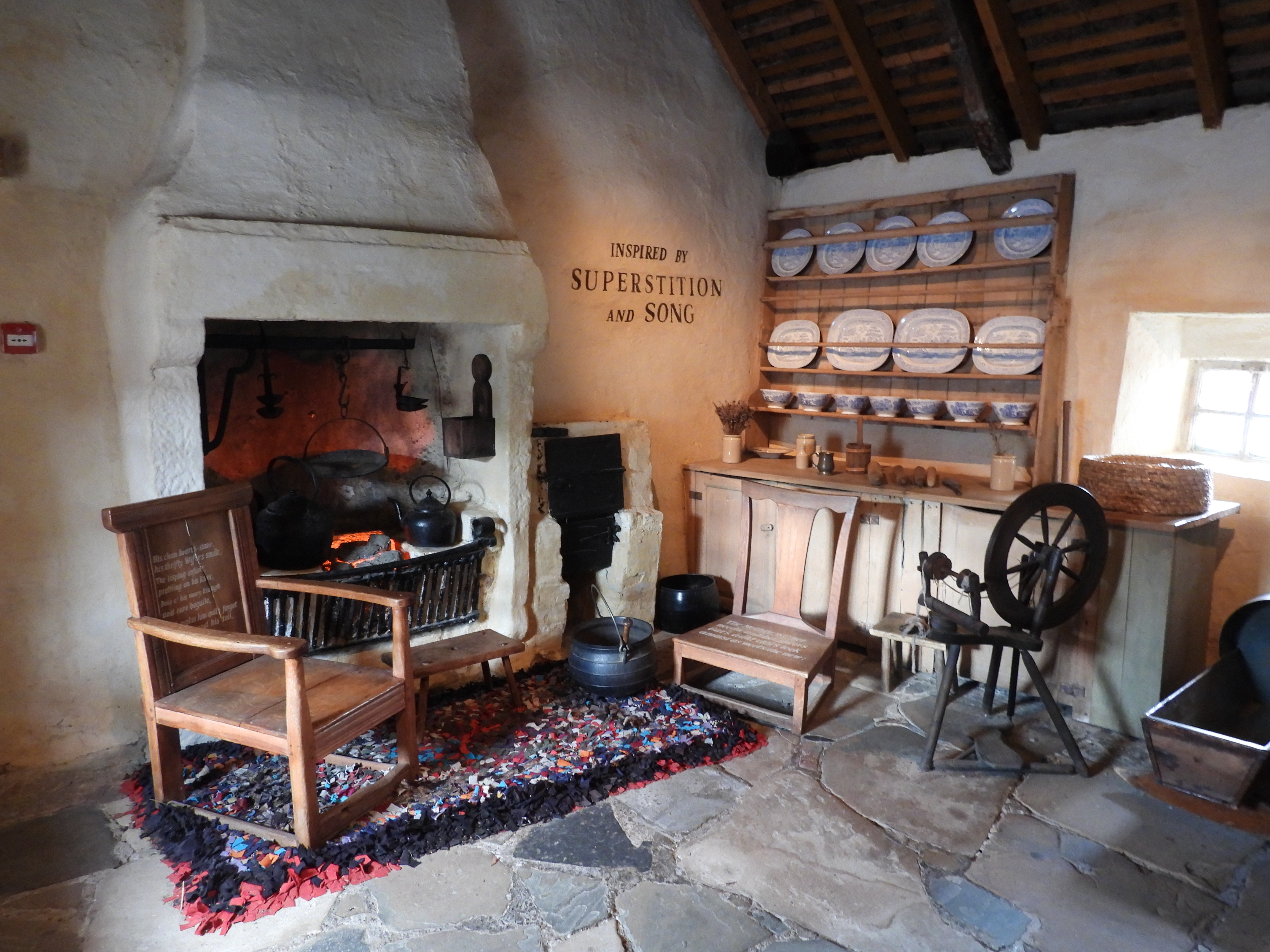 When I took the Overseas Adventure Travel trip Scotland Revealed, my literary heart was delighted to learn the number of writers and philosophers who came from Scotland. As we visited the home of Robert Burns (1759- 1796, known as Robbie to the entire country), I had forgotten that he wrote the New Years favorite, Auld Lang Syne.
Aside from Burns, so many famous writers hail from Scotland, there is even a writer’s museum in Edinburgh, much as there is in Dublin for Irish writers. Other famous writers that we most are familiar with are: Sir Walter Scott (1771-1832), most famous for Ivanho ; Robert Louis Stevenson (1850-1894), most famous for Treasure Island ;Arthur Cannon Doyle (1859-1930), most famous for The Adventures of Sherlock Holmes : Murial Spark 1(918-2006 ), most famous for The Prime of Miss Jean Brody; Philosopher and British Empiricist David Hume (1711-1776) also hailed from Scotland and is known for his philosophical writing as well. This list however is extensive, and as I learned, Scottish influence includes more than just writers.
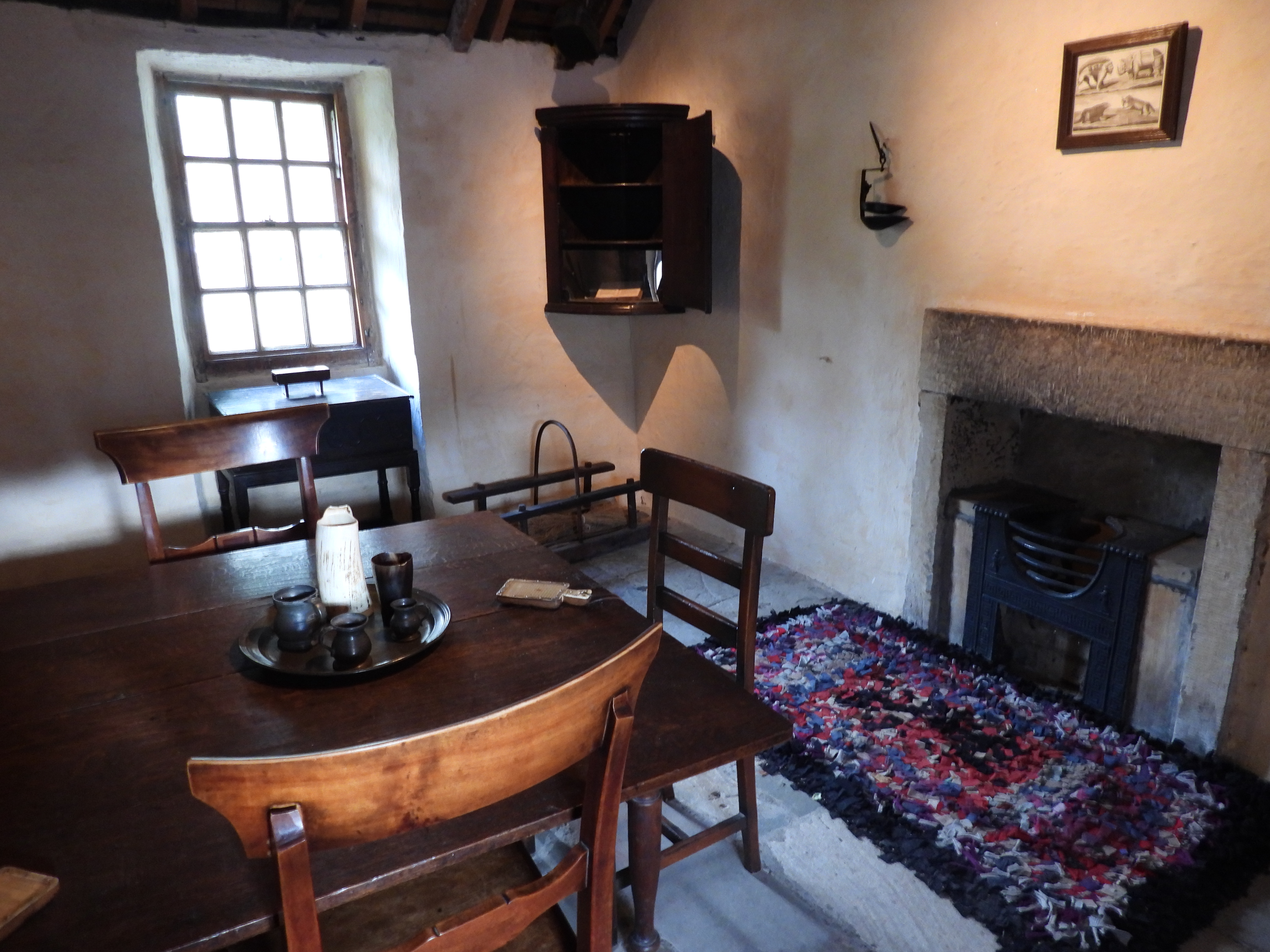 We visited Robert Burns’ birthplace, which was a highlight for me. It’s a very humble home, with a stable attached to the living quarters. We took a wander around the grounds, but the whole time was a wander as our local guide got off topic, which enabled me to wander myself. Especially striking was the use of his poetry on the walls of his humble home, and even in the visitor center and museum where we saw original manuscripts.
Robert Burns did something another Robert patterned himself after, as alluded to in the visitor center and museum. Burns wrote poetry exclusively, using old folk tunes as their melody. America’s own Nobel laureate Bob Dylan did the exact same thing, and a Time magazine cover with Bob Dylan on it was featured in the Burns Center. In fact, Bob Dylan himself stated that Robert Burns was one of his most major influences. But I enjoyed walking down Poets Walk, seeing the area, and that which influenced Burns at an early age. I had forgotten he wrote Auld Lang Syne. And being Scottish, that is likely why we do not understand all the words. They are in the Scots language, different from Gaelic and Celtic.
Robert Burns is the national poet of Scotland, and the whole country remembers and celebrates him each January 25th on his birthday by drinking whiskey and reading his poetry.
While his song is one of the most famous around the world for New Years , he wrote the text to the poem in 1788, but it was based on an even earlier Scottish folk song. In 1799 It was set to a traditional folk song and became the New Years song as we know it. And much in the same way we know Bob Dylan’s songs, they have sometimes been sung using different melodies and even different words. The influence of Burns’ poetry and style to Dylan was striking, and likely unknown to many as being an old folk tradition.
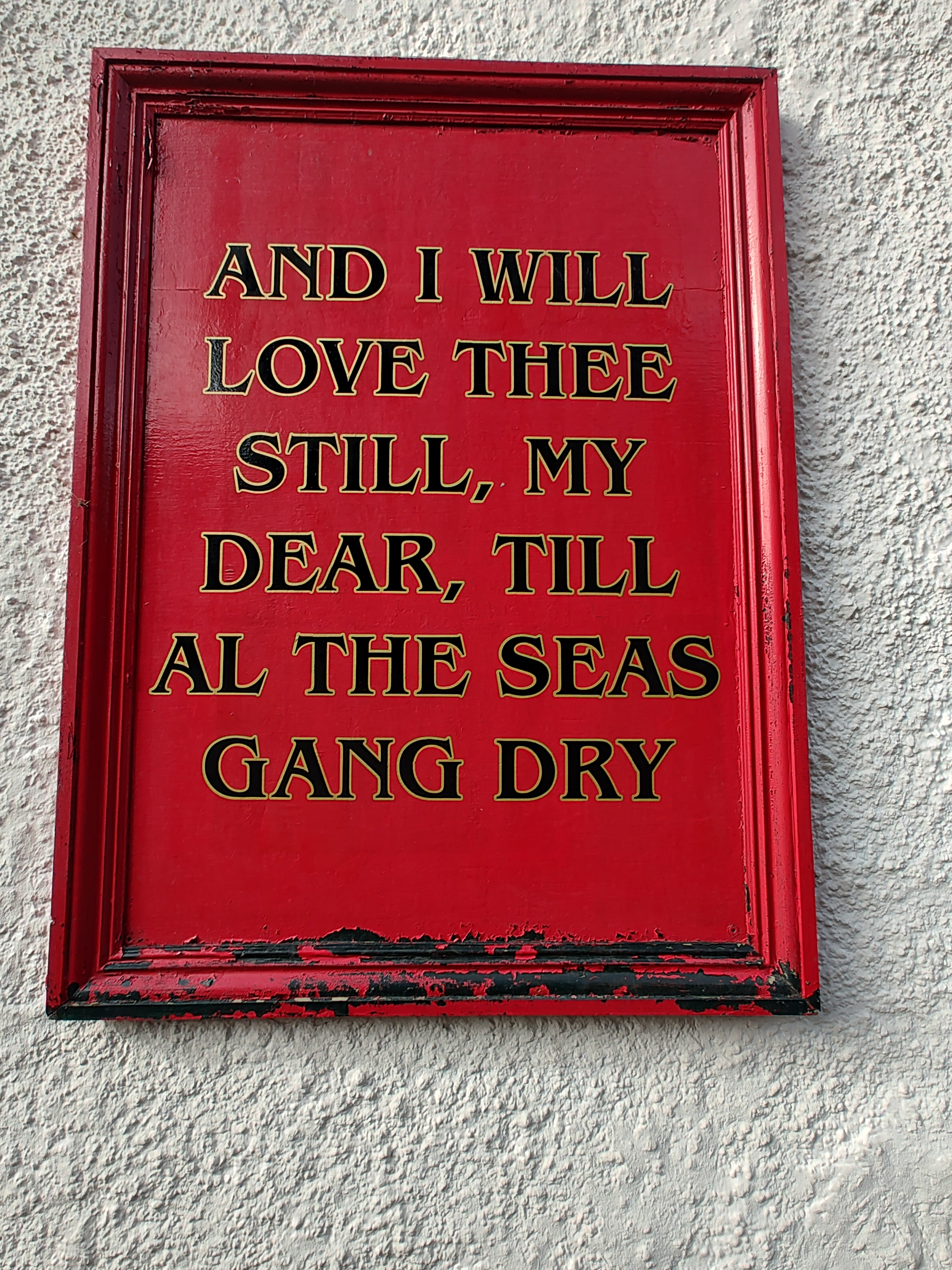 Burns is not buried at his home and visitor center, although there is a cemetery there. He was interred there at one time, but they had to move him. However, there are plaques on the ground of the nearby cemetery where he was once buried which look like gravestones with quotes from Burns on them.
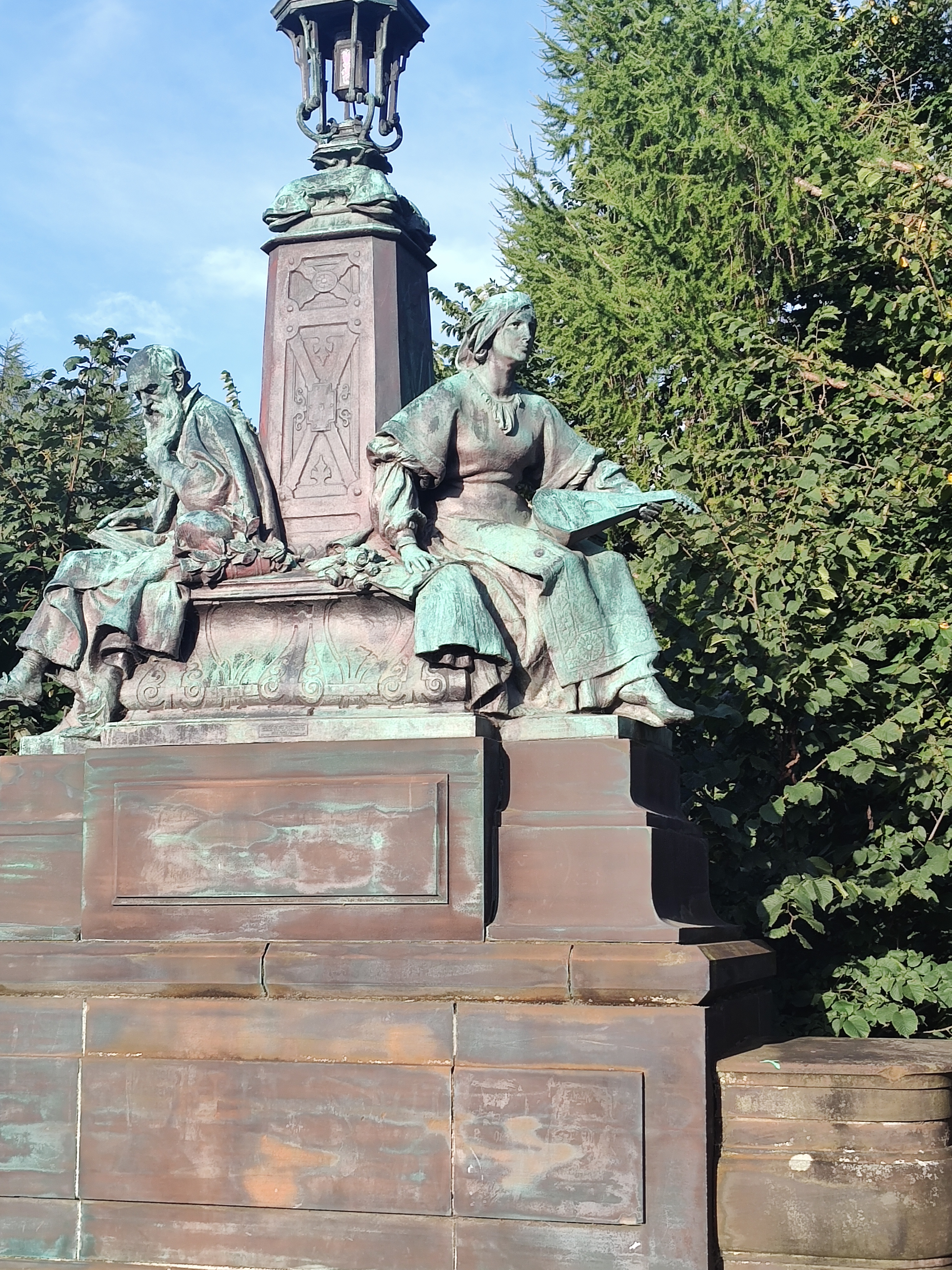 Glasgow, where we visited Burns ‘ home somewhat outside city center, was unexpectedly vibrant. Our wander around the University of Glasgow revealed even more intellectual heritage, being a city steeped in culture and history, with statues of philosophers, writers, and musicians. And of course this is why we travel; to become inspired by great thinkers who have forever changed our lives. Scotland has its share, with one intellectual new to me, Lord Kelvin, nee William Thompson (1824-1907). He was a professor of natural philosophy, a precursor to physics. He wrote approximately 600 papers in his lifetime, and when he retired, he returned to the university to learn what he did not have time to learn when he spent his years writing. What an inspiration! And of course, the abundant statues we saw along with the greenery were equally stimulating to me. On one side of a statue was a man writing, on the other side a women playing a musical instrument.
The Scottish scientist who discovered penicillin, Sir Alexander Flemming said that, “One sometimes finds what one isn’t looking for.” That is true about much of Scotland , and as I discovered in Glasgow, I discovered its extraordinary heritage in literature and the humanities.
Original text and photos by Jann Segal

