“In Latvia, the amber whispers stories of forgotten civilizations.” – Johann Wolfgang von Goethe
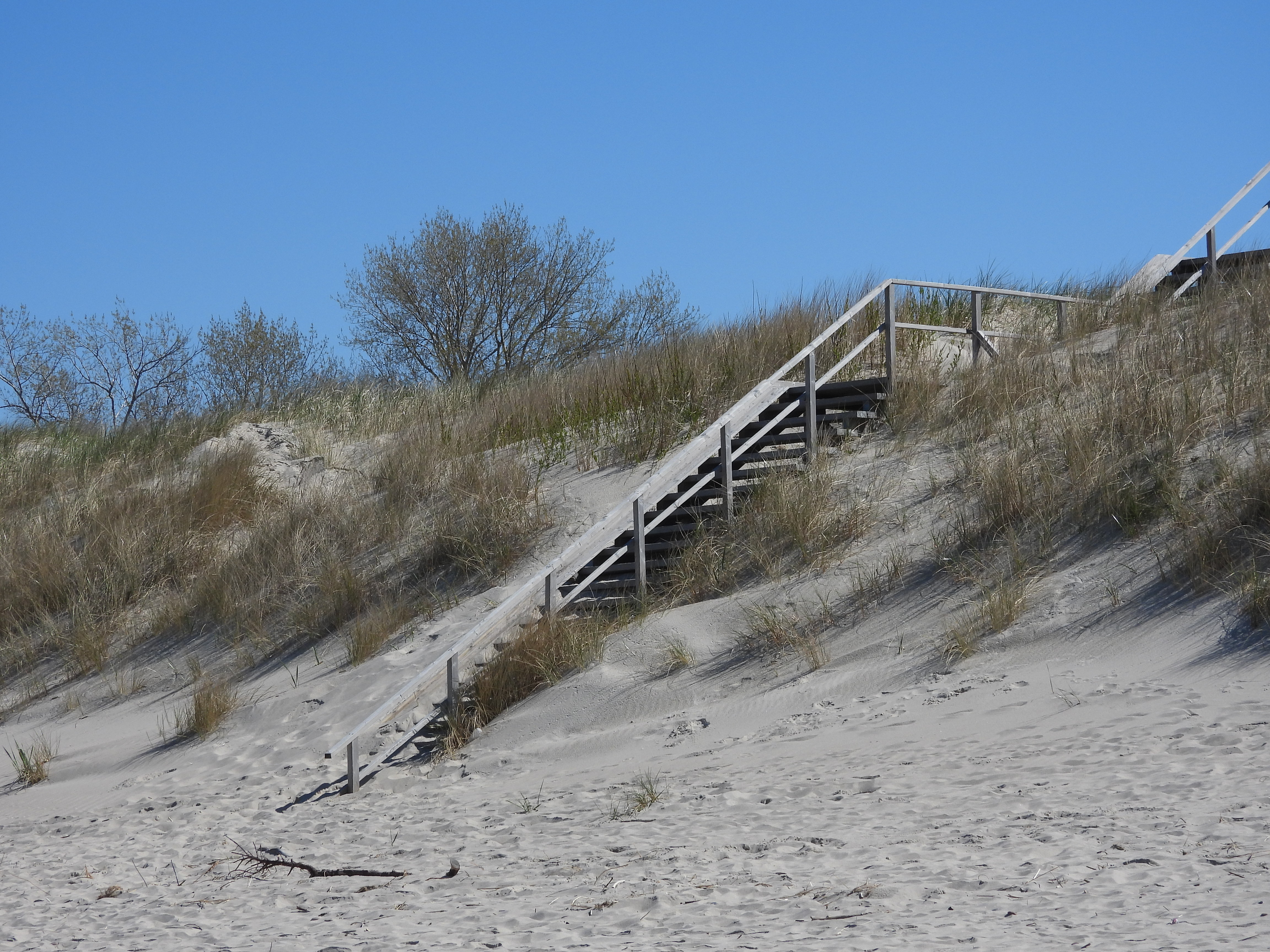 Baltic amber. These were two words I never even knew beringed together until I took the Overseas Adventure Travel trip Baltic Capitals. I own amber jewelry purchased in Eastern Europe, but I had no idea amber was really sap that had solidified, fallen from a tree, had washed ashore after centuries at sea, and were prominent in Latvia. Dead insects can even be found in some amber, as we saw in an amber museum.
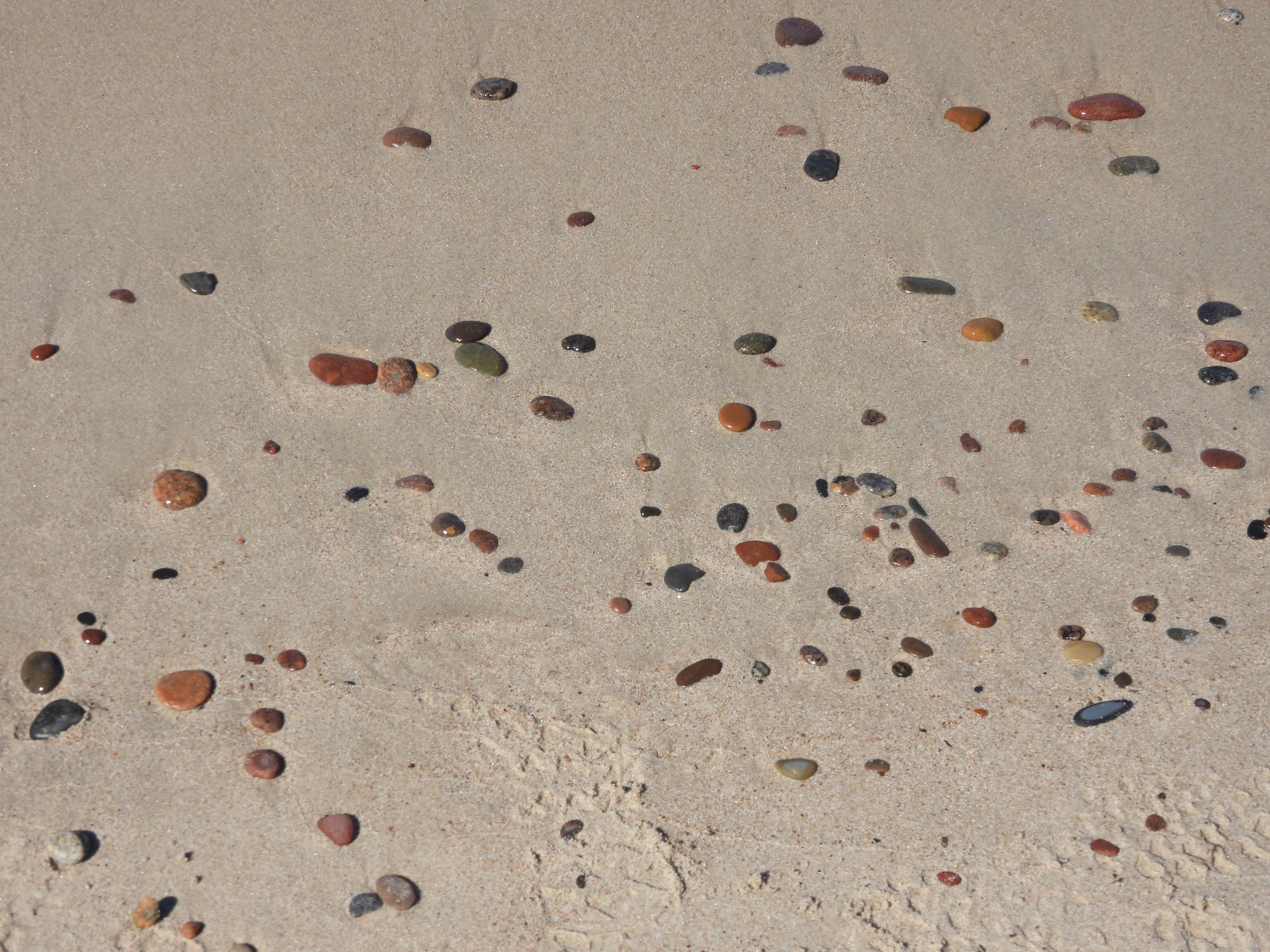 Since amber is a dried resin and not a stone, the clearer the amber, the greater the chances of its authenticity. The same holds true for amber with insects inside. We saw a large variety of spectacular amber in the amber museum, which was a pleasant break from all we had learned about Russian aggression in the region and the deportations of the people to Siberia in the 1940s. It was a relaxing retreat from history as we walked along the Baltic shore in Latvia and tried to find washed up amber. Any pieces of the precious resin would have been tiny, and nobody found any, but it was an educational endeavor, typical for what OAT provides on all their trips.
Baltic amber is typically found in Poland, Latvia, Lithuania, and Russia. It started forming between 44 and 54: million years ago, and while it can be found in other parts of the world, Baltic amber is not only the most abundant but the finest, most enriched and sought after. Older Baltic amber is harder than newer amber that comes from unlikely places like the Dominican Republic or Mexico, where their blue hued amber is mined. Ninety percent of all amber comes from this region.
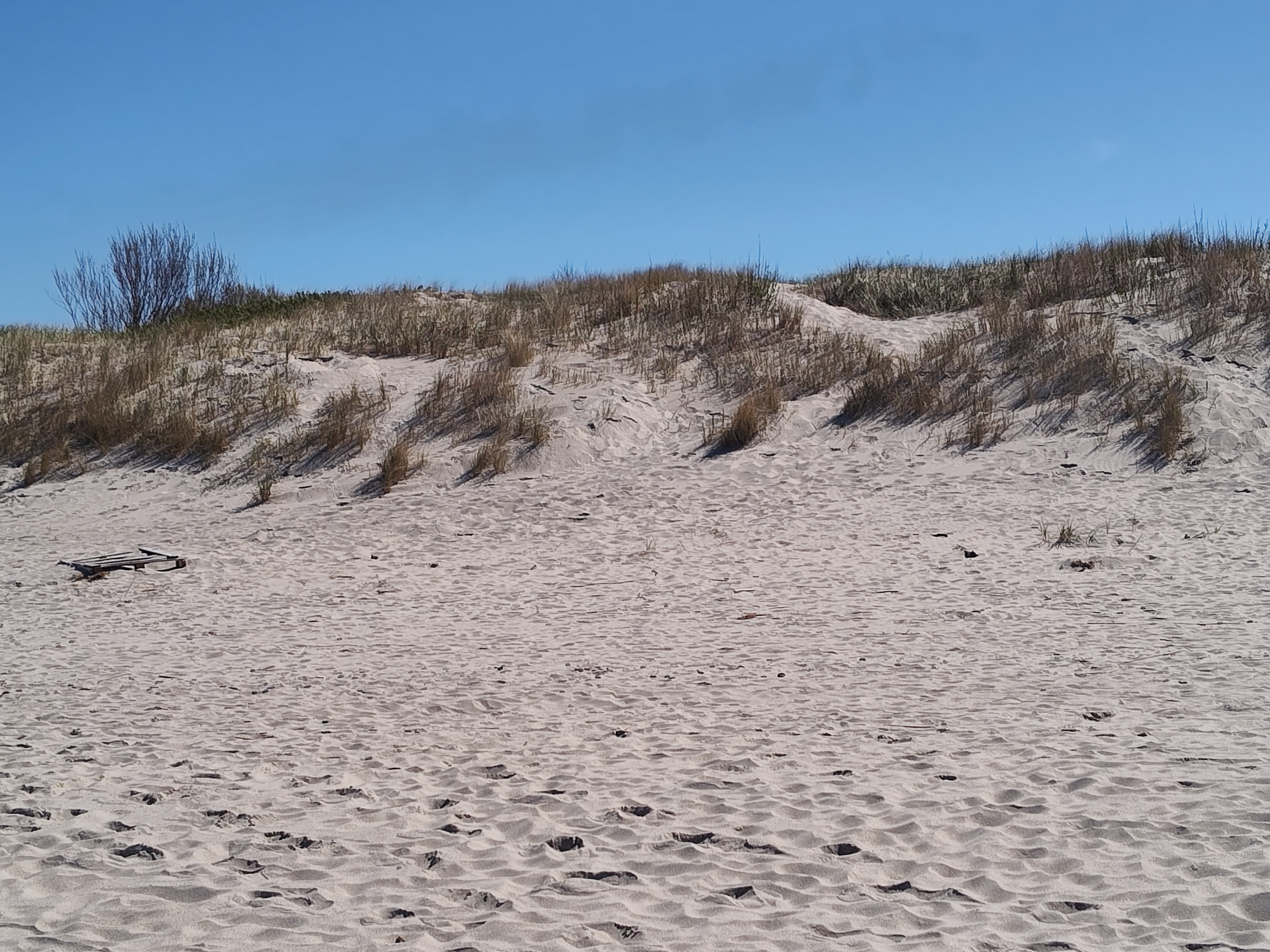 Preserved prehistoric fossils of plants and animals, not just insects, can be found in Baltic amber, and oh, the stories this rich sap could be able to tell as it’s traversed centuries and miles to reach the Baltics. But the wild, grassy dunes of the nearly isolated shoreline felt other worldly to me as I examined what washed up, knowing that the results of millennia of fallen sap would not appear at my feet, but rather stones from the ocean instead, with likely other stories to tell about their journey. But it was fun looking for this ” sun stone,” which really comes in over 256 shades and was used for healing in ancient times, as well as fertility.
Amber was considered more important than gold at one time, and used for trading along the ” Amber Road,” like the Asian Silk Road, In ancient times, Latvia played a big part in the Amber Road trade route which was known as the Dzintarzeme”(Amberland) because of its importance in trading throughout the Baltics and the Mediterranean in the Middle Ages.
Ancient Greeks were also interested in amber when they realized that when rubbed with a cloth, it attracted small pieces of matter they referred to as an “elecktons.” 17th century scientists also experimented with amber, but Benjamin Franklin finally rubbed a metal wire to amber and his experiment showed how early stages of electricity could be produced. We have had electricity ever since.
Today, amber is a national treasure for any country that still finds it awash, and it is a source of national pride, as we experienced in Latvia. The amber museum showed a fascinating movie as we walked from case to case examining the ancient amber in all its forms and colors in between the films segments that explained it all.
 This is truly the richness, beauty, and joy of travel. Look not too far away and you will see Russia. Look down at your feet and it might be a speck of amber from across hundreds of centuries, forgotten by time. Look back into history and you will learn that this over- produced fallen resin was doing nature’s work while Holocaust survivors and Deportation escapees were hiding in the same forest. Look at your computer, cell phone, television set, or light switch, and think of the contribution amber has made in our lives.
All original content and photos by Jann Segal
 Travel the World with Passion